
Summary
Cuba is currently facing another massive failure of its national power grid, leaving millions of people in total darkness. The government has pointed to the United States oil blockade as the primary cause, stating that fuel shipments are being blocked from reaching the island. This energy crisis has forced residents in the capital city of Havana to rely on flashlights and candles to navigate their homes and streets. The situation highlights the ongoing struggle the country faces in maintaining basic services under heavy international pressure.
Main Impact
The immediate impact of this blackout is a total halt to normal life across the island. Without electricity, essential services like water pumping and food refrigeration have stopped working. This creates a major problem for families who cannot keep their food from spoiling in the tropical heat. Hospitals and emergency centers are forced to rely on backup generators, which only have a limited supply of fuel. The lack of power also means that schools and businesses have closed, further hurting an economy that is already in a difficult position.
Key Details
What Happened
The national electrical system collapsed after several of the country's largest power plants stopped working at the same time. These plants are very old and often break down because they do not have the necessary spare parts for repairs. When these major stations go offline, the rest of the grid cannot handle the load, leading to a total shutdown. Government officials say that they simply do not have enough fuel to keep the backup systems running long enough to fix the main plants.
Important Numbers and Facts
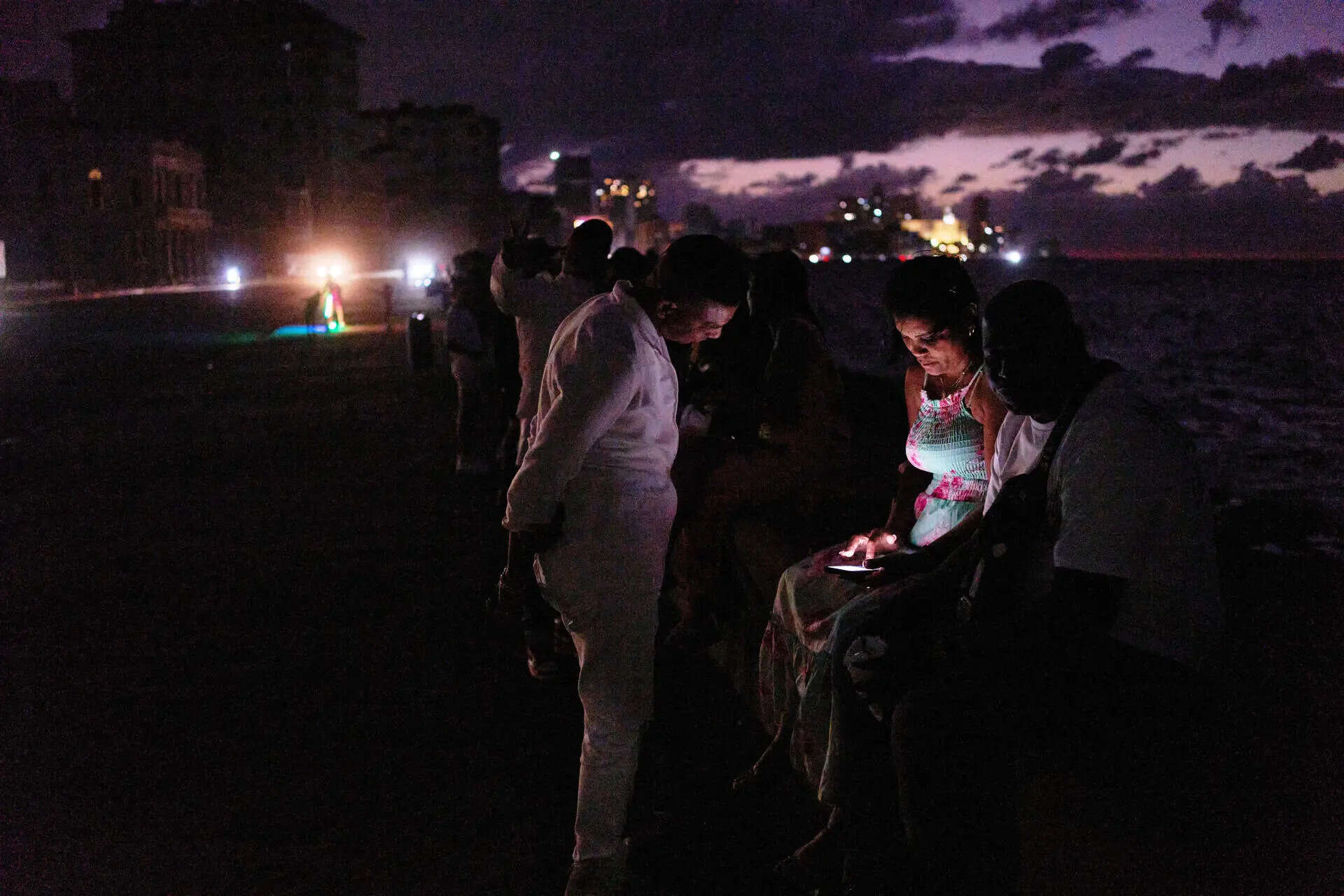
Most of Cuba's power plants are over 40 years old, which is much longer than their intended lifespan. The country requires a steady flow of thousands of barrels of oil every day to generate enough electricity for its population. However, recent reports suggest that fuel imports have dropped significantly over the last few months. In Havana, a city of over two million people, the streets are almost entirely dark at night, with the only light coming from small handheld devices or the occasional passing car.
Background and Context
This is not the first time Cuba has dealt with a nationwide blackout. The country has been struggling with an energy crisis for several years. The Cuban government blames the United States trade embargo, which they call a "blockade." This policy makes it very hard for Cuba to buy oil on the global market. It also prevents the country from buying the modern technology needed to update its aging power stations. While the US says the embargo allows for humanitarian aid, the Cuban government argues that the financial restrictions make it nearly impossible to pay for the fuel and parts they need to keep the lights on.
Public or Industry Reaction
The mood on the streets of Havana is one of deep frustration and exhaustion. Many residents have expressed that they are tired of living in a cycle of constant power cuts. While some people have small portable generators, the high cost of fuel makes them difficult to use for long periods. International observers have noted that these frequent blackouts could lead to more social unrest if the government cannot find a way to stabilize the grid. Meanwhile, energy experts warn that without a massive investment in new infrastructure, the system will continue to fail regardless of how much fuel is available.
What This Means Going Forward
In the coming days, workers will try to restart the power plants one by one to bring the grid back online. However, this is a slow and risky process. If the demand for power is too high when a plant starts up, it can cause the system to crash again. In the long term, Cuba is trying to move toward renewable energy like solar and wind power to reduce its dependence on imported oil. But these projects require a lot of money and time that the country currently does not have. For now, the people of Cuba must prepare for more nights in the dark.
Final Take
The recurring blackouts in Cuba are a clear sign of a system under extreme stress. The combination of old machinery and a lack of fuel has created a situation where even a small problem can lead to a national emergency. As long as the trade restrictions remain and the infrastructure continues to age, the basic comfort of having electricity will remain a luxury for many Cubans. The path to a stable power supply remains long and difficult.
Frequently Asked Questions
Why is Cuba experiencing so many blackouts?
The blackouts are caused by a combination of very old power plants that break down easily and a severe shortage of fuel needed to run them.
How does the US blockade affect Cuba's electricity?
The blockade makes it difficult for Cuba to buy oil from other countries and prevents them from purchasing the parts needed to repair and modernize their power grid.
What are people in Havana doing for light?
Most people are using battery-powered flashlights, candles, and their mobile phones to see in the dark during the long hours without electricity.

