
Summary
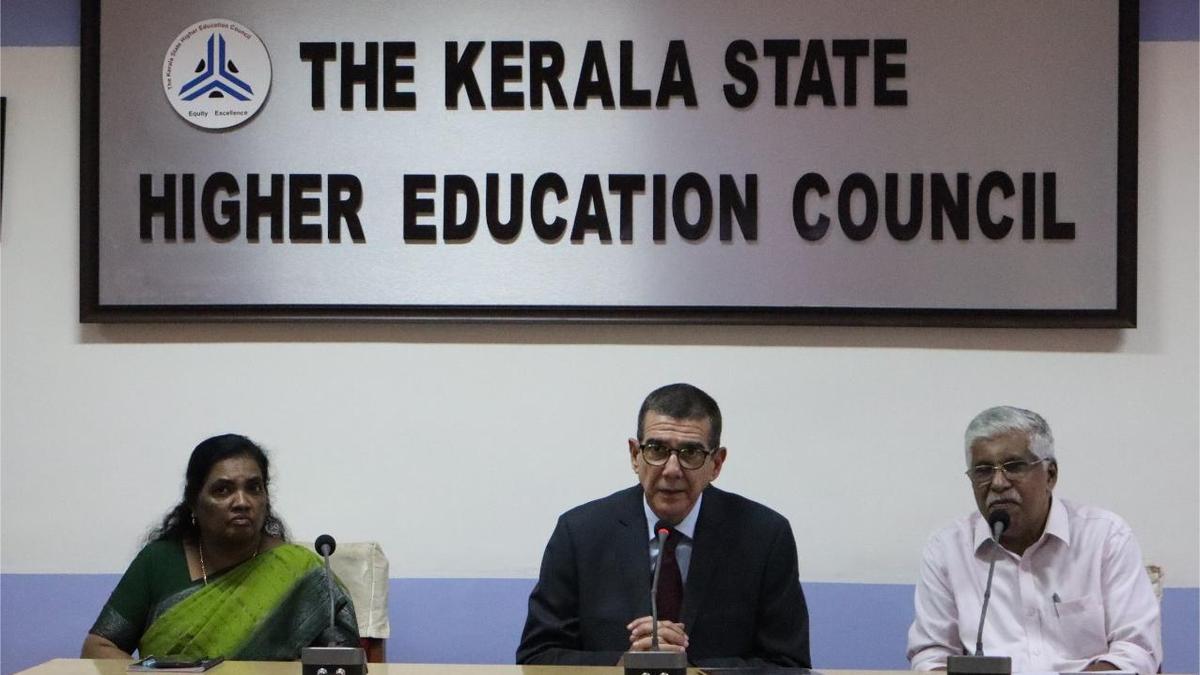
The Kerala State Higher Education Council (KSHEC) recently organized a special lecture focusing on Cuba’s achievements in science, innovation, and global cooperation. A senior Cuban diplomat shared insights into how the island nation has built a strong scientific foundation despite facing many external challenges. The event highlighted the growing relationship between Cuba and Kerala, two regions that share a strong commitment to social welfare and education. The primary goal of the discussion was to find new ways for universities and research centers in both places to work together on future projects.
Main Impact
This event marks a significant step in strengthening the academic and scientific bond between Kerala and Cuba. By sharing their experiences, both regions can find common ground in solving modern problems through research. The most immediate impact is the push for formal partnerships between higher education institutions. This could lead to student exchange programs, joint medical research, and shared agricultural techniques. For Kerala, learning from Cuba’s success in biotechnology and healthcare offers a way to improve its own public systems using affordable and innovative methods.
Key Details
What Happened
During the lecture, the Cuban diplomat explained how his country uses a "Science and Innovation-based Government Management System." This approach ensures that scientific research is not just kept in labs but is used to solve everyday problems faced by the public. The talk focused on how Cuba managed to develop its own vaccines and medical treatments even when it could not easily trade with other countries. The diplomat also spent time talking about the historical and cultural similarities between Cuba and Kerala, noting that both populations value high-quality education and healthcare as basic rights.
Important Numbers and Facts
Cuba is well-known for having one of the highest numbers of doctors per person in the world. During the global health crisis a few years ago, Cuba was one of the few developing nations to create multiple home-grown vaccines. On the other side, Kerala leads India in literacy rates and health outcomes, making the two regions natural partners. The lecture emphasized that international cooperation is the best way to handle global issues like climate change and new diseases. The diplomat urged Kerala’s academic leaders to move beyond talk and start signing agreements that allow scientists and students to travel between the two locations for study and work.
Background and Context
The relationship between Cuba and Kerala is not new. For decades, leaders and thinkers from both places have admired each other’s focus on social growth. Cuba has faced a long-standing economic trade block, which forced the country to become self-reliant in many areas, especially in medicine and farming. Kerala, while part of a much larger country, has followed a similar path by investing heavily in its people rather than just focusing on industrial growth. This shared philosophy makes it easier for them to collaborate. In recent years, there has been a renewed interest in "South-South cooperation," which is when developing regions help each other instead of relying only on wealthy Western nations.
Public or Industry Reaction
The academic community in Kerala has welcomed this initiative with great interest. Professors and researchers at the event noted that Cuba’s model of "socialist innovation" is very relevant to Kerala’s current needs. Many educators believe that Kerala’s universities can benefit from Cuba’s expertise in organic farming and disaster management. There is also a strong interest from the medical community, as Cuba’s biotech industry is famous for creating unique treatments for diseases like diabetes and lung cancer. Industry experts suggest that these partnerships could lead to new startups in Kerala that focus on affordable technology and medicine.
What This Means Going Forward
Looking ahead, the next steps will likely involve official meetings between university officials from both sides. We can expect to see memorandums of understanding (MoUs) being signed in the coming months. These documents will lay out the rules for how research will be shared and how students can apply for exchange programs. There is also a possibility of joint ventures in the pharmaceutical sector. However, there are challenges to consider, such as the long distance between the two regions and the need for steady funding to support these international programs. If these hurdles are cleared, the partnership could serve as a global example of how two different regions can work together for the common good.
Final Take
The lecture hosted by KSHEC is more than just a formal meeting; it is a call to action for scientists and educators. By looking toward Cuba, Kerala is expanding its horizons and seeking partners who share its core values. This collaboration has the potential to bring real benefits to the people of both regions through better medicine, smarter farming, and higher standards of education. It proves that when knowledge is shared across borders, everyone wins.
Frequently Asked Questions
Why is Cuba a good partner for Kerala in science?
Cuba has a very advanced biotechnology and healthcare sector. Since both Kerala and Cuba focus on public welfare and have similar social goals, they can easily share research that helps people without costing too much money.
What specific areas will the two regions work on?
The main areas of interest include medical research, vaccine development, organic agriculture, and higher education. There is also interest in sports science, as Cuba has a very strong history of training world-class athletes.
How will students benefit from this collaboration?
Students may soon have the chance to participate in exchange programs. This would allow them to study in Cuba, learn new research methods, and bring that knowledge back to Kerala to help improve local industries and services.



