
Summary
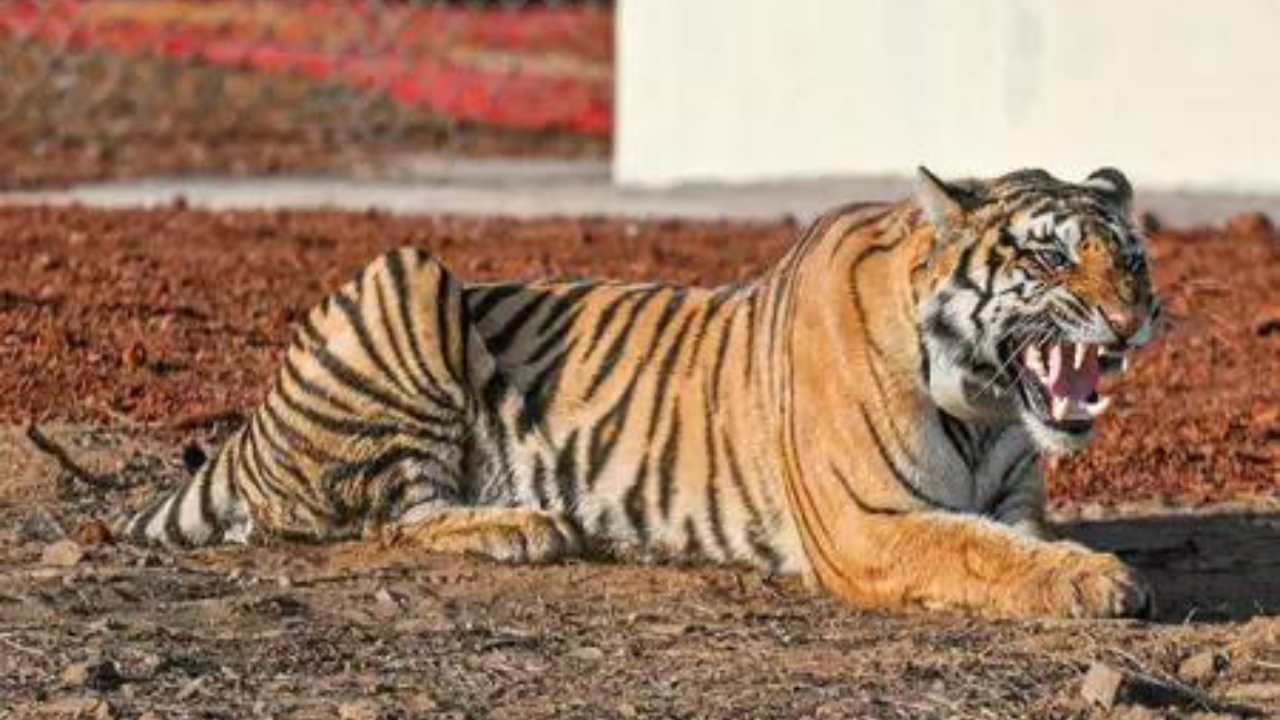
Madhya Pradesh has seen a worrying rise in tiger deaths this year, with two more animals found dead recently. A young tiger cub was discovered in the Kanha Tiger Reserve, and an adult tiger was found in the Balaghat district. These latest losses bring the total number of tiger deaths in the state to 23 for the current year. Officials are looking into the causes, with early signs suggesting that the cub may have died from a lack of food.
Main Impact
The death of these two tigers is a significant setback for wildlife conservation in India. Madhya Pradesh is known as the "Tiger State" because it holds the largest population of these big cats in the country. Losing 23 tigers in such a short time creates a lot of pressure on forest officials and government leaders. It shows that even in protected areas like Kanha, tigers face serious risks that can lead to a quick drop in their numbers.
Key Details
What Happened
Forest department workers found the body of a tiger cub within the boundaries of the Kanha Tiger Reserve. This cub was not alone in its struggle; its sibling had also died a short time ago. Experts believe the cub likely died of starvation, which often happens if a mother tiger is unable to hunt or if the cubs are separated from her. In a different location, an adult tiger was found dead in the Balaghat area. While the cause of death for the adult tiger is still being checked, any loss of a breeding-age tiger is considered a major blow to the local population.
Important Numbers and Facts
The state of Madhya Pradesh currently leads India in tiger numbers, with over 700 tigers recorded in the last official count. However, the loss of 23 tigers since the start of the year is a high figure that has caught the attention of national wildlife groups. Kanha Tiger Reserve, where the cub was found, is one of the most famous and well-guarded parks in the world, making these deaths even more concerning for those who manage the park.
Background and Context
Madhya Pradesh has worked hard for decades to grow its tiger population. Tigers are an "umbrella species," which means that by protecting them, we also protect the forests, water sources, and many other animals that live in the same area. The state often competes with Karnataka for the title of having the most tigers in India. This competition has led to better forest management, but it also means there is more scrutiny when things go wrong.
Tiger cubs are very vulnerable during their first two years of life. They depend entirely on their mothers for food and protection. If a mother tiger gets injured, dies, or is driven away by a stronger tiger, the cubs rarely survive on their own. Starvation is a common natural cause of death for young cubs, but it still signals a need to check if the mother is safe and if there is enough prey in the area for the tigers to eat.
Public or Industry Reaction
Wildlife experts and nature lovers have expressed deep concern over the rising death toll. Many are calling for the forest department to improve how they monitor tiger families, especially those with young cubs. Some experts suggest that if a cub is found to be starving because its mother is missing, the forest department should step in sooner to provide care or move the cub to a safe facility. There is also a call for more transparency in how these deaths are reported to the public to ensure that poaching or human interference is not being hidden.
What This Means Going Forward
The high number of deaths will likely lead to a review of safety measures across all tiger reserves in Madhya Pradesh. Forest guards may need to increase their patrols to prevent illegal hunting and to keep a closer eye on the health of the animals. There is also a need to study the movement of tigers between different forest areas. As tiger numbers grow, they often move out of protected parks and into areas where humans live, which can lead to fights between tigers or accidents with people.
The National Tiger Conservation Authority (NTCA) will likely work with state officials to find out if these 23 deaths are part of a natural cycle or if there is a bigger problem, such as a disease or a lack of space. Ensuring that tigers have enough room to live and enough animals to hunt will be the main focus for the coming months.
Final Take
While Madhya Pradesh remains a leader in tiger conservation, the loss of 23 tigers this year serves as a sharp reminder that these animals remain at risk. Protecting the "Tiger State" title requires constant work and a focus on the survival of every cub. The focus must now shift to better monitoring and ensuring that the habitats remain healthy enough to support a growing population of India's national animal.
Frequently Asked Questions
Why is Madhya Pradesh called the Tiger State?
Madhya Pradesh earned this name because it has the highest number of tigers in India, according to the national census. It is home to several famous tiger reserves like Kanha, Bandhavgarh, and Pench.
What causes tiger cubs to die of starvation?
Cubs usually starve if they lose their mother or if the mother cannot find enough food to feed them. Without a mother to hunt for them and protect them from other predators, young cubs cannot survive in the wild.
Is 23 tiger deaths a high number for one year?
Yes, 23 deaths in the first few months of the year is considered high. While some deaths are natural, such a large number in a short time usually leads to investigations by wildlife authorities to ensure there are no hidden threats like poaching.



