
Summary
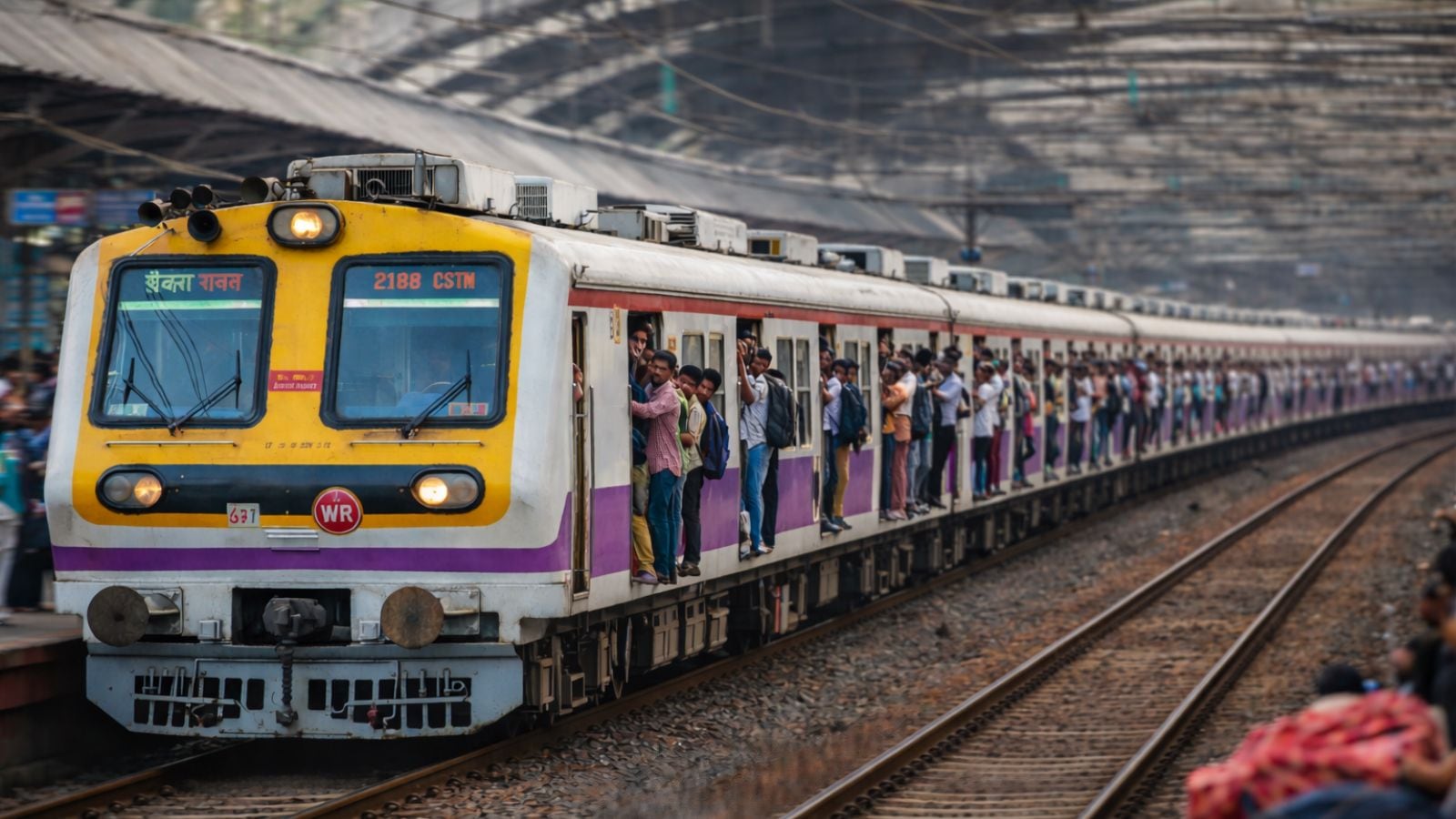
A preliminary investigation into a recent railway incident at Mumbai’s Chhatrapati Shivaji Maharaj Terminus (CSMT) has identified human error as the main cause. Two trains were accidentally directed onto the same track, creating a high-risk situation that could have led to a serious accident. While a collision was avoided, the report highlights a major breakdown in safety protocols at one of the busiest railway stations in India. This finding has prompted immediate calls for better staff training and stricter monitoring of signaling operations.
Main Impact
The primary impact of this report is the shift in focus toward the people who manage train movements. It shows that even with advanced technology in place, a single mistake by a staff member can put hundreds of lives at risk. This incident has shaken the confidence of daily commuters who rely on the railway system. It also puts pressure on railway authorities to explain why existing safety layers failed to catch the mistake before the trains were moved onto the same line. The findings will likely lead to changes in how signal operators are supervised during their shifts.
Key Details
What Happened
The incident occurred when two trains were given permission to move onto the same stretch of track at the same time. In a standard railway operation, the signaling system is designed to prevent this. However, the preliminary report suggests that the staff responsible for setting the "points"—the movable parts of the track that guide a train—made a manual error. This mistake bypassed the safety logic that usually keeps trains separated. Fortunately, the drivers noticed the error or were alerted in time to stop the trains before they got too close to each other.
Important Numbers and Facts
The report focuses on the actions of the signaling and telecommunications department. CSMT handles more than 1,000 train movements every day, making it one of the most complex environments for track management. The error happened during a period of routine operations, which suggests that it was not caused by an emergency or unusual weather. Investigators looked at the data logs from the signaling system, which showed that the manual override was used incorrectly. No injuries were reported, and train services were only briefly delayed while the tracks were cleared and the systems were checked.
Background and Context
To understand why this is so serious, it is helpful to know how trains are guided. At a large station like CSMT, there are many tracks that cross each other. A central control room uses a system called "interlocking." This system is like a giant puzzle where a signal cannot turn green unless the tracks are safely locked in the right position. If one train is already on a track, the system should automatically block any other train from entering that same space. In this case, the human operators who manage these signals failed to follow the correct steps, leading to a "near-miss" event. CSMT is a vital hub for both local and long-distance trains, so any error here has a massive ripple effect across the entire city's transport network.
Public or Industry Reaction
The reaction from the public has been one of concern and frustration. Many people who travel by train every day feel that safety should be automated to the point where human error cannot cause such a dangerous situation. Railway unions and safety experts have also weighed in. Some experts argue that the staff may be overworked or under too much pressure to keep trains running on time, which can lead to lapses in judgment. On the other hand, railway officials have stated that they have a "zero tolerance" policy for safety violations and that those responsible will face strict disciplinary action once the final report is finished.
What This Means Going Forward
Moving forward, the railway department is expected to increase the frequency of safety drills for all signaling staff. There is also talk of upgrading the software used in the control rooms to make it even harder for a person to manually override safety features. The staff involved in this specific incident have been taken off duty while the full investigation continues. In the coming months, passengers may see more safety checks and perhaps slower train movements near major junctions as the authorities prioritize safety over speed. The goal is to ensure that the "fail-safe" systems actually live up to their name.
Final Take
This incident is a clear reminder that technology is only as good as the people who run it. While the railway system has many tools to keep passengers safe, human oversight remains the most important link in the chain. Authorities must now work hard to fix the gaps in training and supervision to make sure a mistake like this does not happen again. Safety on the tracks is not just about fast trains; it is about making sure every journey ends safely for everyone on board.
Frequently Asked Questions
How did the two trains end up on the same track?
A preliminary report found that a staff member made a mistake while setting the signals and track points. This human error allowed two trains to be routed toward each other at the same time.
Was anyone hurt during the incident at CSMT?
No, there were no injuries. The error was caught in time, and the trains were stopped before a collision could occur. There was only a minor delay in train services.
What is being done to prevent this from happening again?
Railway authorities are investigating the staff involved and reviewing safety protocols. They plan to improve training for signal operators and may update the signaling technology to prevent manual errors.



