Summary
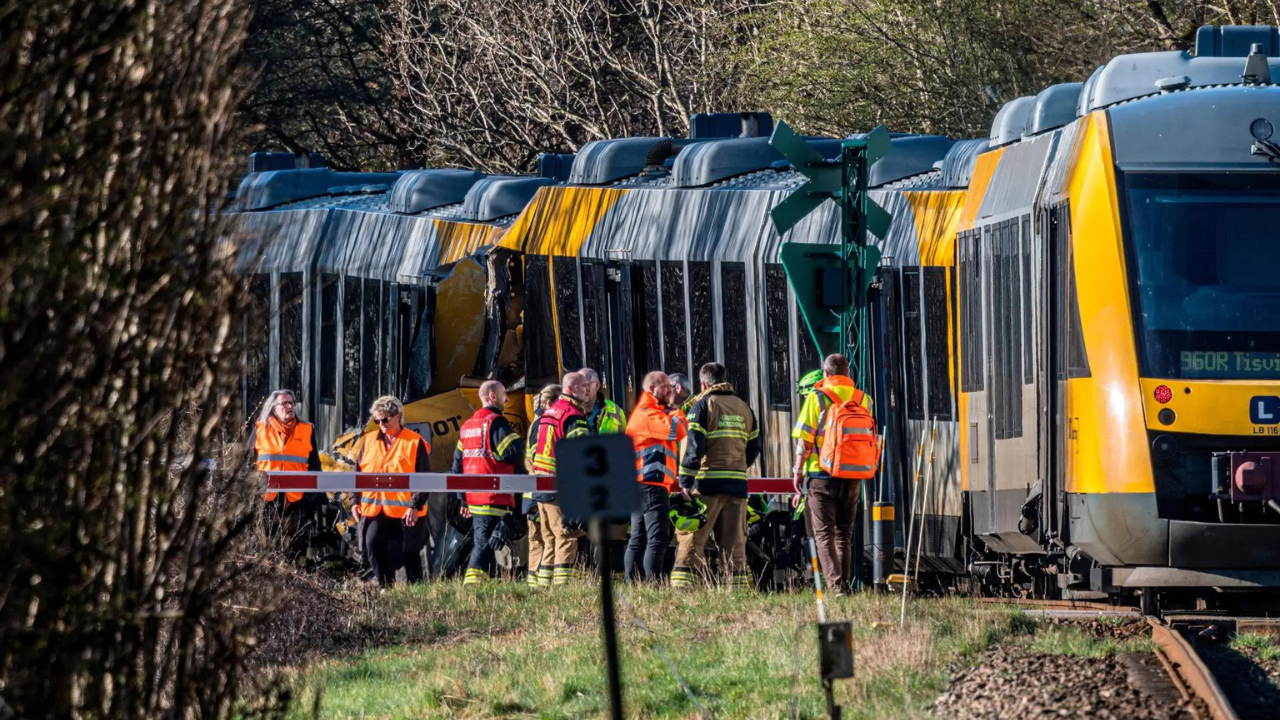
A serious train accident occurred near Copenhagen, Denmark, on Thursday when two local trains collided head-on. The crash resulted in several injuries among the passengers and triggered a massive response from emergency services. Fortunately, rescue teams confirmed that every person on board was safely removed from the wreckage, and no one remained trapped inside the trains. Officials have launched a full investigation to determine how two trains ended up on the same track at the same time.
Main Impact
The collision has caused significant disruption to the local transport network around the Danish capital. Beyond the physical injuries to passengers, the event has shaken public confidence in the safety of the regional rail system. Emergency crews, including police, paramedics, and fire departments, arrived quickly to manage the scene and provide medical care. The immediate focus was on treating the injured and ensuring the area was safe, but the long-term impact will likely involve a deep review of rail safety protocols and signaling technology in the region.
Key Details
What Happened
On Thursday, two local passenger trains were traveling on the same stretch of track near Copenhagen. Instead of passing each other safely, the trains hit each other from opposite directions. The force of the impact caused damage to the front of both trains and led to immediate calls for help from those on board. Emergency workers arrived within minutes to begin the evacuation process. They worked carefully to help people out of the damaged carriages and checked every part of the trains to make sure no one was left behind.
Important Numbers and Facts
The accident took place on April 23, 2026. While the exact number of injured people has not been finalized, authorities confirmed that "several" individuals required medical attention. Most of the injuries were reported as non-life-threatening, though the shock of the event affected many more. The rescue operation involved dozens of emergency vehicles and specialized teams trained for rail accidents. All passengers were accounted for shortly after the crash, which is a positive outcome given the potential severity of head-on collisions.
Background and Context
Denmark is known for having a very safe and reliable train system. Millions of people use these local trains every year to get to work, school, and home. Because the system is so modern, head-on collisions are extremely rare. Usually, advanced computer systems and signals prevent two trains from being in the same place at once. When an accident like this happens, it often points to either a major technical failure or a serious human error. Understanding what went wrong is vital because the Copenhagen rail network is the backbone of the city's daily movement.
Public or Industry Reaction
The reaction from the public has been one of shock and concern. Many regular commuters expressed fear about using the lines until more information is released. Rail officials and government leaders have promised a transparent investigation. The Danish Accident Investigation Board is now leading the effort to look at the data from the trains. They will examine the "black boxes" or data recorders from both locomotives. Experts in the rail industry are also looking at whether recent maintenance work or software updates could have played a role in the signaling failure.
What This Means Going Forward
In the coming days, the focus will shift from the rescue to the repair of the tracks and the removal of the damaged trains. Commuters should expect delays and cancellations as investigators work on the site. This accident will likely lead to a nationwide check of all similar rail lines to ensure that the signaling systems are working correctly. If a technical bug is found, the rail company will need to update its software across the entire fleet. For the passengers involved, support services are being offered to help them deal with the trauma of the accident.
Final Take
While the accident near Copenhagen was a frightening event, the quick response of the emergency teams prevented a much worse tragedy. The fact that everyone was evacuated safely is a testament to the training of the rescue workers. However, the rail industry must now provide clear answers to ensure that such a dangerous mistake never happens again. Safety must always come before speed or convenience in public transport.
Frequently Asked Questions
Were there any deaths in the Denmark train crash?
As of the latest reports, there have been no deaths confirmed. Several people were injured and taken for medical treatment, but all passengers were safely evacuated from the trains.
What caused the two trains to collide?
The exact cause is still being investigated. Experts are looking into whether the crash was caused by a technical failure in the signaling system or a human mistake by the train operators.
Is the train service in Copenhagen still running?
Some parts of the rail network near the crash site are closed or facing heavy delays. Passengers are advised to check local travel updates for alternative routes while the investigation and cleanup continue.