
Summary
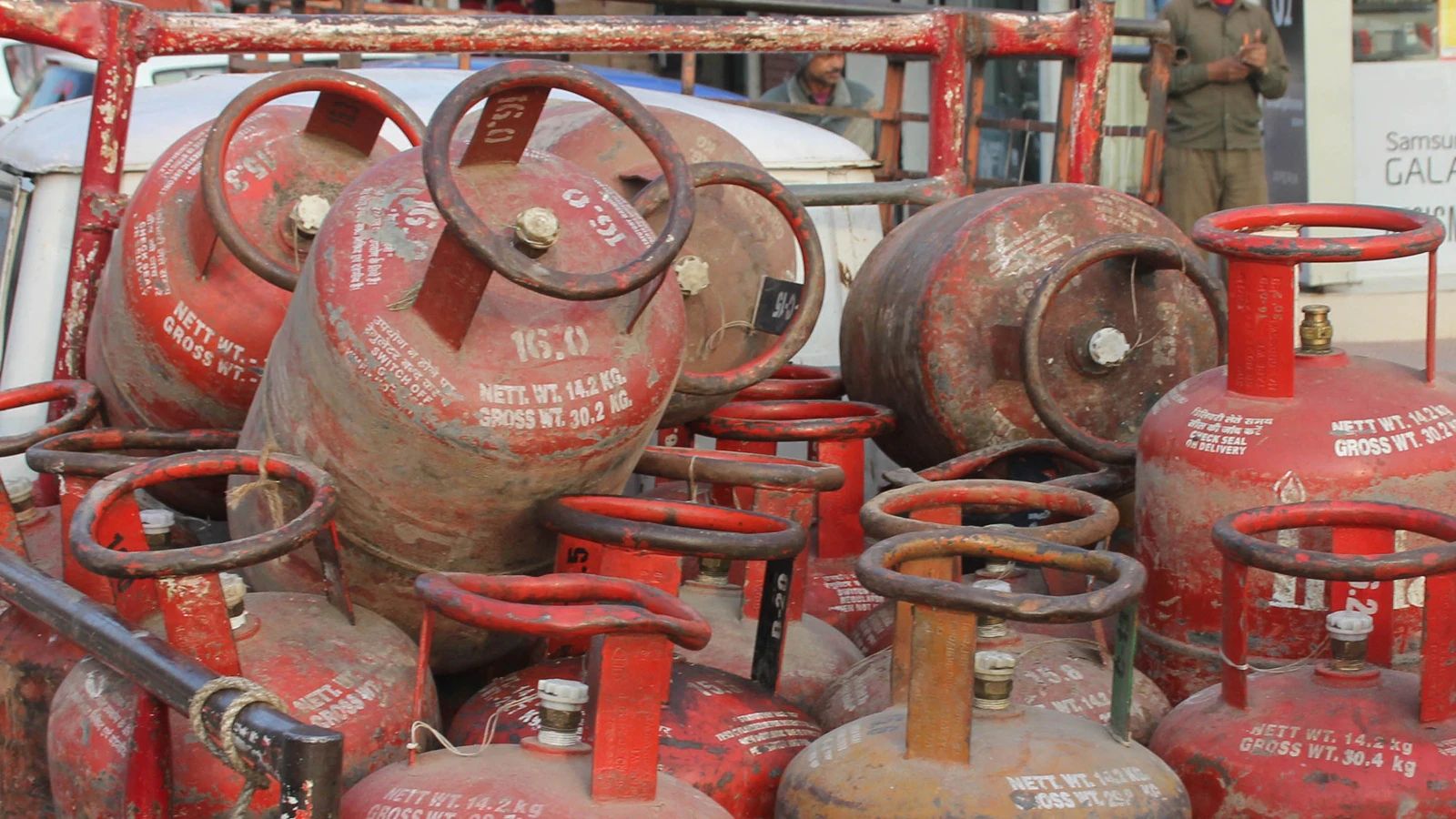
The rising cost of cooking gas is putting a heavy strain on many households today. As prices for LPG cylinders continue to climb, families are looking for ways to manage their budgets without giving up hot meals. This guide explains why the crisis is happening and offers practical, easy steps to help you use less gas. By making small changes in the kitchen, you can save money and make your fuel last much longer.
Main Impact
The current LPG crisis is more than just a small price hike; it is a major change that affects how people live every day. For many families, the cost of cooking gas is a large part of their monthly spending. When these prices go up, there is less money left for other important things like fresh food, medicine, or school fees. This situation has forced many people to rethink their daily habits and find new ways to be efficient in the kitchen.
Key Details
What Happened
In recent months, the price of Liquefied Petroleum Gas, or LPG, has reached record highs in many parts of the world. This happened because of a mix of global events. Problems with shipping, higher costs for crude oil, and changes in international trade have all played a part. Because most countries rely on global markets for their gas supply, any trouble far away quickly shows up as a higher bill for the local consumer.
Important Numbers and Facts
Reports show that the price of a standard cooking gas cylinder has increased by nearly 30% in some areas over the last year. In the past, a typical family might have used one cylinder every four weeks. Now, many are trying to stretch that same amount of gas to last six weeks or more. Experts say that simple mistakes in the kitchen, like using the wrong size pot or leaving a flame too high, can waste up to 20% of your fuel. Fixing these small habits can lead to big savings over a full year.
Background and Context
LPG is the most common fuel used for cooking because it is clean and works very fast. Before LPG became popular, many people used wood or coal, which created a lot of smoke and was bad for their health. Today, millions of homes depend on gas cylinders delivered to their doors. However, because LPG is a byproduct of oil and gas production, its price is never stable. When there is a war or a big storm in an oil-producing region, the price of your cooking gas usually goes up a few weeks later. This makes it a very sensitive topic for everyone who cooks at home.
Public or Industry Reaction
The reaction from the public has been one of worry and frustration. On social media and in local communities, people are talking about how hard it is to keep up with the costs. Some people are moving away from gas entirely and buying electric induction stoves. While these stoves cost money upfront, they can be cheaper to run if electricity prices are low. Restaurant owners are also feeling the pinch. Since they use a lot of gas, they are being forced to raise the prices of their meals, which makes eating out more expensive for everyone.
What This Means Going Forward
It does not look like gas prices will return to their old, low levels anytime soon. This means that "cooking smart" is not just a temporary fix; it is a new way of living. In the future, we may see more people using solar cookers or highly efficient electric appliances. For now, the best thing you can do is maintain your equipment. Checking for leaks in the rubber tubes and cleaning the brass burners on your stove can make the flame burn hotter and cleaner. This ensures that every bit of gas you pay for is actually used to cook your food.
Final Take
While the LPG crisis is a difficult challenge, it is something that can be managed with the right information. You do not need to be scared of your gas bill if you know how to control your usage. By being mindful of how you cook and taking care of your stove, you can protect your family's budget. Staying informed and staying efficient are the best tools you have to beat the rising costs of energy.
Frequently Asked Questions
How can I make my LPG cylinder last longer?
You can make your gas last longer by always using a lid on your pots to trap heat. Also, make sure to soak grains like beans or lentils before cooking them so they soften faster. Always use the small burner when possible and keep the flame from licking the sides of the pot.
Is it safe to use a gas cylinder if I smell something strange?
No, if you smell something like rotten eggs, it could be a gas leak. You should immediately turn off the regulator, open all the windows for fresh air, and do not turn on any electric switches. Call your gas provider right away to have it checked by a professional.
Does the color of the flame matter?
Yes, the color of the flame is very important. A healthy flame should be bright blue. If the flame is yellow or orange, it means the gas is not burning properly, which wastes fuel and can create soot on your pans. This usually means your burner needs to be cleaned.



