
Summary
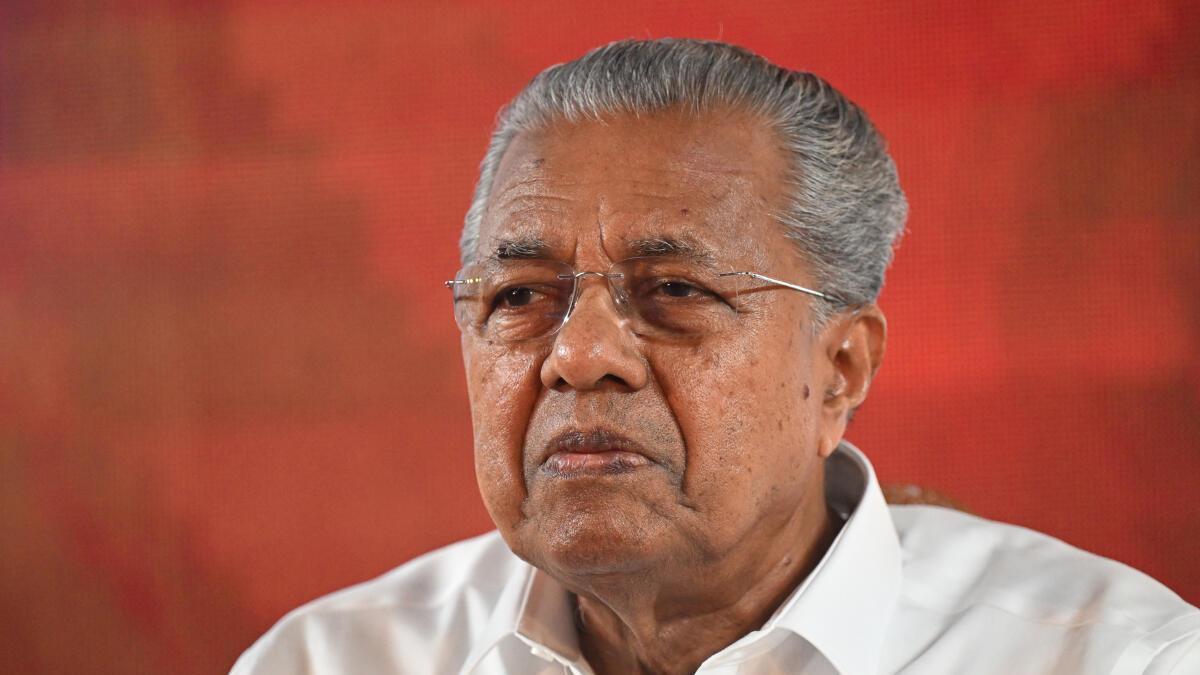
Kerala Chief Minister Pinarayi Vijayan has publicly blamed both the Congress and the BJP for the high cost of cooking gas in India. He claims that past and present central governments failed to protect the interests of the Indian people by rejecting a major gas pipeline project from Iran. According to the Chief Minister, these decisions were made to please the United States rather than to provide cheap energy to Indian households. This political move, he argues, is the main reason why families are struggling with expensive fuel prices today.
Main Impact
The primary impact of these statements is a renewed debate over India’s energy security and its foreign policy. By linking the high price of LPG cylinders to decisions made nearly two decades ago, Vijayan is shifting the blame for inflation from global market trends to domestic political choices. This highlights a long-standing tension between India's need for cheap fuel and its diplomatic relationships with Western powers. For the average citizen, this discussion brings attention to why energy costs remain high despite India's potential to access cheaper resources from neighboring regions.
Key Details
What Happened
During a recent address, Chief Minister Pinarayi Vijayan pointed out that India had a chance to secure a steady and affordable supply of natural gas through a pipeline from Iran. He stated that the Congress-led UPA government first backed away from the deal in 2006. Later, the BJP-led government continued this trend. Vijayan used strong language, saying these governments "gave in" to pressure from the United States. He argued that if the pipeline had been built, the current crisis regarding cooking gas prices could have been avoided entirely.
Important Numbers and Facts
The project in question is the Iran-Pakistan-India (IPI) gas pipeline, often called the "Peace Pipeline." It was designed to transport natural gas from Iran’s South Pars field to India. The project was estimated to cost billions of dollars and would have provided a massive amount of clean energy. However, the deal faced many hurdles. In 2006, India began to distance itself from the project around the same time it was negotiating a civil nuclear deal with the United States. Since then, the price of a domestic LPG cylinder has risen significantly, often crossing the 1,000-rupee mark in various parts of the country, causing financial stress for millions of families.
Background and Context
India is one of the world's largest consumers of energy and relies heavily on imports to meet its needs. Cooking gas, or LPG, is a basic necessity for almost every household. When global oil prices go up, the cost of living for Indian families also rises. Iran has some of the largest natural gas reserves in the world and is located relatively close to India. A pipeline would be much cheaper than transporting gas via ships. However, the United States has long placed sanctions on Iran, making it difficult for other countries to do business with them. Vijayan’s argument is that India should have put its own economic needs above the diplomatic preferences of the United States.
Public or Industry Reaction
The Chief Minister's comments have sparked a variety of responses. Supporters of the Left government in Kerala agree that India needs to be more independent in its energy choices. They believe that following US policy has hurt the Indian economy. On the other hand, critics from the Congress and BJP argue that the pipeline project was not just about US pressure. They point to security concerns, as the pipeline would have to pass through Pakistan. They argue that relying on a pipeline through a hostile neighbor would have been a major risk to India's national security. Industry experts also note that international sanctions make banking and payments for Iranian gas very complicated.
What This Means Going Forward
Looking ahead, India is trying to find a balance between its energy needs and its international alliances. The government is currently looking at other ways to get cheap gas, such as buying more from Russia or investing in green energy like solar and wind power. However, the high cost of cooking gas remains a major political issue that can influence elections. If the government cannot find a way to lower these costs, opposition leaders will likely continue to use the failed Iran pipeline as an example of poor planning. The situation shows that energy is not just about economics; it is deeply tied to how a country manages its relationships with the rest of the world.
Final Take
The debate over the Iran-India gas pipeline is a reminder of the difficult choices leaders must make. While the Chief Minister blames political weakness for high gas prices, the reality involves a complex mix of global pressure and regional security. For the people of India, the focus remains on the monthly budget. Whether the cause is past diplomacy or current market trends, the need for affordable cooking gas is an urgent issue that requires a long-term solution beyond political blame.
Frequently Asked Questions
What is the Iran-Pakistan-India (IPI) pipeline?
It was a proposed project to bring natural gas from Iran to India through a pipeline. It was intended to provide a cheap and steady supply of energy for India's growing needs.
Why did India stop working on the pipeline?
The project stopped due to several reasons, including pressure from the United States, international sanctions on Iran, and concerns about the safety of the pipeline as it passed through Pakistan.
How does this affect current cooking gas prices?
Critics like Pinarayi Vijayan argue that if the pipeline had been completed, India would have access to much cheaper gas. Without it, India must buy gas at higher prices from the global market, leading to more expensive LPG cylinders for homes.



