
Summary
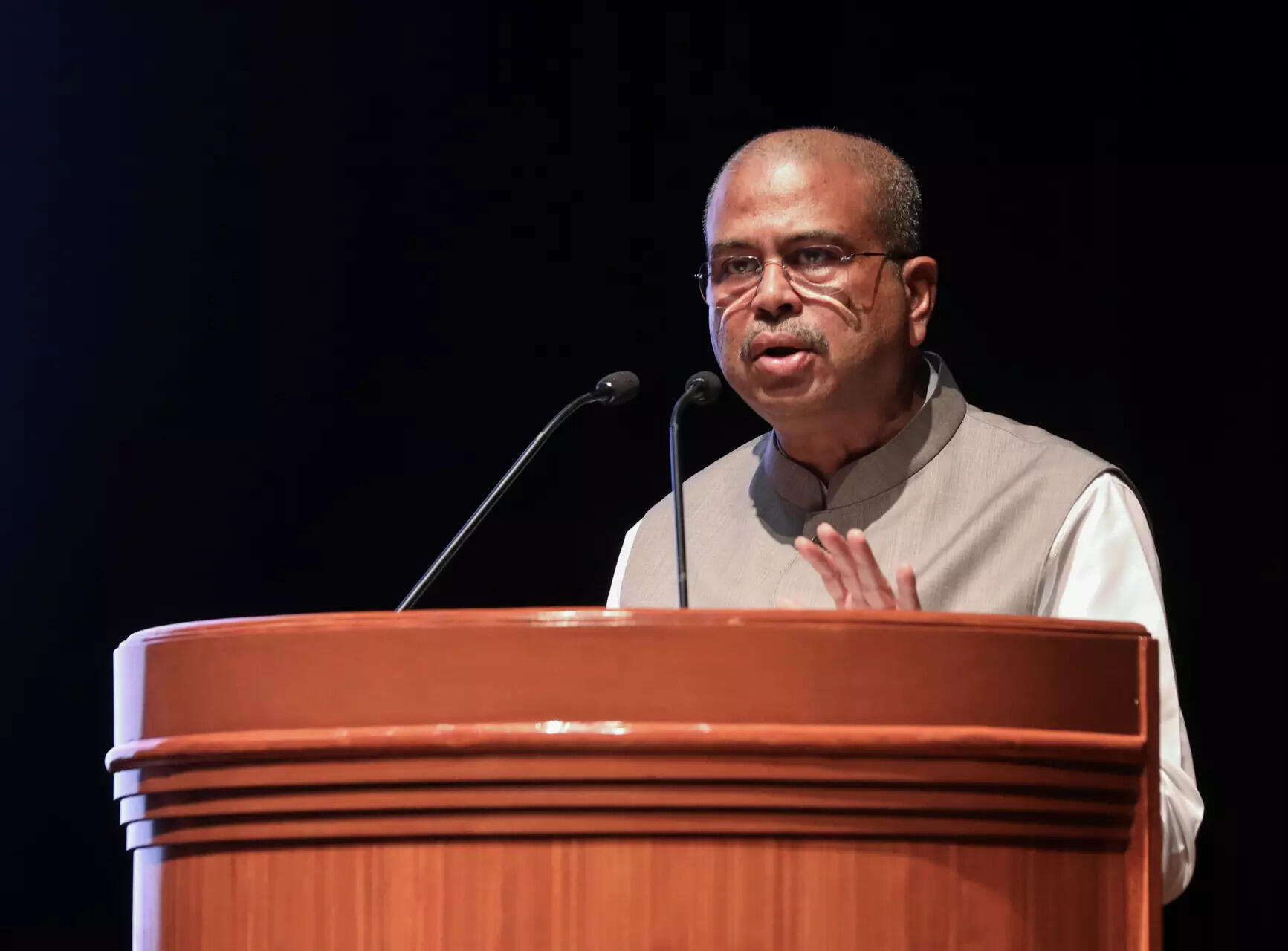
Union Education Minister Dharmendra Pradhan recently spoke about the heated debates surrounding school textbooks and university regulations. He admitted that the controversies involving the National Council of Educational Research and Training (NCERT) and the University Grants Commission (UGC) could have been prevented. The Minister emphasized that while the changes were meant to improve the education system, the way they were handled led to unnecessary public concern. His comments suggest a need for better communication when introducing major updates to how students learn.
Main Impact
The admission from a top government official that these disagreements were "avoidable" marks a significant moment for the education sector. It shows that the government is aware of the public's worry regarding what children are taught in schools and how colleges are managed. This acknowledgment might lead to a more open and inclusive process for future changes. By focusing on transparency, the government aims to reduce friction between policymakers, teachers, and the general public, ensuring that educational reforms are met with understanding rather than anger.
Key Details
What Happened
Over the past year, several changes were made to NCERT textbooks, which are used by millions of students across India. Some topics in history, science, and social studies were removed or shortened. The government stated this was done to reduce the "content load" on students following the disruptions caused by the pandemic. However, critics argued that important historical facts and scientific theories were being sidelined. At the same time, the UGC introduced new rules for university faculty recruitment and student degree paths, which also faced pushback from the academic community.
Important Numbers and Facts
The changes are part of the larger National Education Policy (NEP) 2020, which seeks to transform the Indian schooling system by the end of the decade. The NCERT "rationalization" process aimed to cut down the syllabus by roughly 15% to 20% to help students catch up after school closures. These updates affect thousands of schools affiliated with the Central Board of Secondary Education (CBSE) and various state boards. The UGC rules impact over 1,000 universities and more than 40,000 colleges across the country, changing how thousands of professors are hired and how research is conducted.
Background and Context
Education is a sensitive subject in India because it shapes the minds of the next generation. Textbooks are often at the center of political and social debates. When the government decides to change what is written in a history book, it often leads to fears that the past is being presented in a one-sided way. Similarly, the UGC is responsible for keeping the quality of higher education high. When it changes rules about who can teach or how a PhD is earned, it affects the career paths of millions of young people. The Minister's recent comments acknowledge that these changes, while intended to modernize the system, touched on these deep-seated public concerns.
Public or Industry Reaction
The reaction to the textbook and university changes has been mixed. Many teachers and parents welcomed the idea of a lighter syllabus, noting that students were under too much pressure. However, many historians and scientists signed petitions asking the government to put back the removed sections. They argued that students need a complete understanding of the world to become well-rounded citizens. In the university sector, some professors felt the new UGC rules made their jobs more difficult or less secure. The Minister noted that these strong reactions showed that the government needs to do a better job of explaining the "why" behind their decisions.
What This Means Going Forward
Moving forward, the Ministry of Education is likely to focus more on talking to experts and the public before finalizing big changes. This could mean more public meetings, feedback sessions, and clearer explanations provided to the media. The goal is to ensure that when a new textbook is printed or a new college rule is made, people understand the logic behind it. This approach could help the government implement the National Education Policy more smoothly. It also signals to the academic world that their voices might be heard more clearly in future discussions.
Final Take
Updating an education system for a country as large as India is a massive task that will always face some level of criticism. However, as the Education Minister pointed out, much of the recent trouble could have been stopped with better planning and clearer talk. Education should stay focused on the growth of students rather than becoming a source of constant public argument. If the government can match its big ideas with better communication, the path to a modern education system will be much smoother for everyone involved.
Frequently Asked Questions
Why were the NCERT textbooks changed?
The textbooks were updated to reduce the amount of information students had to learn at once. This was intended to help them recover from the learning gaps caused by the pandemic and to align with the new National Education Policy.
What did Dharmendra Pradhan say about the controversies?
The Minister stated that the arguments and controversies surrounding the changes were "avoidable." He suggested that better communication and handling of the updates could have prevented the public outcry.
How do these changes affect college students?
While the textbook changes mostly affect school children, the UGC rule changes affect how college students earn their degrees and how their teachers are hired. These rules are meant to make Indian degrees more respected globally.



