
Summary
The Congress party is preparing to lead a united group of opposition parties against the central government’s plan for a special Parliament session. This session, scheduled for mid-April, focuses on women’s reservation in politics. While the Congress supports giving more seats to women, they are worried about the timing and the way the government is handling the process. They believe the government is trying to make major changes to the voting system without enough discussion or agreement from other parties.
Main Impact
This political move marks a major standoff between the ruling party and the opposition. The main concern is that the government might be using the women’s reservation bill to push through other big changes, such as redrawing voting districts. If these changes happen too quickly, they could change how power is shared between different states in India. This has created a lot of tension, especially since the country is currently in the middle of an election cycle. The opposition warns that rushing these laws could have serious and lasting effects on how Indian democracy works.
Key Details
What Happened
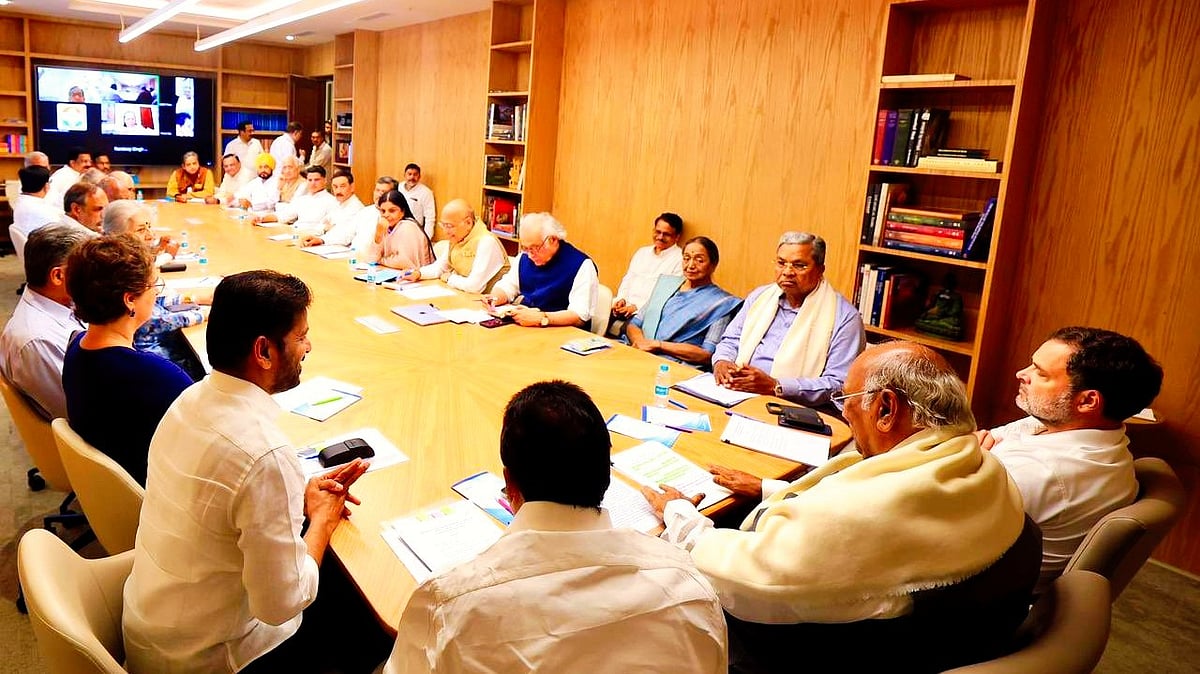
On Friday, April 10, 2026, the Congress Working Committee (CWC) held a high-level meeting to discuss the government’s sudden move. Mallikarjun Kharge, the president of the Congress party, spoke to the leaders about his concerns. He said the government is trying to pass very important laws during a time when election rules are already in place. He argued that such big changes to the country's voting structure should not be made in a hurry. The party decided that they would not stand alone but would work with other opposition parties to demand more time and better discussions.
Important Numbers and Facts
The government has called for a special session of Parliament to take place from April 16 to April 18, 2026. The Congress party is asking for an all-party meeting to be held after April 29, which is when the current state assembly elections will end. One of the biggest worries is that the new rules for women’s seats might not actually start until the 2029 general elections. This delay is linked to a process called "delimitation," which involves changing the boundaries of voting areas based on new population data.
Background and Context
To understand why this is a big deal, it helps to know about women’s reservation and delimitation. For a long time, there has been a plan to reserve one-third of the seats in Parliament for women. Most parties agree with this idea. However, the government wants to link this to "delimitation." This means redrawing the map of voting districts across India. Because the population has grown faster in some states than in others, redrawing the map could give some states more seats and others fewer seats. Many leaders in southern and eastern India fear that their states will lose influence if this happens. They believe that states that have done a good job controlling population growth should not be punished by having less power in Parliament.
Public or Industry Reaction
The reaction from the opposition has been strong and united. Jairam Ramesh, a senior Congress leader, told the media that the party wants a fair discussion where everyone can have a say. He mentioned that they are looking to talk with other parties to form a single plan of action. Rahul Gandhi also shared his thoughts, saying that while the party wants women to have more power, they do not want the government to use this issue for political gain. Other regional parties, especially those from the south, have expressed similar fears about losing their voice in the national government if the voting districts are changed without a clear and fair plan.
What This Means Going Forward
The next few weeks will be very important for Indian politics. The special session in mid-April will likely be a time of heated debate. The Congress and its allies will push the government to wait until after the state elections are over before making any final decisions. They want a formal proposal that everyone can read and talk about first. If the government moves forward without the opposition's support, it could lead to protests and legal challenges. The main goal for the opposition is to make sure that any change to the voting system is done fairly and does not favor one part of the country over another.
Final Take
The fight over the women’s reservation bill is about more than just seats in Parliament. It is a battle over how India is governed and how different regions are represented. While everyone says they want more women in politics, the disagreement over "how" and "when" shows how deep the political divide has become. The outcome of this special session will show whether the government and the opposition can find a middle ground or if the country is headed for a bigger political conflict.
Frequently Asked Questions
What is the special Parliament session about?
The government called a special session from April 16 to April 18, 2026, to discuss the women’s reservation bill and other changes to how voting districts are organized.
Why is the Congress party worried about the timing?
They believe the government is rushing the laws during an election cycle to get a political advantage. They want the discussion to happen after the current state elections end on April 29.
What is delimitation and why is it controversial?
Delimitation is the process of redrawing voting boundaries based on population. It is controversial because it could give more seats to states with high population growth and fewer seats to states that have successfully managed their population.

