
Summary
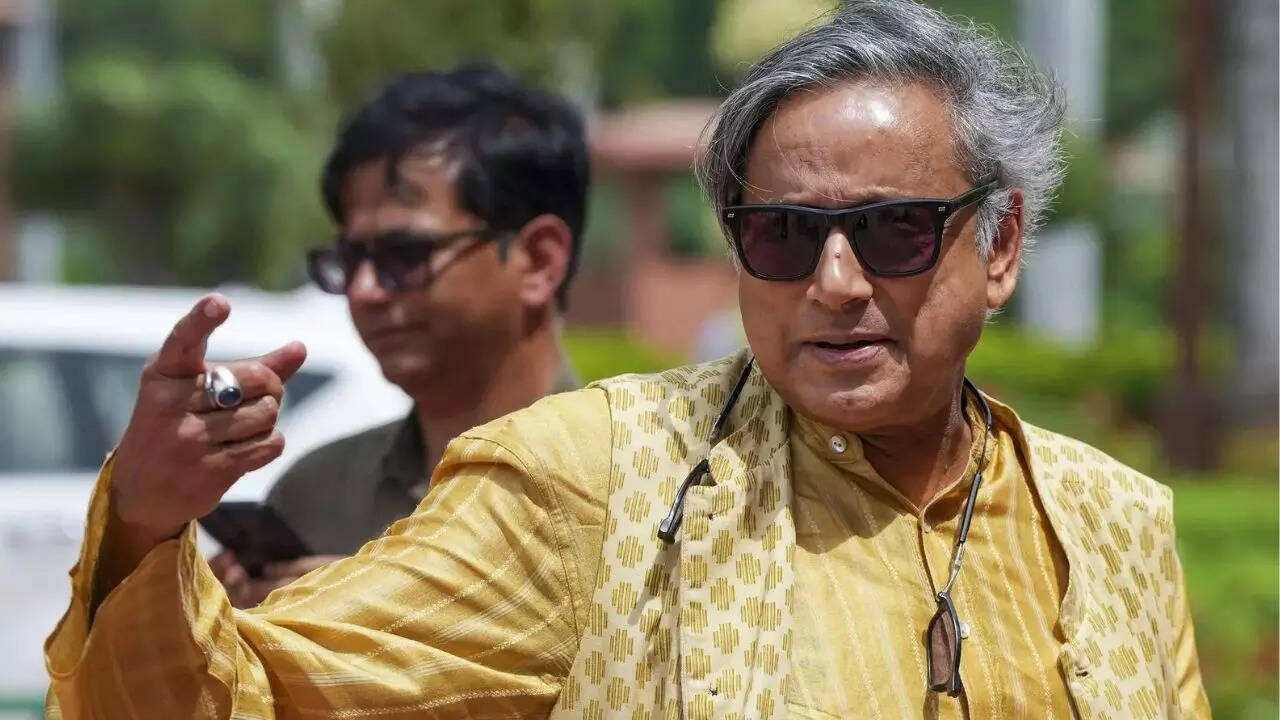
A debate has broken out within the Congress party over the number of women chosen to run in the Kerala elections. Shama Mohamed, a senior party leader, expressed her disappointment after seeing very few women on the candidate list. She reached out to Rahul Gandhi, asking him to step in and support female leaders. In response, Shashi Tharoor noted that while representation is important, the party must also focus on who is most likely to win each seat.
Main Impact
This situation highlights a major challenge for political parties in India. They often struggle to balance the need for gender equality with the pressure to win elections. When a major party like Congress fields very few women, it sends a message to the public about their priorities. This internal disagreement shows that even within a party that supports women's rights, the actual practice of giving women power remains difficult. It also puts pressure on the party leadership to explain why more women are not being given a chance to lead.
Key Details
What Happened
Shama Mohamed took to social media to share her concerns about the party's candidate selection. She pointed out that the number of women being allowed to run for office is very low compared to men. She specifically mentioned that she felt "denied but not defeated," showing her resolve to keep fighting for better representation. Shashi Tharoor later spoke about the issue, explaining that the party looks at "winnability" as a key factor. This means the party chooses candidates they believe have the best chance of beating their opponents, which sometimes results in fewer women being picked.
Important Numbers and Facts
The numbers shared by Shama Mohamed tell a clear story about the current state of candidate selection. Out of 92 total tickets or spots available for candidates, only nine were given to women. This is a small fraction of the total. Looking specifically at the Lok Sabha elections in Kerala, the situation was even more lopsided. Only one woman was chosen to run among 16 total candidates. These figures have sparked a conversation about whether the party is doing enough to promote female leadership at the local and national levels.
Background and Context
Kerala is often seen as a state with high levels of education and social progress. However, this progress does not always show up in politics. For many years, men have held the majority of seats in both the state assembly and in national roles representing Kerala. While there is a law in India called the Women's Reservation Bill that aims to set aside one-third of seats for women, it has not yet fully changed how parties pick their candidates for every election.
The Congress party has often talked about the importance of empowering women. Rahul Gandhi has frequently spoken about bringing more women into the political process. However, when it comes time to actually hand out tickets for an election, local party leaders often worry that a new female candidate might not have the same name recognition or financial backing as an established male politician. This creates a cycle where women find it hard to get their first big break in a major race.
Public or Industry Reaction
The reaction to Shama Mohamed’s statement has been mixed. Many supporters of gender equality praised her for speaking up against her own party. They feel that if leaders do not speak out, nothing will ever change. On the other hand, some party loyalists agree with Shashi Tharoor. They argue that the most important goal is to win the election and prevent the opposition from taking power. They believe that taking risks on unknown candidates, regardless of gender, could lead to losing important seats. This debate is common in many political circles across India, not just within the Congress party.
What This Means Going Forward
Moving forward, the Congress party will likely face more pressure to show they are serious about including women. If they continue to field very few female candidates, they may lose the support of women voters who want to see themselves represented in government. The party leadership may need to create a better system for training and supporting women leaders long before an election begins. This would help ensure that when the time comes to pick candidates, there are many "winnable" women ready to run. The next few election cycles will be a test to see if the party changes its strategy or stays with the traditional way of doing things.
Final Take
Winning an election is the goal of any political party, but true progress requires looking beyond just the next vote. While "winnability" is a real factor in a tough political environment, it should not be used as a permanent excuse to keep women out of power. For the Congress party to live up to its promises, it must find a way to make women candidates both visible and victorious. Balancing these two needs is difficult, but it is necessary for a healthy and fair democracy.
Frequently Asked Questions
Why did Shama Mohamed complain about the candidate list?
She complained because very few women were chosen to run for office. In Kerala, only one woman was picked out of 16 candidates, and overall, only nine women were chosen out of 92 spots.
What does "winnability" mean in this context?
It refers to the likelihood of a candidate winning their seat. Shashi Tharoor explained that the party often chooses candidates who have the strongest chance of defeating their rivals, which can sometimes lead to fewer women being selected.
What did Shama Mohamed ask Rahul Gandhi to do?
She asked him to intervene and support women leaders in the state. She wants the top leadership to ensure that women are given a fair chance to represent the party in elections.



