
Summary
The Indian National Congress (INC) has publicly criticized the central government for what it calls a targeted crackdown on social media platforms. During a recent press meeting, party leaders accused the government of silencing voices on apps like X, YouTube, and Instagram. They claim these actions are a direct attack on the freedom of speech and the democratic rights of Indian citizens. The party believes the government is trying to stop people from sharing opinions that are critical of its performance.
Main Impact
The primary impact of this situation is a growing worry over the future of free speech in the digital world. By allegedly blocking accounts and removing content, the government is accused of creating an environment where people are afraid to speak their minds. This move affects not just political figures, but also independent content creators who use the internet to talk about everyday problems. If these claims are true, it means that the information people see online is being tightly controlled by government officials rather than being an open space for discussion.
Key Details
What Happened
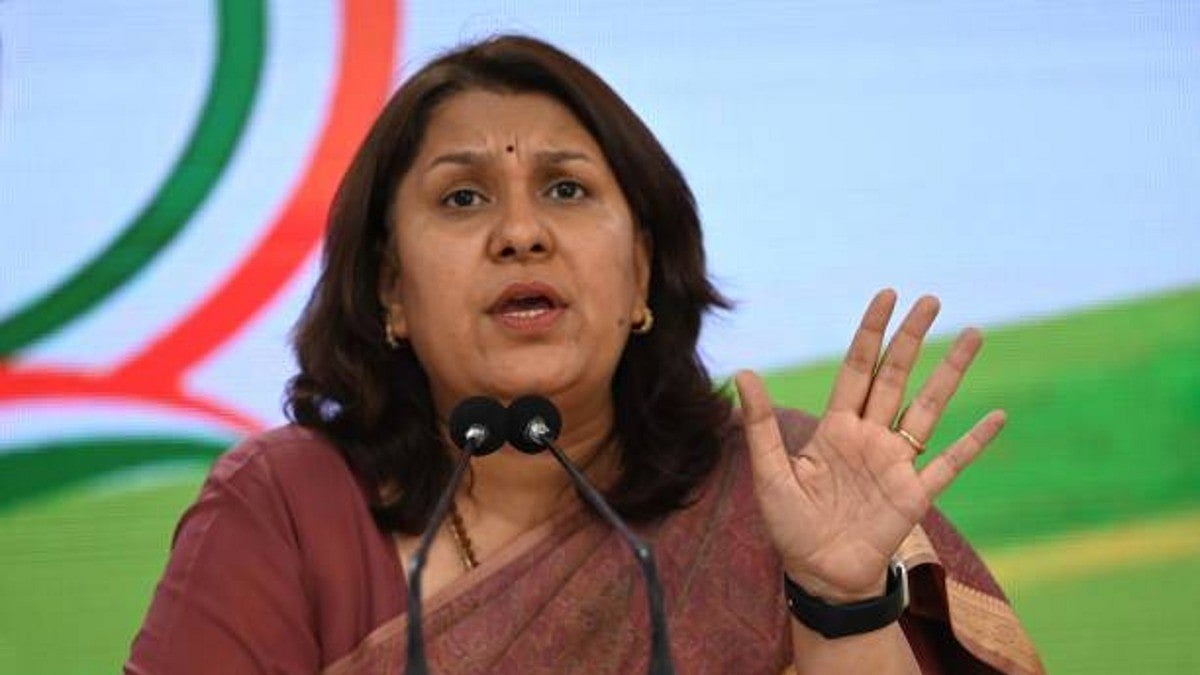
Supriya Shrinate, who leads the social media department for the Congress party, spoke to reporters in New Delhi. She described a systematic effort by the government to shut down digital dissent. According to Shrinate, many social media users have found their accounts blocked or their videos removed without clear reasons. She argued that the government is moving beyond traditional media to control what is said on the internet. The party claims that this is a way to hide failures in areas like the economy and foreign policy.
Important Numbers and Facts
The Congress party highlighted the use of Section 69A of the Information Technology Act. This specific law gives the government the power to block public access to any information online if it believes it is necessary for national interest or security. However, the opposition argues that this law is being used too broadly to silence critics. Shrinate mentioned specific cases, such as a YouTuber in Noida who faced police trouble, and noted that even people who do not support the Congress party are being targeted. The party insists that the crackdown is widespread and affects anyone who asks difficult questions about governance.
Background and Context
In the past few years, social media has become the main place where many Indians get their news. Because many people feel that traditional TV news channels do not always show the full picture, they have turned to independent creators on YouTube and Instagram. These creators often talk about local issues, jobs, and the cost of living. The Congress party suggests that the government has already influenced mainstream media and is now trying to gain the same level of control over the internet. This debate comes at a time when digital platforms are more influential than ever in shaping public opinion.
Public or Industry Reaction
The reaction to these allegations has been a mix of concern and debate. While the central government has not yet issued a formal response to these specific claims, officials have previously stated that regulations are necessary to stop the spread of fake news and to protect national security. Digital rights groups have often expressed worry that the rules for the internet are becoming too strict. On the other side, some people believe that social media companies should be held more accountable for the content they host. The Congress party, however, maintains that the current actions are purely about stopping political criticism.
What This Means Going Forward
Looking ahead, the tension between the government and social media users is likely to grow. As more people use the internet to express their views, the rules governing digital content will become a major point of conflict. There may be more legal battles in court as creators fight to keep their accounts active. The Congress party has promised to keep raising these issues, stating that "blocking accounts will not block questions." This suggests that the fight for digital freedom will remain a key part of the political conversation in India for a long time.
Final Take
A healthy democracy depends on the ability of citizens to question those in power. When the tools used for communication are restricted, it limits the public's ability to stay informed and hold leaders accountable. While it is important to manage the internet responsibly, using laws to silence critics can hurt the spirit of free expression. The ongoing debate over social media control shows how important the digital world has become to the future of Indian society.
Frequently Asked Questions
Why is the Congress party accusing the government of a crackdown?
The party claims the government is using its power to block social media accounts and delete posts that criticize its policies or talk about economic problems.
What is Section 69A of the IT Act?
It is a law that allows the Indian government to order social media companies to block content that it considers a threat to national security, public order, or other specific reasons.
Who is being affected by these social media blocks?
According to the Congress party, the blocks affect independent YouTubers, Instagram users, and regular citizens, including those who do not belong to any political party.

