
Summary
The Congress party has officially responded to a notice from the Election Commission regarding a controversial comment made by its president, Mallikarjun Kharge. The party claims that the notice was sent in a hurry and contains several errors. Congress leaders believe the move shows a hidden agenda and a lack of proper care by the commission. They have asked for more time to provide a full explanation and want to meet with election officials in person.
Main Impact
This development creates a new point of tension between the main opposition party and the body that runs elections in India. By accusing the Election Commission of having "ulterior motives," the Congress party is questioning the fairness of the election process. This situation could lead to more heated debates about how the rules are applied to different political leaders. It also puts pressure on the commission to show that it is acting neutrally and following the correct procedures for everyone.
Key Details
What Happened
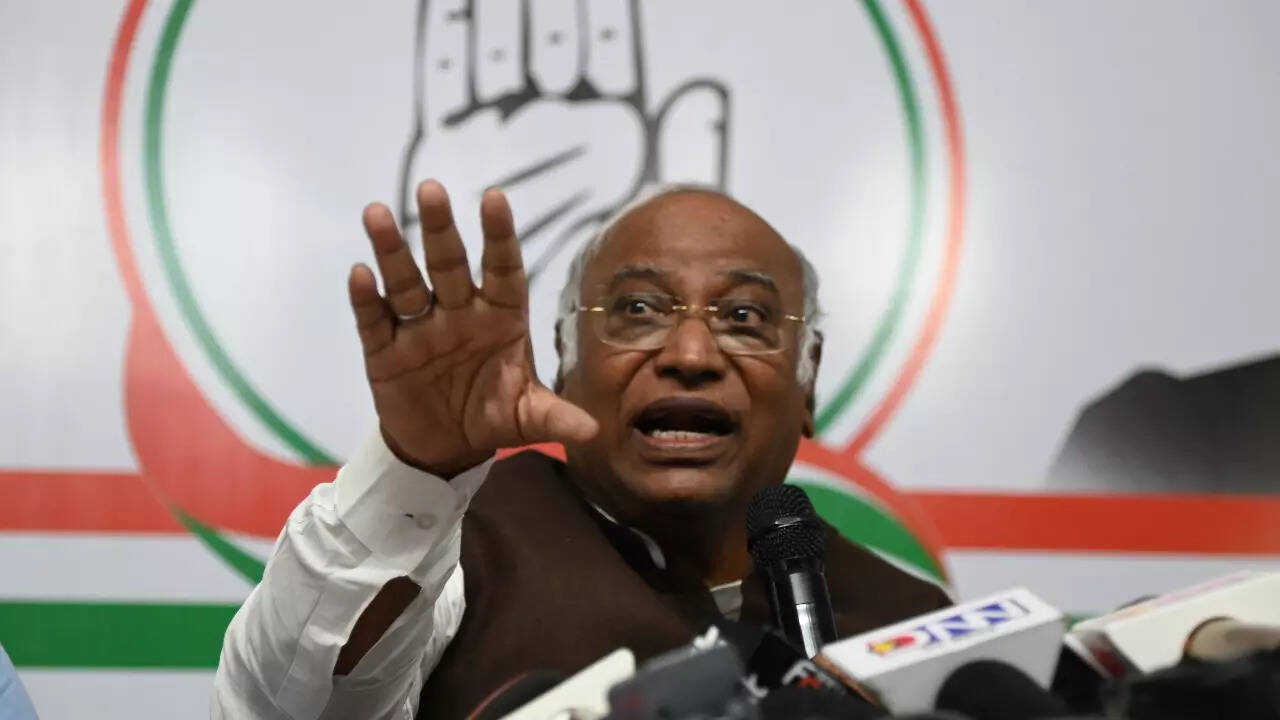
The Election Commission of India sent a formal notice to Mallikarjun Kharge after he reportedly used the word "terrorist" in a political speech. The commission wanted to know why he made such a remark and if it broke election rules. In response, the Congress party sent a short initial letter. They argued that the notice was sent too quickly and did not give them enough time to look into the facts. They also pointed out that the notice had mistakes that should have been fixed before it was sent out.
Important Numbers and Facts
The Congress party has requested exactly seven days to submit a detailed and formal reply to the commission. They mentioned that the current deadline was too tight for a fair response. The party also asked for a face-to-face meeting with the Election Commission members to discuss their concerns. This request comes during a busy election season where every word spoken by a leader is closely watched by rivals and the public.
Background and Context
In India, the Election Commission sets strict rules called the Model Code of Conduct. These rules are meant to keep elections fair and peaceful. One of the main rules is that political leaders should not make personal attacks or use language that could cause hatred between different groups. When a leader is accused of breaking these rules, the commission sends a notice asking for an explanation. If the answer is not satisfying, the commission can give a warning or even stop the leader from campaigning for a few days.
Mallikarjun Kharge is the president of the Congress party, which makes any action against him a major political event. The party feels that the commission is being too strict with them while being more relaxed with other parties. This feeling of unfairness is why they are using strong words like "ulterior motives" to describe the commission's actions.
Public or Industry Reaction
Political experts are watching this closely to see if the Election Commission will give the Congress party the extra week they asked for. Supporters of the Congress party say the commission is trying to silence their leader during a critical time. On the other side, rival parties argue that no leader is above the law and that everyone must follow the rules of polite speech. Many people on social media are debating whether the word used by Kharge was truly harmful or just a part of regular political talk.
What This Means Going Forward
If the Election Commission grants the one-week extension, it might calm the situation down for a short time. However, if they deny the request and take quick action against Kharge, it could lead to more protests from the Congress party. This case will likely set a standard for how the commission handles complaints about speech in the future. It also means that all political leaders will have to be very careful about the words they choose during their rallies to avoid getting similar notices.
Final Take
The clash between the Congress party and the Election Commission shows how difficult it is to balance free speech with election rules. While the commission must ensure that no one uses dangerous language, they must also ensure that their own processes are clear and fair. Errors in official notices only give parties a reason to doubt the system. A fair and open discussion between both sides is the best way to resolve this without hurting the public's trust in the election process.
Frequently Asked Questions
Why did the Election Commission send a notice to Mallikarjun Kharge?
The notice was sent because of a remark where he used the word "terrorist" during a speech. The commission wanted to check if this violated the rules for fair campaigning.
What are "ulterior motives" in this context?
The Congress party is suggesting that the Election Commission might have a hidden reason for sending the notice, such as trying to help a rival party or hurting the Congress campaign.
What happens if a leader breaks the Model Code of Conduct?
The Election Commission can issue a warning, tell the leader to stop making certain speeches, or even ban them from campaigning for a specific amount of time.



