
Summary
The Congress party has moved a no-confidence motion against Lok Sabha Speaker Om Birla. This move is not a personal attack on the Speaker but an effort to protect the dignity of Parliament and the Constitution. Opposition leaders argue that the current government is using parliamentary rules to silence critics. They claim that the Speaker has not been neutral, leading to a breakdown in how the House functions. This event marks a significant moment in Indian politics as the opposition tries to challenge the way laws are debated and passed.
Main Impact
The primary impact of this motion is the heightening of tensions between the ruling party and the opposition. By challenging the Speaker, the opposition is signaling that they no longer trust the fairness of the legislative process. This move forces a public debate on whether the Speaker is acting as an independent referee or as a tool for the government. It also brings international and sensitive domestic issues, such as border security and trade deals, into the spotlight during a high-stakes parliamentary session.
Key Details
What Happened
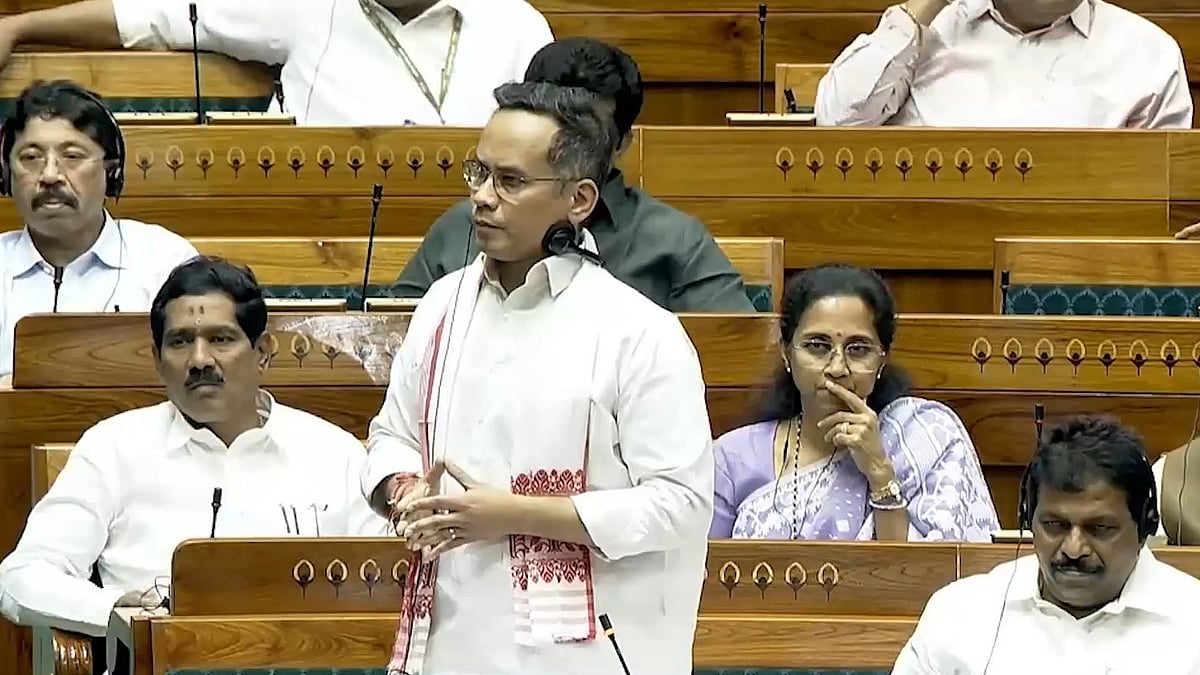
On Tuesday, Gaurav Gogoi, a senior leader from the Congress party, spoke in the Lok Sabha to explain why the motion was filed. He stated that the move was necessary because the "dignity of the House" was at risk. Gogoi claimed that the government has turned Parliament into a place where only one side is allowed to speak freely. He specifically pointed out that microphones are often turned off when opposition members try to raise important points. This, he argued, prevents the public from hearing the full story on critical national issues.
Important Numbers and Facts
The motion is backed by more than 100 members of Parliament. According to the rules of the Lok Sabha, at least 50 members must stand up and support the motion for it to be officially accepted for debate. Once accepted, a 10-hour window was set aside for the discussion. This is a rare event in Indian history. Since India became independent, there have only been three other attempts to remove a Speaker through such a motion. None of those previous attempts were successful, making Om Birla the fourth Speaker to face this challenge.
Specific Allegations
Gaurav Gogoi highlighted several instances where he felt the Speaker was unfair. He mentioned that Rahul Gandhi, the Leader of the Opposition, was interrupted at least 20 times during a single speech in February. These interruptions came from the Speaker as well as several high-ranking government ministers. The opposition also raised questions about a trade deal between India and the United States. They asked if the government was under any hidden pressure to sign the deal, even mentioning names found in the famous Jeffrey Epstein files to suggest there might be external influence on government decisions.
Background and Context
The relationship between the government and the opposition has been poor for a long time. The two sides have argued over many things, including how the government handled border issues with China in 2020. The opposition feels that they are not given enough time to ask questions or demand answers from the Prime Minister and his cabinet. In simple terms, the Speaker is supposed to be like a judge who makes sure everyone follows the rules fairly. When the opposition feels the judge is favoring one team, they use a no-confidence motion to show their protest. This topic matters because if the Speaker is not seen as fair, the laws passed by Parliament may not be seen as legitimate by the public.
Public or Industry Reaction
The ruling Bharatiya Janata Party (BJP) has reacted strongly against the motion. Government ministers like Rajnath Singh and Amit Shah have called the move a "political stunt." They argue that the opposition is simply trying to waste time and mislead the public. On the other hand, supporters of the opposition see this as a brave step to save democracy. They believe that if the opposition does not stand up now, the voice of the people will be completely lost in Parliament. Political experts note that while the motion is unlikely to result in the Speaker being removed, it serves as a powerful way for the opposition to show their unity and anger.
What This Means Going Forward
In the short term, the government has enough members to defeat the motion. Because the BJP and its allies have a majority, Om Birla will likely remain in his position. However, the long-term impact is more about the reputation of the House. This debate will likely lead to more heated arguments in future sessions. It may also lead to changes in how the public views the neutrality of the Speaker's office. If the opposition continues to feel silenced, we can expect more protests, walkouts, and disruptions in the coming months. The next steps involve a formal vote, which will show exactly how much support each side has.
Final Take
This no-confidence motion is a clear sign that the divide in Indian politics is growing deeper. While the Speaker is expected to be a neutral figure, the opposition's actions show they no longer believe that is the case. Even if the motion fails, the questions raised about fairness, free speech, and the "weaponization" of rules will stay in the public mind. For a healthy democracy, both the government and the opposition must feel that the rules are applied equally to everyone. Without that trust, the very foundation of parliamentary debate is at risk.
Frequently Asked Questions
What is a no-confidence motion against the Speaker?
It is a formal process where members of Parliament vote to decide if the Speaker should stay in their role. It is used when the opposition feels the Speaker is not being fair or neutral.
How many votes are needed to start the debate?
At least 50 members of Parliament must support the notice for it to be accepted and discussed in the Lok Sabha.
Has a Speaker ever been removed this way in India?
No. While there have been three previous attempts in India's history, none of them were successful in removing the Speaker from their position.

