
Summary
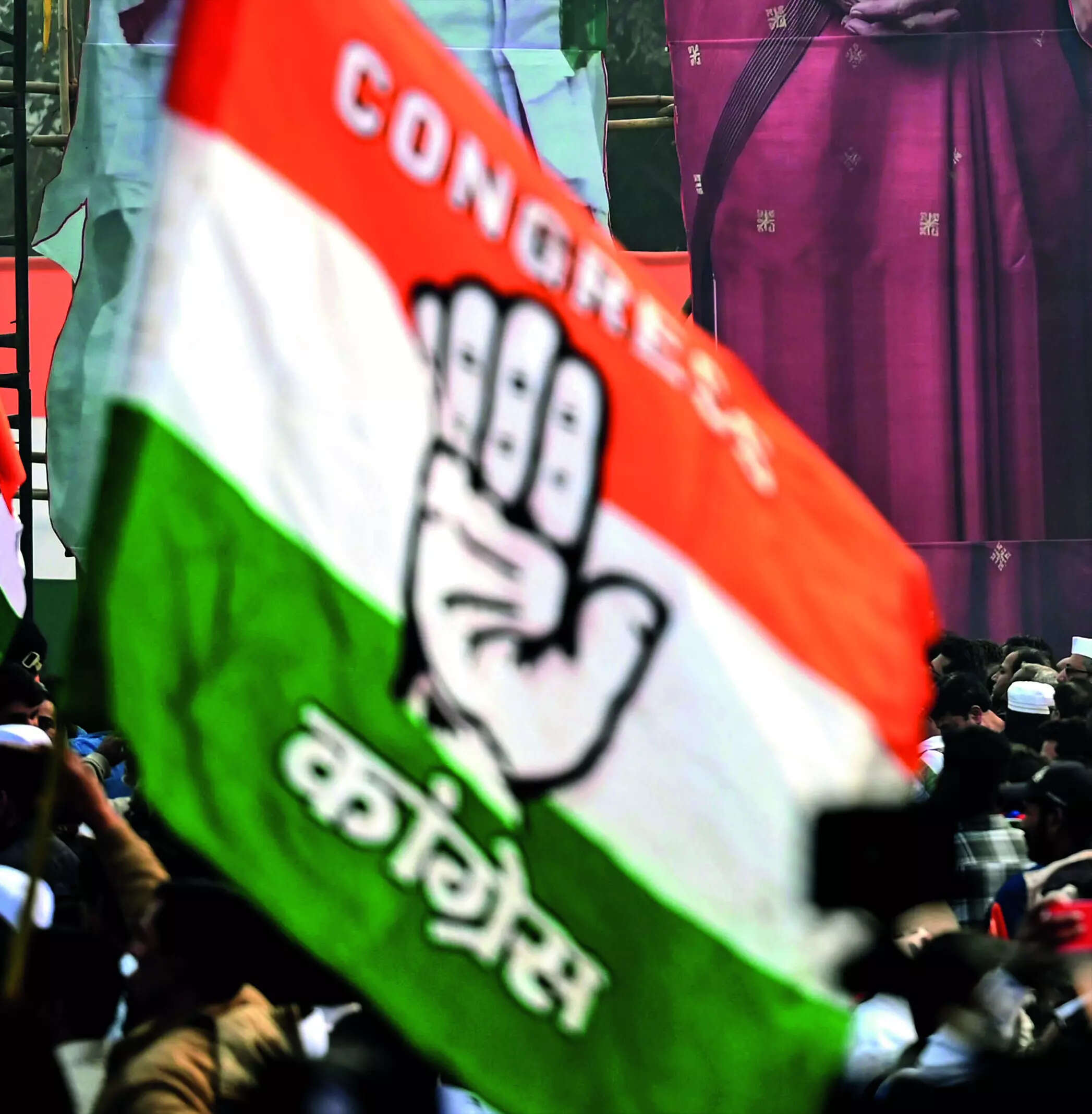
Eleven lawmakers from the Congress party recently ignored their leaders' orders during the Rajya Sabha elections. These members of the Legislative Assembly, known as MLAs, voted for candidates from the opposing side in states where the National Democratic Alliance (NDA) holds power. This move has caused a major stir in Indian politics, as it shows deep divisions within the Congress party. The incident highlights how internal fighting and the influence of money are making it hard for the party to keep its members together.
Main Impact
The primary impact of this event is the visible weakening of the Congress party's authority. When 11 lawmakers decide to go against a direct party order, it sends a message that the central leadership is losing control. This is especially damaging in states where the NDA, led by the BJP, is already very strong. For the Congress, losing these votes often means losing seats in the Rajya Sabha, which is the upper house of India's Parliament. This loss reduces their power to influence national laws and policies.
Key Details
What Happened
During the recent Rajya Sabha polls, the Congress party issued a "diktat" or a strict instruction to all its lawmakers. They were told exactly which candidate to vote for to ensure the party won its expected seats. However, 11 MLAs chose to ignore these instructions. Instead of voting for their own party's choice, they cast their votes for candidates backed by the NDA. This act is known as "cross-voting." It usually happens when lawmakers are unhappy with their own party or have been persuaded by the opposition.
Important Numbers and Facts
The number 11 is significant because Rajya Sabha elections often depend on just one or two votes. In many states, the margin between winning and losing is very thin. By losing 11 votes across different states, the Congress party faced unexpected defeats. These incidents took place in states where the NDA is currently in government. Reports suggest that internal groups within the party, often called "factions," played a role in this rebellion. Some members feel that their local concerns are not being heard by the top leaders in New Delhi.
Background and Context
To understand why this matters, one must know how Rajya Sabha elections work. Unlike general elections where the public votes, Rajya Sabha members are elected by the MLAs of each state. Each party knows exactly how many votes it has based on the number of seats it won in the state elections. Usually, the results are predictable. However, if MLAs decide to switch sides at the last minute, it can change the entire outcome. This is why parties use a "whip" or a formal order to ensure everyone votes correctly.
In recent years, the Congress party has struggled to maintain discipline. In several states, the party is split into different groups that support different local leaders. When these leaders feel ignored, they sometimes encourage their followers to vote against the party's official candidate. Additionally, the term "money power" is often used in these situations. It refers to the belief that wealthy interests or the ruling party might offer incentives to lawmakers to switch their loyalty.
Public or Industry Reaction
Political experts and observers have noted that this is a sign of a "crisis of confidence" within the Congress. Many analysts believe that the party is failing to give its members a strong reason to stay loyal. Critics from the NDA have used this opportunity to say that the Congress is a "sinking ship." They argue that even the party's own elected officials do not believe in its future. On the other hand, some supporters of the Congress say that the ruling alliance is using unfair pressure and resources to break the opposition.
What This Means Going Forward
Looking ahead, the Congress party faces a difficult task. They must find a way to stop more lawmakers from leaving or voting against the party. If they cannot fix these internal fights, they will continue to lose strength in the Parliament. This also makes it harder for them to form alliances with other parties, as those partners may worry that Congress cannot keep its own members in line. The party may need to take strict action against the 11 MLAs to show that breaking the rules has consequences. However, doing so could also lead to those members leaving the party entirely, further reducing their numbers.
Final Take
The rebellion of these 11 lawmakers is more than just a lost election; it is a warning sign for the Congress party. It shows that having a famous name or a long history is not enough to keep a political party united. Without strong leadership and a clear plan that satisfies local leaders, the party remains at risk. The influence of the opposition in NDA-ruled states continues to grow, making it harder for any rival to stand their ground. For the Congress to recover, it must focus on fixing its internal problems before it can hope to win against its external rivals.
Frequently Asked Questions
What is cross-voting in Indian politics?
Cross-voting happens when a member of a political party votes for a candidate from a different party, usually against the official orders of their own leadership.
Why is the Rajya Sabha election important?
The Rajya Sabha is the upper house of Parliament. Members elected here help make national laws. Parties want as many seats as possible to control which laws get passed.
What does "money power" mean in this context?
It refers to the use of financial influence or the promise of expensive favors to convince lawmakers to change their votes or switch political parties.



