
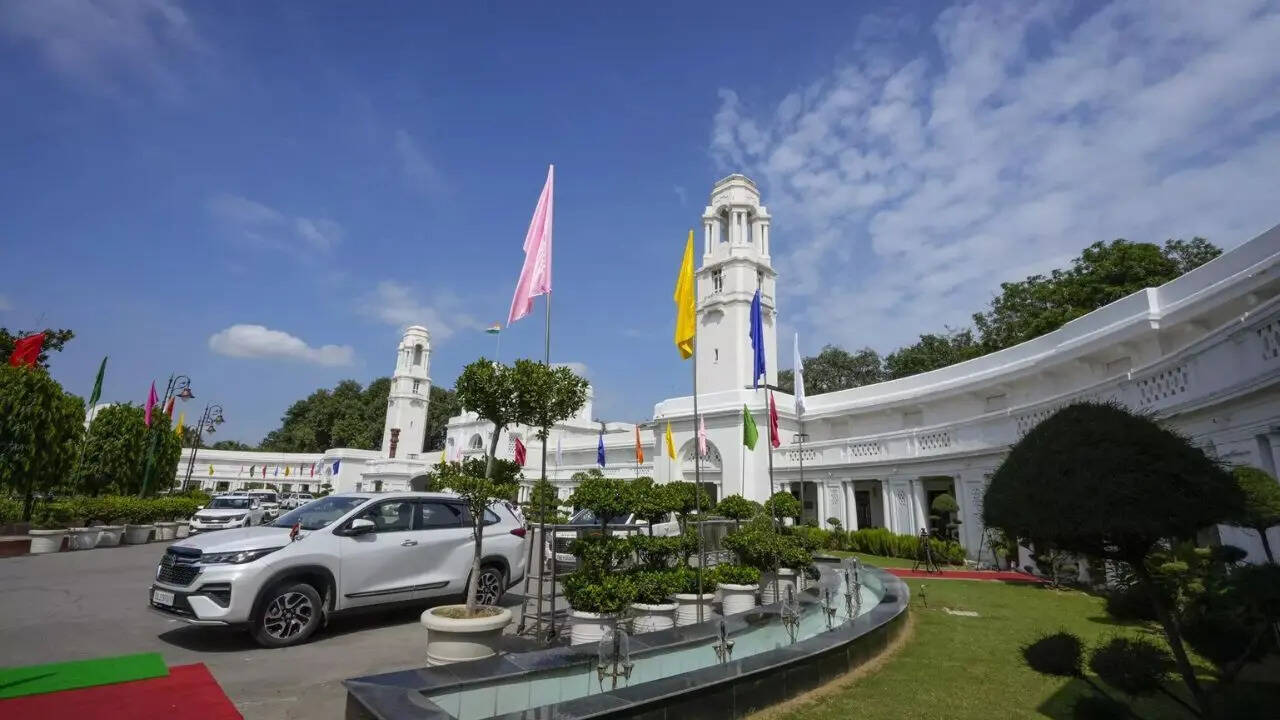
Summary
India is moving toward a major change in its urban identity by renaming the famous "Civil Lines" areas found in many cities. These neighborhoods have carried this name since the British colonial era, marking them as residential zones for civilian officers. The government aims to replace these titles with names that reflect Indian culture and local history. This shift is part of a broader effort to remove symbols of the colonial past from the country’s public spaces.
Main Impact
The decision to rename these areas will change the maps and addresses of some of the most prominent districts in India. For decades, "Civil Lines" has been a sign of high status and well-planned urban living. By removing this name, the government is signaling a final break from the administrative structures left behind by the British Raj. This change will affect thousands of residents, businesses, and government offices that use these addresses for official records.
Key Details
What Happened
Authorities are currently reviewing the use of the term "Civil Lines" in city planning and official records. The goal is to phase out the name entirely and replace it with names of Indian freedom fighters, local heroes, or significant cultural landmarks. This follows a trend seen in recent years where major roads and landmarks, such as Rajpath being renamed to Kartavya Path, have been given new identities to better represent modern India.
Important Numbers and Facts
The term "Civil Lines" is used in dozens of major cities across India, including Delhi, Prayagraj, Nagpur, Jaipur, and Kanpur. These areas were originally built in the 19th century. Unlike the "Cantonments," which were for the military, Civil Lines were built specifically for British civilian staff. Today, these areas often house the most expensive real estate and important government buildings in their respective cities. Changing these names involves updating thousands of digital and physical records, including postal codes and property deeds.
Background and Context
To understand why this change is happening, it is important to look at how Indian cities were organized under British rule. During the colonial period, the British created separate residential zones for themselves. They wanted to live away from the crowded parts of the city where the local Indian population lived. These segregated areas were called "Civil Lines."
For a long time, these names remained because they were convenient and well-known. However, many people now feel that keeping these names honors a period of history when Indians were treated as second-class citizens in their own country. The current movement seeks to reclaim these spaces by giving them names that the local population can take pride in. It is a step toward making the city environment feel more connected to the people who live there today.
Public or Industry Reaction
The reaction to this news has been a mix of support and practical concern. Many citizens welcome the move, seeing it as a necessary step to build a national identity that is free from colonial influence. They argue that names carry power and that Indian cities should reflect Indian stories. Historians have also noted that while the history of the British era should be remembered in books, it does not need to be celebrated in the names of the places where people live and work.
On the other hand, some residents and business owners are worried about the practical side of the change. They point out that "Civil Lines" is a very strong brand name in real estate. Changing an address can lead to confusion for mail delivery, online maps, and legal documents. There are also concerns about the cost of changing signage and updating government databases. Despite these worries, the general feeling is that the cultural value of the change outweighs the temporary inconvenience.
What This Means Going Forward
In the coming months, local municipal corporations will likely start suggesting new names for these districts. This process usually involves taking suggestions from the public and getting approval from state or central government committees. Once a new name is chosen, there will be a transition period where both the old and new names might be used together to help people adjust.
Technology companies that manage digital maps will also need to update their systems. This change is expected to be a slow process, as it involves more than just changing a sign on a street corner. It requires a complete update of the city's administrative identity. Other colonial-era names for parks, squares, and buildings may also be reviewed as part of this nationwide project.
Final Take
Renaming "Civil Lines" is more than just a change of words; it is a symbolic act of moving away from a divided past. While the physical buildings and streets will remain the same, the new names will offer a chance to celebrate Indian heritage. As these old colonial titles fade into history, they make room for a modern identity that belongs to the people of India. The transition may take time and effort, but it marks a significant moment in the country's ongoing journey to define itself on its own terms.
Frequently Asked Questions
Why were these areas called Civil Lines?
The British used the name to distinguish residential areas for civilian officers from the "Cantonments," which were reserved for the military. These areas were built to keep British residents separate from the local Indian population.
Will my home address change if I live in Civil Lines?
Yes, if the name is officially changed, your legal address will eventually reflect the new name. However, government agencies usually provide a long transition period to update documents like ID cards and property papers.
Which cities will be affected by this change?
Most major cities in India that have a "Civil Lines" district are expected to be part of this review. This includes cities like Delhi, Prayagraj, Ludhiana, and many others across various states.



