
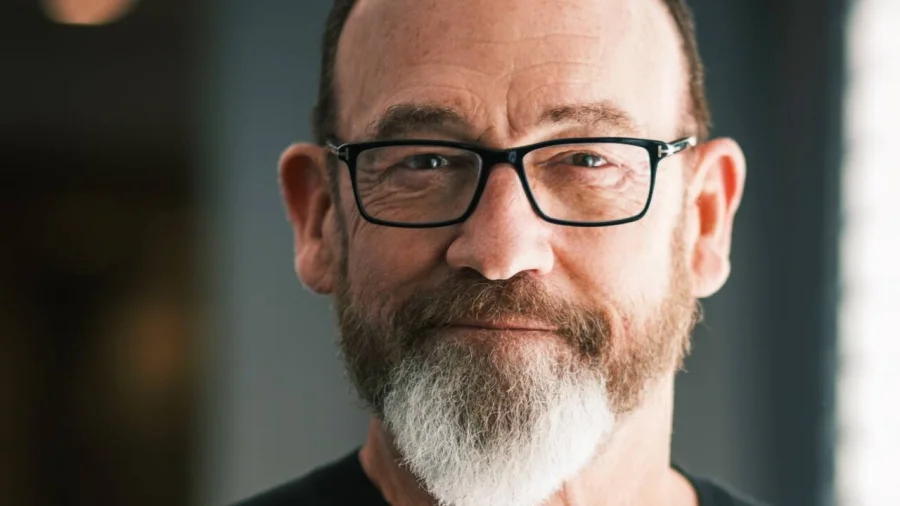
The man who turned a green-faced Jim Carrey into a global phenomenon is gone. Chuck Russell, the director of the 1994 classic “The Mask,” died Wednesday at his home in the San Diego area, his family confirmed. He was 74. The cause of death has not been disclosed, leaving fans and colleagues mourning without a clear explanation.
A Director Who Changed Comedy-Visual Effects Forever
Russell’s 1994 film “The Mask” was a runaway hit, earning over $350 million worldwide and cementing Jim Carrey’s status as a comedic superstar. Its seamless blend of practical effects and early CGI set a new standard for visual humor. The movie’s famous green mask, dancing sequences, and cartoonish physics became defining images of the 1990s.
How Chuck Russell’s Career Began
Russell started as a screenwriter, co-writing films like “Dreamscape” (1984) before moving into directing. His first major directorial success was “A Nightmare on Elm Street 3: Dream Warriors” (1987), widely considered one of the best entries in the franchise. He later directed “The Scorpion King” (2002), which launched Dwayne Johnson’s lead-acting career.
The Mask’s Legacy and Cultural Impact
For a generation, “The Mask” was more than a comedy — it was a pop-culture milestone. From Jim Carrey’s manic performance to the Oscar-nominated visual effects, the film captured the spirit of early digital-era moviemaking. Russell’s ability to balance slapstick humor with genuine emotion made the film endure on streaming platforms for decades.
What We Know About His Death — and What Remains Unclear
According to family statements, Russell died peacefully at his home in the San Diego area on July 22, 2026. The cause of death has not been released. No further details about his final days have been shared. It is not known whether he had been ill. His family has requested privacy during this time.
Tributes Pour In from Hollywood Colleagues
Fellow filmmakers and actors have begun paying tribute. Jim Carrey, who worked closely with Russell on “The Mask,” described him in a brief statement as “a visionary who saw magic in chaos.” Fellow horror director Wes Craven, who produced the “Nightmare on Elm Street” series, had previously praised Russell’s “instinctual storytelling.” More tributes are expected as the news spreads.
What Made Russell’s Filmmaking Unique
Russell had a rare ability to mix genres: comedy, horror, action, and fantasy. He didn’t just direct; he understood how to use visual effects as a storytelling tool, not a crutch. In an era where blockbusters increasingly rely on computer-generated imagery, Russell’s films feel grounded because he prioritized performance and practical sets.
A Career That Stretched Beyond Directing
Beyond directing, Russell wrote screenplays for several notable projects and mentored young filmmakers. He taught masterclasses in visual storytelling and remained active in the industry until his death. His last credited directorial work was on the 2020 horror film “The Devil’s Light.”
Frequently Asked Questions
How old was Chuck Russell when he died?
Chuck Russell was 74 years old. He was born in 1952.
What is Chuck Russell’s most famous movie?
His most famous film is “The Mask” (1994), starring Jim Carrey. The film grossed over $350 million worldwide.
Did Chuck Russell direct any horror films?
Yes, he directed “A Nightmare on Elm Street 3: Dream Warriors” (1987), a fan-favorite entry in the classic horror series.
Who survives Chuck Russell?
He is survived by his wife and three children. No names have been publicly released.
What was Chuck Russell’s cause of death?
The cause of death has not been disclosed by the family. Public information is limited at this time.
Our Take
Chuck Russell’s passing marks the end of a certain kind of filmmaker: one who understood that special effects should serve the story, not overwhelm it. “The Mask” remains a testament to his vision — a film that could never have worked without a director confident enough to let Jim Carrey be Jim Carrey. In a cinema landscape increasingly divided between franchise blockbusters and indie dramas, Russell’s genre-hopping career feels refreshingly adventurous. His greatest legacy may be that he made audiences laugh, gasp, and believe in the impossible — often in the same scene. He will be missed.



