
Summary
The 2001 Bollywood movie "Chori Chori Chupke Chupke" is famous for being one of the first Indian films to talk about surrogacy. However, it is even more famous for its real-life connection to the Mumbai underworld. Recent discussions by filmmaker Ram Gopal Varma have brought this dark chapter of cinema history back into the spotlight. The film’s production led to the arrest of a major financier and revealed how organized crime once influenced the Hindi film industry.
Main Impact
The scandal surrounding this movie changed the way Bollywood operates forever. It was a rare moment where the police took control of a completed film because of its ties to criminals. The arrest of Bharat Shah, who was the biggest financier in the industry at the time, proved that no one was above the law. This event pushed the Indian government to give the film industry "industry status," which allowed filmmakers to get legal loans from banks instead of relying on suspicious private money.
Key Details
What Happened
During the production of "Chori Chori Chupke Chupke," the Mumbai police were monitoring the phone calls of known gangsters. They discovered that the film's producer, Nazim Rizvi, was in regular contact with Chhota Shakeel, a high-ranking member of the underworld. The police realized that the movie was being used as a way for the underworld to invest and grow their money. Bharat Shah, a wealthy diamond merchant who funded the film, was caught in the middle. He was accused of knowing about these criminal links and failing to report them to the authorities.
Important Numbers and Facts
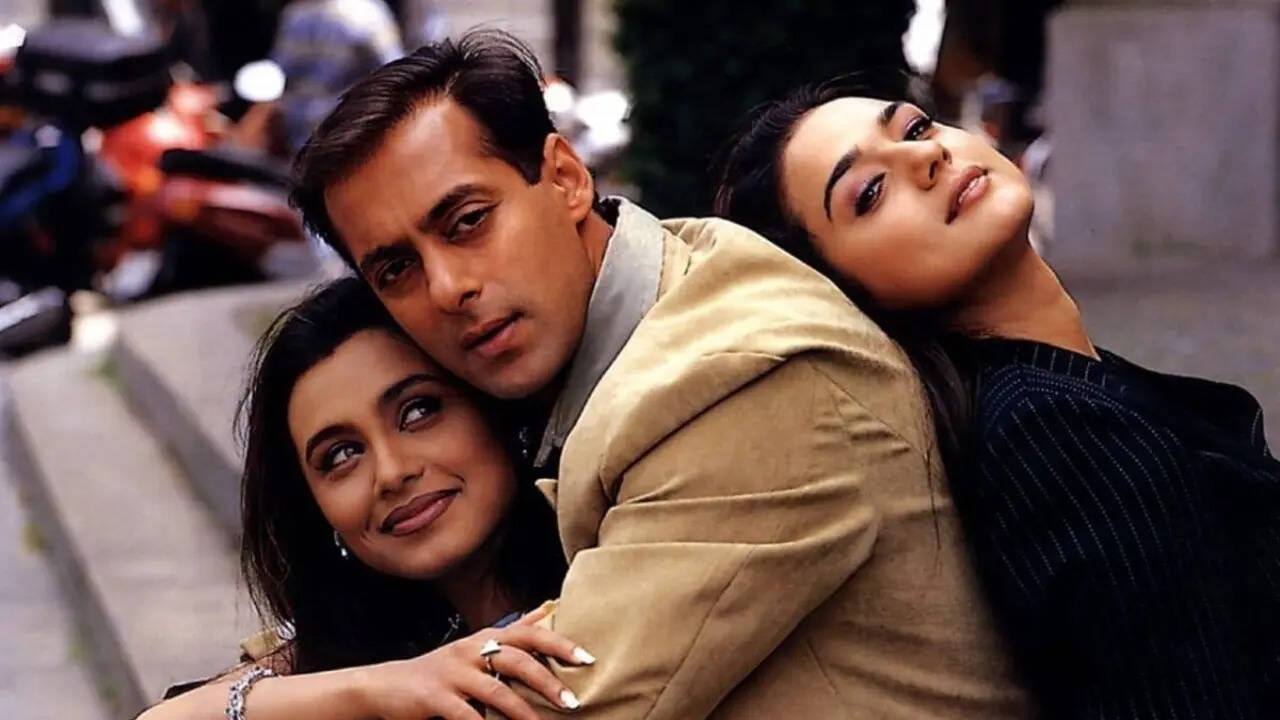
The film was released in 2001 after a long delay caused by the legal battle. It featured major stars like Salman Khan, Rani Mukerji, and Preity Zinta. When the police seized the film, it was the first time such an action had been taken under the Maharashtra Control of Organised Crime Act (MCOCA). Bharat Shah spent over a year in prison before he was released on bail. The court eventually convicted him for not sharing information about the underworld's involvement, even though he was cleared of more serious conspiracy charges.
Background and Context
In the late 1990s and early 2000s, the relationship between Bollywood and the Mumbai underworld was a major problem. Gangsters often called actors, directors, and producers to demand "protection money" or to force them into working on specific projects. Many people in the industry lived in fear. Ram Gopal Varma, who has made many movies about the underworld, often talks about this era. He explains that the line between the film world and the criminal world was very thin back then. Movies were a way for gangs to clean their illegal money and gain social status.
Public or Industry Reaction
The public was shocked to see a man as powerful as Bharat Shah behind bars. In the film industry, there was a mix of fear and silence. Many stars were called to testify in court, which created a lot of tension in the movie business. Some people felt that Shah was being treated unfairly, while others believed it was time to clean up the industry. The case made it clear that the old way of doing business, which involved secret deals and cash payments, had to end.
What This Means Going Forward
Today, Bollywood is much more professional. Most big movies are funded by large corporations and international studios. This shift has made it much harder for the underworld to interfere with the filmmaking process. The "Chori Chori Chupke Chupke" case serves as a historical lesson about the dangers of illegal funding. It also shows how the legal system can step in to protect an industry from criminal influence. While the movie is still watched for its emotional story, its legacy will always be tied to the real-life crime drama that happened behind the scenes.
Final Take
The story of "Chori Chori Chupke Chupke" is a reminder of a dangerous time in Indian cinema. It shows that the drama off-camera can sometimes be more intense than the story on the screen. By looking back at these events, we can see how far the industry has come in moving away from its dark past and toward a more transparent future.
Frequently Asked Questions
Why was the movie "Chori Chori Chupke Chupke" controversial?
The movie was controversial because its producer had links to the underworld, and its financier was arrested for not reporting those connections to the police.
Who were the main actors in the film?
The film starred Salman Khan, Rani Mukerji, and Preity Zinta in the lead roles.
What happened to Bharat Shah?
Bharat Shah was arrested and spent time in jail. He was later convicted for failing to disclose his knowledge of the underworld's involvement in the film's production.



