
Summary
China is seeing a massive increase in the number of cars it sends to other countries. In March, exports of passenger cars jumped by more than 80% compared to the previous year. This growth is led by electric vehicles (EVs) and hybrid cars, which are becoming more popular as global fuel prices rise. While sales inside China have slowed down, the country's top car makers are finding huge success in international markets like Europe and Southeast Asia.
Main Impact
The global car market is shifting quickly because of high energy costs and international conflict. As the war involving Iran causes fuel prices to climb, drivers around the world are looking for ways to save money. This has created a perfect opportunity for Chinese automakers. They are now providing affordable, high-tech electric cars to a global audience that is suddenly very eager to stop using gasoline. This surge in exports is helping Chinese companies stay strong even though their sales at home are currently struggling.
Key Details
What Happened
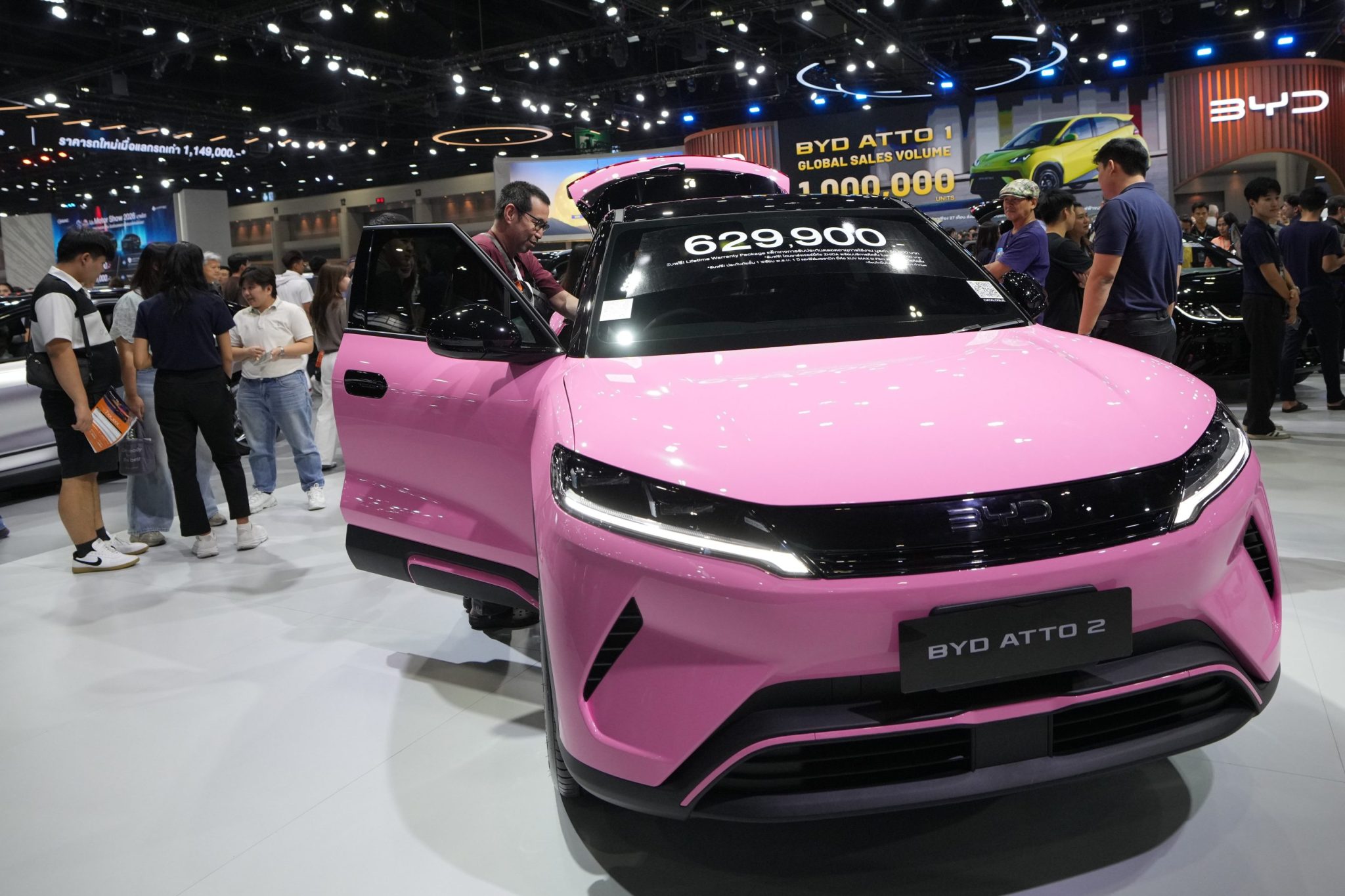
In March, Chinese car companies exported about 748,000 passenger vehicles. This is a significant increase from the 586,000 cars they sent abroad in February. The most impressive growth came from "new energy vehicles." This category includes cars that run entirely on batteries and those that use a mix of battery and gas power. Exports for these types of cars grew by 140% in just one year. Major companies like BYD and Geely are leading this push by building new factories and sales centers in different parts of the world.
Important Numbers and Facts
The data shows a clear trend in the global auto industry. Total passenger car exports rose by 82.4% year-on-year. Specifically, 363,000 new energy vehicles were shipped out in March alone. This is a 31% increase from the previous month. However, the news is not all positive for the Chinese market. Inside China, car sales fell by 19.2% last month. This marks the fifth month in a row that domestic sales have dropped. Despite this, experts believe the growth in international sales will be enough to make up for the losses at home.
Background and Context
To understand why this is happening, we have to look at both global events and China's internal economy. The conflict in the Middle East has made oil prices unpredictable. When gas becomes expensive, people start thinking seriously about buying electric cars. In the past, many drivers were slow to switch to EVs because they did not feel a sense of urgency. Now, the high cost of filling up a tank is forcing them to make a change.
At the same time, China's own economy is facing challenges. The government has reduced the financial help it used to give people to buy new cars. Also, a long-term problem in the Chinese housing market has made consumers more careful with their money. Because people in China are buying fewer cars, manufacturers have no choice but to look for customers in other countries to keep their businesses growing.
Public or Industry Reaction
Industry experts are watching these numbers closely. Many analysts believe that the current global situation is acting as a "trigger" for EV adoption. Chris Liu, a senior analyst at Omdia, noted that while the full impact of the Iran conflict is not yet visible in the March data, it is already changing how consumers think. He explained that high fuel prices are the main reason people are finally moving toward electric options.
Financial experts are also optimistic about the future of Chinese car brands. Paul Gong from UBS investment bank stated that the growth in overseas sales is more than enough to balance out the weak demand inside China. He predicts that overseas sales could grow by 20% or more by the end of the year. This suggests that Chinese brands are becoming a permanent and powerful force in the global car industry.
What This Means Going Forward
In the coming months, we can expect to see even more Chinese-made cars on the roads in Europe, Latin America, and Southeast Asia. Chinese companies are not just shipping cars; they are also building factories in these regions. This helps them avoid taxes on imported goods and makes their cars even cheaper for local buyers. As long as gas prices remain high, the demand for these affordable electric vehicles will likely stay strong.
For Western car companies, this is a major challenge. They now have to compete with Chinese brands that can produce high-quality electric cars at a much lower cost. This competition will likely lead to more choices for drivers but could also lead to trade tensions between countries as they try to protect their own local car industries.
Final Take
China has successfully turned a difficult domestic situation and a global energy crisis into a major business win. By focusing on affordable electric vehicles at a time when the world is desperate for cheaper transportation, they have secured a leading position in the future of the auto industry. The shift toward electric power is moving faster than many expected, and China is currently the one driving that change.
Frequently Asked Questions
Why are Chinese car exports growing so fast?
Exports are growing because high gas prices caused by global conflicts are making people look for cheaper electric alternatives. Chinese companies offer many affordable EV options that are attractive to international buyers.
Which companies are leading this trend?
The biggest players in this export boom are BYD and Geely. These companies are expanding their reach by building factories and selling more cars in regions like Europe and Southeast Asia.
Is the car market doing well inside China?
No, domestic sales in China have actually been falling for five months. This is due to less government support for buyers and a general slowdown in the Chinese economy, which is why companies are focusing so much on selling to other countries.



