Summary
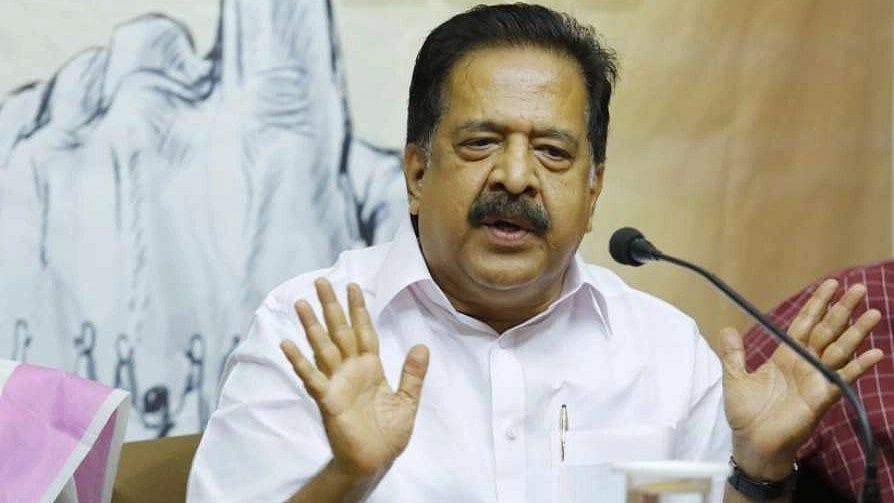
Senior Congress leader Ramesh Chennithala has voiced strong opposition to the central government's new plans for women’s reservation. He claims the proposed changes are not sincere and could hurt the unity of the country. Chennithala argues that the government is trying to rush these laws through to gain a political advantage before the upcoming elections. He believes that women should get reserved seats in the Lok Sabha immediately, without waiting for new voting boundaries to be drawn.
Main Impact
The main issue at hand is how and when women will get more seats in India's parliament. The government wants to link this reservation to a process called delimitation, which involves redrawing the borders of voting areas based on new population data. Chennithala and other critics say this link is a way to delay the actual implementation of the law for many years.
This disagreement has created a fresh divide between the ruling party and the opposition. If the government moves forward without talking to other parties, it could lead to more tension in Parliament. The opposition fears that these changes are part of a bigger plan to change how elections work, which might favor some regions over others and damage national unity.
Key Details
What Happened
During a press conference in New Delhi, Ramesh Chennithala spoke out against several new bills introduced by the government. He stated that the Congress party does not support the way the government is handling the women’s reservation issue. He called the current approach a political move rather than a real effort to help women. He specifically asked the government to stop pushing three major pieces of legislation until more discussions take place.
Important Numbers and Facts
The criticism focuses on three specific bills: the Constitution (One Hundred and Thirty-First Amendment) Bill, 2026, the Delimitation Bill, 2026, and the Union Territories Laws (Amendment) Bill, 2026. Chennithala argues that the government should use the current number of seats in the Lok Sabha to give women their 33 percent share. By waiting for the redrawing of boundaries, the reservation might not happen until after the next few election cycles.
Background and Context
To understand this debate, it is important to know what delimitation means. Every few decades, the government looks at population growth and decides if voting areas need to be changed. This ensures that each member of parliament represents a similar number of people. However, this is a very sensitive topic in India. States in the South have been successful at controlling population growth, while states in the North have seen their populations rise quickly. If seats are redrawn based only on population, Southern states worry they will lose their influence in the central government.
By linking women’s reservation to this process, the government has made a simple goal—giving women more power—much more complicated. Critics say the government is using the popular idea of women's rights to pass other laws that might be controversial. They believe the two issues should be kept separate so that women can get their reserved seats as soon as possible.
Public or Industry Reaction
Other opposition parties have joined the Congress in expressing their worries. They believe the government is acting in a hurry and not giving enough time for a proper debate. Many leaders have said that a special session of Parliament should not be used to force through major changes without a consensus. They are calling for more transparency and want the government to explain exactly how these changes will affect different states.
Chennithala has officially asked for an all-party meeting. He believes that all political groups should sit down together to find a fair way forward. He warned that making such big changes without talking to everyone could lead to a lack of trust in the democratic system.
What This Means Going Forward
The next step will be the discussion of these bills in Parliament. If the government decides to push ahead, we can expect a lot of protests and heated debates from the opposition. The outcome will determine if women get their reserved seats in the very next election or if they have to wait for another decade. There is also the risk that the debate over redrawing boundaries could create a bigger argument between the northern and southern parts of India. The government will need to decide if it wants to work with the opposition or continue with its current plan alone.
Final Take
Giving women a fair share of power in government is a goal that almost everyone agrees on. However, the way this is achieved matters just as much as the goal itself. Using this issue to pass other complex laws could lead to long delays and political fighting. For women’s reservation to be truly successful, it needs to be done in a way that is fair, clear, and brings the whole country together.
Frequently Asked Questions
Why is the opposition upset about the women's reservation bill?
The opposition is upset because the government wants to link the reservation to the redrawing of voting boundaries. They believe this is a trick to delay the law and use it for political gain.
What is delimitation?
Delimitation is the process of redrawing the boundaries of voting areas to make sure they have a fair number of people. It usually happens after a new census is taken.
What does Ramesh Chennithala want the government to do?
He wants the government to implement women's reservation immediately using the current seats in Parliament. He also wants the government to hold a meeting with all political parties to discuss the changes properly.