
Summary
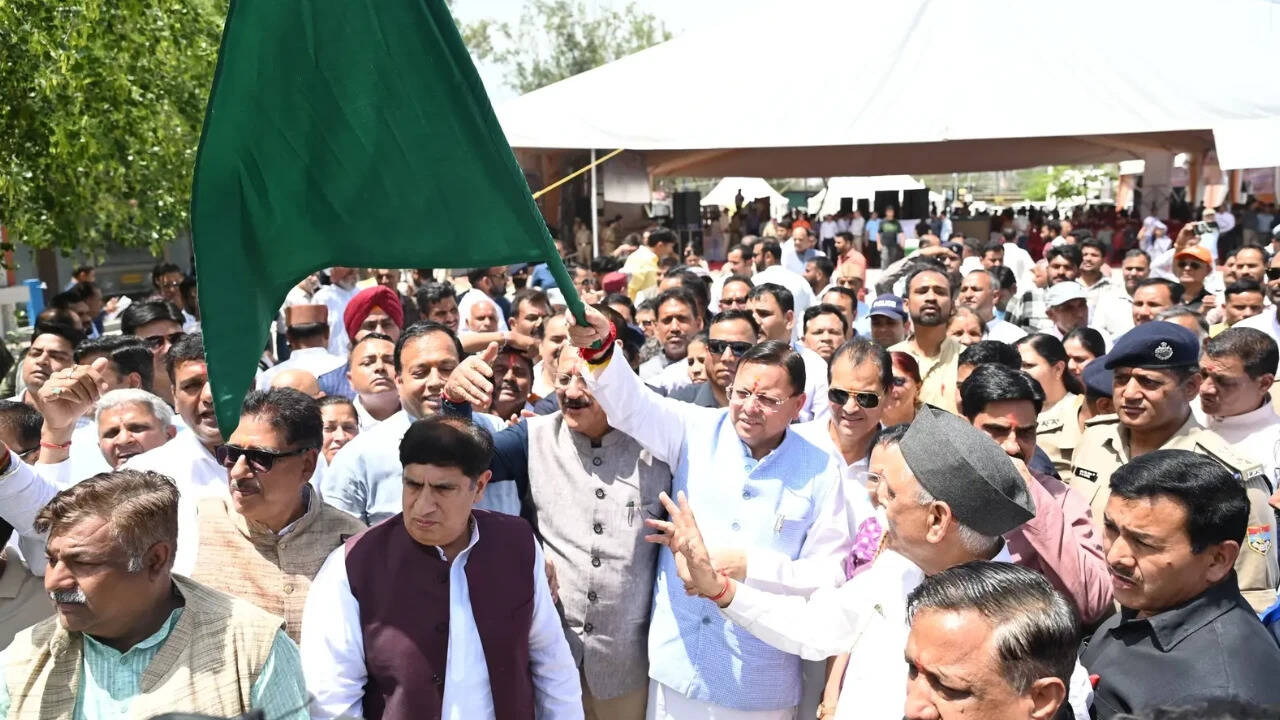
Uttarakhand Chief Minister Pushkar Singh Dhami officially started the Char Dham Yatra for 2026 during a ceremony in Rishikesh. The Chief Minister flagged off the first group of buses carrying pilgrims to the sacred Himalayan shrines. During the event, he also visited a free medical camp designed to provide health services to devotees starting their journey. This marks the beginning of one of India’s most significant religious events, which draws millions of visitors to the state every year.
Main Impact
The start of the Char Dham Yatra has a massive impact on both the spiritual and economic life of Uttarakhand. For the state government, the primary goal is to ensure the safety and comfort of thousands of people traveling through difficult mountain terrain. By flagging off the buses personally, the Chief Minister signaled that the administration is ready to handle the large crowds. This event also boosts the local economy, as thousands of businesses in the transport, hotel, and food sectors rely on this pilgrimage for their yearly income.
Key Details
What Happened
The inauguration took place in Rishikesh, which is often called the gateway to the Char Dham. Chief Minister Dhami met with pilgrims and wished them a safe journey before waving a green flag to start the bus services. He spent time talking to the travelers to understand their needs and ensure that the arrangements met their expectations. A major part of his visit included checking the medical facilities. Because the pilgrimage involves traveling to very high altitudes, health services are a top priority for the government this year.
Important Numbers and Facts
The Char Dham Yatra involves visiting four holy sites: Yamunotri, Gangotri, Kedarnath, and Badrinath. These shrines are located high in the Garhwal Himalayas. For the 2026 season, the government has set up multiple health kiosks along the route to help people who might struggle with the thin air or cold weather. Thousands of buses and private vehicles have been registered to move people across the state. The government also uses a digital registration system to track the number of visitors and prevent overcrowding at the shrine locations.
Background and Context
The Char Dham Yatra is a traditional pilgrimage that many people believe they must complete at least once in their lives. The four sites are dedicated to different Hindu deities and are located near the sources of holy rivers like the Ganga and Yamuna. Because these areas are covered in snow during the winter, the shrines only open during the warmer months, usually starting in April or May. Managing this event is a huge task because the roads are narrow and the weather in the mountains can change very quickly. In past years, the government has worked hard to improve the roads and build better shelters for those waiting to visit the temples.
Public or Industry Reaction
Local residents and business owners in Rishikesh and Haridwar have expressed relief and excitement at the start of the season. Many shopkeepers and taxi drivers say that the Yatra is their main source of money. Pilgrims at the event also shared their happiness, noting that the presence of the Chief Minister gave them confidence in the safety measures. However, some travel experts have reminded the public to stay careful and follow all health guidelines, especially those with heart or breathing problems, as the climb to Kedarnath and Yamunotri can be physically demanding.
What This Means Going Forward
As the season progresses, the state government will monitor the weather and road conditions daily. If there are heavy rains or landslides, travel may be paused to keep people safe. The focus will now shift from the starting point in Rishikesh to the high-altitude camps. The government plans to use technology to provide real-time updates to pilgrims through mobile apps and SMS alerts. This proactive approach aims to avoid the chaos that can sometimes happen when too many people arrive at a shrine at the same time. The success of this year’s Yatra will depend on how well the medical and transport teams work together over the coming months.
Final Take
The 2026 Char Dham Yatra has started with a strong focus on pilgrim welfare and organized travel. By leading the inauguration, Chief Minister Dhami has shown that the state is committed to a smooth and safe season. While the journey remains a test of faith and physical strength, the improved infrastructure and medical support are designed to make it accessible to as many people as possible.
Frequently Asked Questions
What are the four shrines in the Char Dham Yatra?
The four sacred sites are Yamunotri, Gangotri, Kedarnath, and Badrinath, all located in the Himalayan region of Uttarakhand.
Do pilgrims need to register for the journey?
Yes, the Uttarakhand government requires all pilgrims to register online or at designated centers to help manage the flow of crowds and ensure safety.
What medical help is available for travelers?
The government has set up free medical camps and health kiosks along the route to provide check-ups, oxygen, and emergency care for those affected by high altitudes.



