
Summary
The Indian Space Research Organisation (ISRO) recently shared new findings from its Chandrayaan-3 mission. The Vikram lander performed a surprise "hop" on the moon's surface, which allowed scientists to study the top layers of the lunar soil. This move was not just a technical test but a way to see how the ground reacts to rocket engines. By jumping a short distance, the lander revealed secrets about the dust and rocks near the moon's south pole.
Main Impact
The biggest impact of this experiment is the proof that India can restart a spacecraft's engines after it has already landed on the moon. This is a very difficult task because the moon has no air and the temperatures are extreme. Successfully hopping means that future missions can aim to bring soil samples back to Earth. It also showed how the "ejecta halo"—a cloud of dust kicked up by the engines—behaves in the low gravity of the moon. This data is vital for keeping future equipment safe from flying dust.
Key Details
What Happened
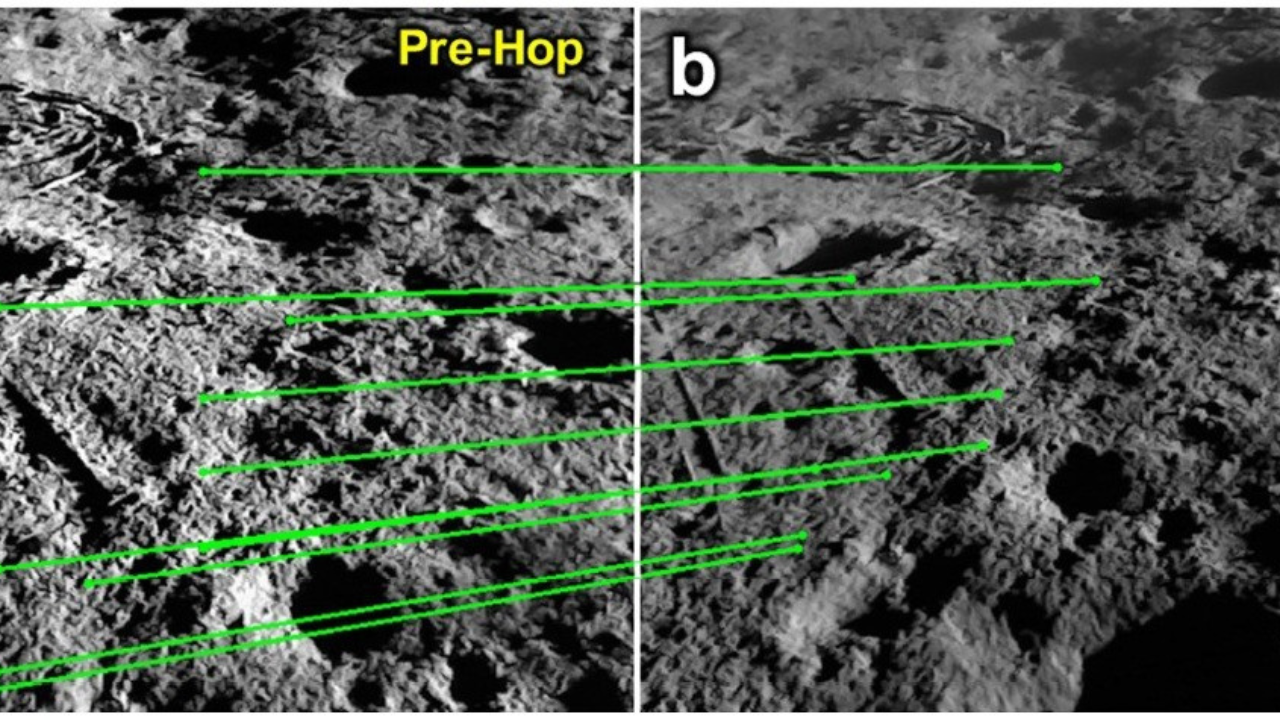
During the final stages of its mission, the Vikram lander received a command to fire its engines once more. It rose about 40 centimeters off the ground and moved sideways by about 30 to 40 centimeters. When the engines fired, they pushed away the top layer of very fine dust, known as regolith. This exposed the material underneath, which had been hidden for millions of years. Scientists used cameras and sensors to watch how this dust moved and where it settled back down.
Important Numbers and Facts
The lander reached a height of nearly half a meter during its short jump. The experiment took place near the lunar south pole, an area that is very hard to reach. ISRO confirmed that all systems on the lander worked perfectly after the second landing. The "ejecta halo" created by the engines covered an area of several square meters. This gave researchers a clear look at the different sizes of soil particles found in that specific region of the moon.
Background and Context
The moon's south pole is a place of great interest for scientists all over the world. It is believed that this area contains water ice hidden in deep, dark craters. If humans want to build a base on the moon one day, they will need this water for drinking and making rocket fuel. However, the surface there is very rough and covered in thick dust. Understanding how this dust moves when a rocket lands or takes off is essential. If the dust is too thick or sticky, it could damage solar panels or clog sensitive tools. The Vikram hop provided the first real-world test of these conditions in the south pole region.
Public or Industry Reaction
Space experts around the world have praised the move. Many did not expect ISRO to try a hop experiment so late in the mission. The success has built more confidence in India's space program. Scientists in the industry noted that the data gathered from the dust cloud is "gold" for engineers. It helps them design better landing pads and protective gear for future lunar robots. The public reaction has also been very positive, with many people excited to see India taking such bold steps in space exploration.
What This Means Going Forward
This experiment sets the stage for the next big step: Chandrayaan-4. The goal of that future mission is to land on the moon, collect rocks, and fly them back to Earth. To do that, a spacecraft must be able to take off from the lunar surface. The Vikram hop proved that the engines and the landing legs can handle the stress of a second liftoff and landing. It also tells engineers how much "kickback" to expect from the soil, which will help them build a more stable craft for the sample return mission.
Final Take
The Vikram lander's short jump was a giant leap for India's lunar plans. It turned a successful landing into a double success by providing a rare look at the moon's hidden layers. By studying how the ground moved and how the engines performed, ISRO has gained knowledge that few other countries possess. This small hop has cleared the path for much bigger missions that will eventually bring pieces of the moon back to our home planet.
Frequently Asked Questions
Why did the Vikram lander hop?
The lander hopped to test if its engines could restart on the moon and to study how the lunar dust reacts to rocket fire. This helps scientists understand the soil layers near the south pole.
How high did the lander go?
The lander rose about 40 centimeters (around 15 inches) above the surface before moving slightly to the side and landing safely again.
Why is the lunar south pole important?
The south pole is important because it may contain water ice. Knowing how the soil behaves there is key to building future moon bases and landing more advanced spacecraft.



