
Summary
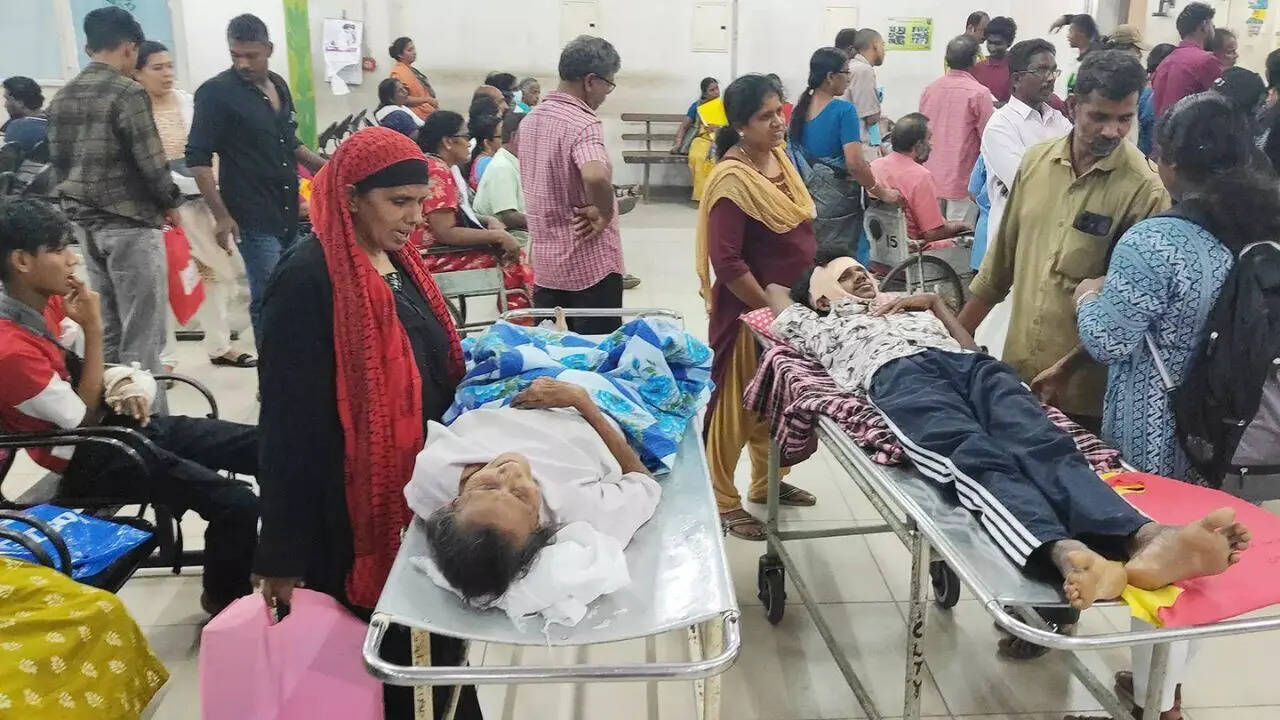
Patients under the Central Government Health Scheme (CGHS) are facing dangerous delays in getting medical approvals. While administrative files move slowly through government offices, patients with serious illnesses like cancer and heart disease are seeing their health decline. These delays are often life-threatening because medical emergencies do not wait for paperwork to be signed. The situation has raised serious concerns about the efficiency of the government’s healthcare system for its employees and pensioners.
Main Impact
The primary impact of these delays is a direct threat to human life. When a doctor recommends an urgent surgery or a specific life-saving drug, the patient must often wait for a series of official approvals before the treatment can begin. In many cases, by the time the "green light" is given, the patient's condition has worsened significantly. This gap between medical advice and administrative action is causing unnecessary suffering and, in some tragic instances, preventable deaths.
Key Details
What Happened
The CGHS system is designed to provide affordable and quality healthcare to millions of central government employees, both active and retired. However, the process for approving expensive treatments, specialized surgeries, and high-cost medicines has become a major hurdle. Patients report that their files often get stuck in a long chain of command. Each office may raise new questions or ask for more documents, which adds days or weeks to the waiting period. For a patient needing chemotherapy or a heart procedure, every day of delay reduces the chances of a successful recovery.
Important Numbers and Facts
The CGHS covers over 40 lakh (4 million) beneficiaries across India. While routine visits to local wellness centers are usually simple, the problem arises with "referrals" to private hospitals. Reports suggest that some patients have had to wait more than 30 to 45 days just to get permission for a standard surgical procedure. In cases involving rare diseases or very expensive biological drugs, the wait can extend to several months. This is particularly hard on pensioners who may not have the personal savings to pay for treatment upfront while waiting for the government to process their claims.
Background and Context
The Central Government Health Scheme was started to ensure that those who serve the country have access to medical care without financial stress. It is a contributory scheme, meaning employees pay a portion of their salary toward this benefit. Over the years, the number of private hospitals "empanelled" or partnered with CGHS has grown. However, the rules for getting treatment at these private hospitals are strict. The government wants to prevent fraud and overcharging, which is why they have a detailed approval process. While the intention is to protect public money, the current method is too slow for modern medical needs. The system still relies heavily on physical files and manual signatures in many regions, which slows down the entire process.
Public or Industry Reaction
Families of patients have expressed deep frustration and anger. Many have taken to social media to share stories of their loved ones waiting in hospital beds while officials debate over the cost of a stent or a specific medicine. Medical professionals have also voiced their concerns. Doctors note that "medical windows"—the best time to treat a disease—are often missed because of these bureaucratic hurdles. Patient advocacy groups are calling for a more "patient-centric" approach where the medical urgency is given more weight than the administrative checklist. There is a growing demand for a digital system that can track files in real-time and hold officials accountable for delays.
What This Means Going Forward
The government is under pressure to modernize the CGHS approval process. One possible solution is the use of an automated system that can approve standard treatments instantly based on a doctor's recommendation. There is also a need for an "emergency override" feature, where life-saving treatments can start immediately, and the paperwork can be finished later. If the system does not change, more patients may lose faith in the scheme and be forced to take high-interest loans to pay for private care. Improving the speed of these approvals is not just about better management; it is about saving lives.
Final Take
A healthcare system is only effective if it works when people need it most. While rules and checks are necessary to manage government funds, they should never become a barrier to basic survival. The current delays in the CGHS system show that the administrative process is out of touch with the reality of medical emergencies. Fixing this system requires more than just new rules; it requires a shift in focus to put the patient's life ahead of the paperwork.
Frequently Asked Questions
Why are CGHS approvals taking so long?
Approvals often take a long time because files must pass through multiple levels of officials. Each level may ask for extra documents or clarification, which stops the process until the patient or hospital responds.
Which treatments are most affected by these delays?
Serious conditions like cancer, heart disease, and kidney failure are most affected. These often require expensive medicines or surgeries that need special permission from higher authorities within the health department.
What can patients do if their treatment is delayed?
Patients can follow up with the Additional Director of their CGHS zone or use the online grievance portal. However, in many urgent cases, families find themselves forced to pay out of pocket to avoid waiting for the official approval.



