
Summary
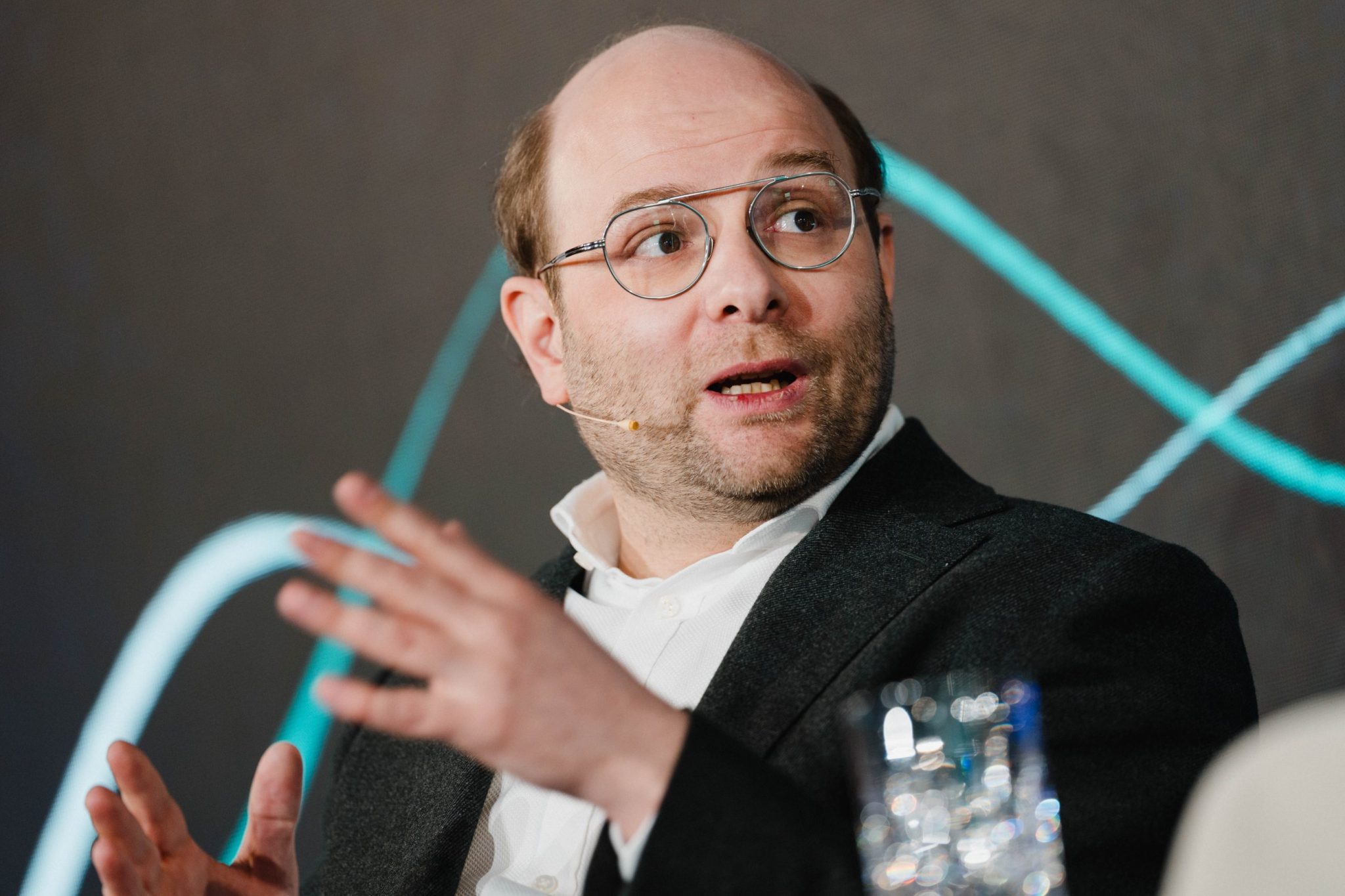
Bastian Nominacher, the co-founder of the billion-dollar AI company Celonis, learned the basics of business in his family’s bakery in Munich. By helping his father use data to predict how many bread rolls to bake, he discovered how to reduce waste and protect profit margins. Today, he applies those same lessons to some of the world's largest corporations. His company uses "process mining" to help businesses find and fix hidden inefficiencies in their daily operations.
Main Impact
The main impact of Nominacher’s work is a shift in how large companies handle their internal data. Instead of guessing where problems lie, businesses now use AI to map out every step of their work. This allows them to save millions of dollars by cutting out unnecessary steps. For many companies, this technology has become a vital tool for surviving economic challenges and supply chain disruptions.
Key Details
What Happened
Bastian Nominacher grew up in a family that has been baking for five generations. While he loved computer games, he spent much of his time helping his father digitize the bakery. They used data to track "demand spikes," especially during busy times like Christmas. By understanding exactly how many rolls customers would buy, they could avoid throwing away food. This early experience showed him that even a small business could be much more successful if it used data to improve its daily habits.
In 2011, he co-founded Celonis to bring this idea to the corporate world. The company focuses on process mining, which is a way of looking at a company's digital records to see how work actually gets done. This often reveals that the way a company thinks it works is very different from reality.
Important Numbers and Facts
Celonis has grown into a major player in the tech industry. In 2022, the company was valued at $13 billion after raising $1 billion in funding. It currently ranks third on the Fortune Future 50 list, which tracks companies with high growth potential. More than 25% of Fortune 500 companies now use Celonis software to manage their operations.
One specific example of their impact involves a large brewery. By analyzing 5,000 delivery runs per day, Celonis helped the brewery reduce its total trips by 17%. This change did more than just save money on fuel; it also cut carbon emissions by 10% and made customers happier because deliveries arrived on time.
Background and Context
The idea behind Celonis is based on a simple business rule: doing the basics well is often more important than inventing a flashy new product. Famous investors like Warren Buffett have long argued that finding small efficiencies is the best way to build a lasting business. In the past, companies tried to find these efficiencies by having consultants watch employees work. Now, AI can do this much faster and more accurately by looking at the data left behind by software systems.
This technology is becoming more important because the global economy is facing many problems. Between the effects of the pandemic, new trade taxes, and trouble in major shipping routes, supply chains are under constant stress. Companies are looking for any way to save money and keep their goods moving smoothly.
Public or Industry Reaction
The tech industry is currently debating the future of software. Some experts worry that new AI tools will make traditional software companies less valuable. However, Nominacher is not worried. He believes that as businesses use more AI "agents" to do work, they will need even better infrastructure to manage those agents. He sees the current high demand for his company’s services as proof that their approach is working.
There is also a common fear that AI will take away jobs. Nominacher argues that his tools actually help workers. He believes that instead of spending hours on boring tasks—like searching through paperwork—employees can focus on "high-value work." This includes talking to customers, solving complex problems, and creating new strategies.
What This Means Going Forward
Looking ahead, Celonis is expected to eventually become a public company through an initial public offering (IPO). However, Nominacher says there is no rush. He wants to wait until the market conditions are right and the company is fully prepared. For now, the focus remains on helping customers navigate a difficult economy.
As AI continues to change how businesses operate, the focus will likely stay on the "triple-line" effect: increasing revenue, lowering costs, and reducing environmental impact. Companies that can master these three areas will have a major advantage over their competitors.
Final Take
The story of Celonis shows that the most advanced technology often solves very old problems. Whether you are running a small bakery or a global shipping firm, success comes down to understanding your data and fixing small mistakes before they become expensive. By focusing on the basics, Nominacher has turned a simple lesson from his father’s kitchen into a multi-billion dollar tech empire.
Frequently Asked Questions
What is process mining?
Process mining is a technology that analyzes a company's digital records to show exactly how business processes are working. It helps find delays, mistakes, and areas where money is being wasted.
How does AI help in a bakery?
In a bakery, AI can look at past sales data to predict exactly how many items will be sold on a specific day. This helps the baker make enough food for customers without having too much left over at the end of the day.
Will Celonis go public soon?
The company plans to go public in the long term, but the founders have stated they have no plans to do so in the short or medium-term future. They are currently focused on growth and technology development.



