
Summary
Caravan tourism is quickly becoming a popular way to travel across India. This trend allows people to carry their living space with them, offering a unique mix of comfort and mobility. By turning vehicles into mobile homes, travelers can visit remote areas without worrying about finding a hotel. This shift is changing the local travel industry and giving people more control over their holiday schedules.
Main Impact
The rise of "homes on wheels" is changing how people think about vacations. Instead of staying in crowded tourist spots, travelers are now heading to quiet, off-beat locations. This movement is helping rural communities grow by bringing visitors to places that lack traditional hotels. It also offers a safer, more private way to travel, which has become a top priority for many families and small groups in recent years.
Key Details
What Happened
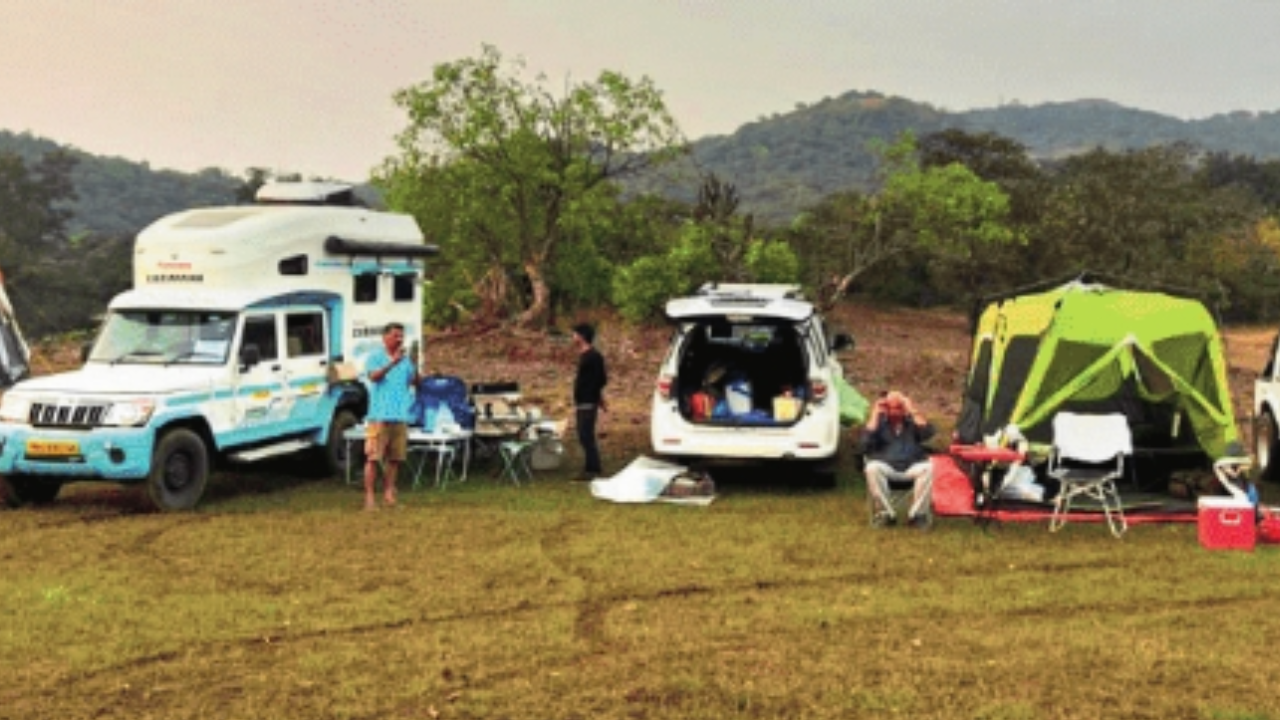
In the past, traveling in a motorhome or caravan was seen as a luxury found only in other countries. However, several Indian states have recently introduced new policies to make this easier. States like Kerala, Maharashtra, and Karnataka are leading the way by building dedicated caravan parks. These parks provide essential services like electricity, water, and waste disposal for travelers who want to park their vehicles overnight.
Startups and rental companies are also entering the market. They offer a variety of vehicles, from small vans for couples to large, luxury buses for families. These vehicles come equipped with beds, small kitchens, and bathrooms, making them fully functional homes. This allows people to work from anywhere while enjoying a view of the mountains or the sea.
Important Numbers and Facts
The cost of renting a caravan in India usually ranges from 8,000 to 25,000 rupees per day, depending on the size and luxury level. Most of these vehicles can accommodate between two and six people. To support this growth, some state governments have reduced taxes on commercial caravans to encourage more companies to start rental services. Additionally, the demand for these vehicles has seen a steady increase of nearly 20% year-on-year as more people look for private travel options.
Background and Context
The desire for freedom in travel grew significantly after the global health crisis. People wanted to explore the outdoors but were hesitant to stay in large hotels or use public transport. Caravans provided the perfect solution by acting as a "travel bubble." This trend also fits well with the growing number of remote workers who do not need to be in an office. As long as there is a stable internet connection, these travelers can stay on the road for weeks at a time.
India has a vast network of roads and diverse geography, making it a great place for road trips. However, the lack of infrastructure was a major hurdle in the past. Now, with better highways and government support, the dream of living on the road is becoming a reality for many middle-class families and young professionals.
Public or Industry Reaction
The travel industry has reacted positively to this trend. Tour operators are now creating special packages that include caravan rentals and pre-booked spots at scenic parks. Travelers have shared their excitement on social media, praising the ability to wake up in a new location every day. However, some users have pointed out that the cost can still be high for long trips. There is also a call for more standardized rules across different states to make it easier to drive a caravan across state borders without facing extra paperwork or high fees.
What This Means Going Forward
Looking ahead, the success of caravan tourism will depend on the development of more caravan parks. For this to work, there needs to be a clear map of safe places to park and recharge. We can expect to see more automobile manufacturers in India designing vehicles specifically for camping and long-term travel. If the government continues to simplify registration and permit rules, the number of private caravan owners is likely to rise. This will create a new segment in the automotive market focused on lifestyle and adventure vehicles.
Final Take
The move toward mobile homes represents a new chapter for Indian tourism. It prioritizes personal freedom and a closer connection to nature over traditional luxury. As infrastructure improves and costs become more competitive, the "home on wheels" concept will likely move from a niche hobby to a mainstream way of exploring the country. It is a practical solution for those who want to see the world without leaving the comforts of home behind.
Frequently Asked Questions
Do I need a special license to drive a caravan in India?
For most small to medium-sized caravans, a standard permanent driving license for light motor vehicles is enough. However, for very large luxury motorhomes that weigh more, a heavy vehicle license may be required.
Where can I park a caravan overnight?
It is best to park in designated caravan parks or campsites that offer security and utility hookups. While some people park in open public spaces, it is always safer to use areas approved by the local tourism board.
Are caravans safe for long-distance family travel?
Yes, modern caravans are built with safety features similar to cars and buses. They include seatbelts for passengers and secure locks for the living area. It is important to ensure all kitchen equipment is turned off and stored properly while the vehicle is moving.



