
Summary
Three people in California have been sentenced for their roles in a strange insurance fraud case. The group tried to trick insurance companies by using a person dressed in a bear costume to damage several luxury cars. They claimed that a wild animal had broken into the vehicles and caused thousands of dollars in damage. However, investigators discovered the truth after experts looked at the video evidence and found the costume in a suspect's home.
Main Impact
This case, which the California Department of Insurance named "Operation Bear Claw," shows the creative and unusual ways people try to commit insurance fraud. By filing fake claims for nearly $142,000, the group targeted multiple insurance providers. The legal outcome serves as a warning that insurance companies and state agencies use advanced tools and experts to check if claims are real. This type of fraud often leads to higher insurance costs for everyone else, making it a serious crime that officials work hard to stop.
Key Details
What Happened
The scam began when the group submitted videos to their insurance companies. These videos showed what looked like a bear moving around inside a 2010 Rolls-Royce Ghost and two different Mercedes-Benz models. The suspects claimed the "bear" had caused deep scratches on the leather seats and the interior door panels. They hoped the insurance companies would pay for the expensive repairs needed for these high-end cars.
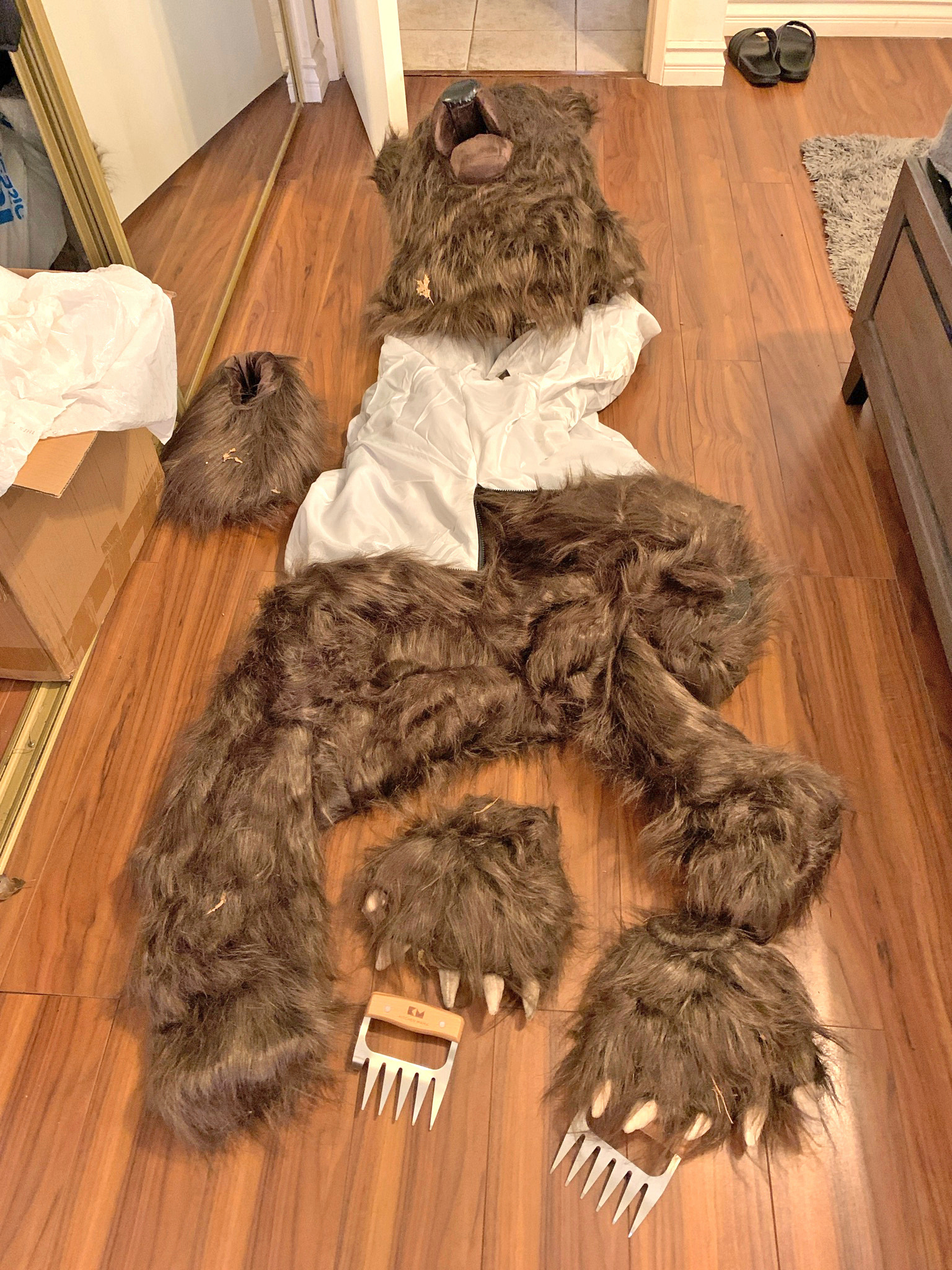
The insurance companies became suspicious and asked the California Department of Insurance to look into the matter. Detectives then asked a biologist from the California Department of Fish and Wildlife to watch the videos. The biologist quickly noticed that the "bear" did not move like a real animal. Instead, the movements were clearly those of a human wearing a furry suit. After getting a search warrant, police found the exact bear costume used in the videos at the home of the suspects.
Important Numbers and Facts
The group tried to get a total of $141,839 from the insurance companies through their fake claims. Following the investigation, two men and one woman from the Los Angeles area pleaded no contest to felony insurance fraud charges. As part of their sentence, they must participate in a weekend jail program and will be on probation. Two of the individuals were also ordered to pay back more than $50,000 in restitution to the insurance companies they tried to cheat. A fourth person involved in the case is scheduled for a court hearing later this year.
Background and Context
Insurance fraud is a major problem that costs companies and customers billions of dollars every year. In California, bear encounters are actually quite common. Real bears often wander into neighborhoods in the San Bernardino Mountains and near Lake Tahoe looking for food. They are known to break into trash cans, garages, and even cars if they smell something to eat. Because these real animal attacks happen often, the scammers thought their story would be easy to believe.
In many parts of the state, residents are used to seeing bears in their backyards or even in their swimming pools. By using a real-life problem as a cover for their crime, the group hoped to avoid extra questions. However, they did not account for the fact that experts can easily tell the difference between how a 400-pound wild animal moves and how a person in a costume moves.
Public or Industry Reaction
The insurance industry and local authorities have reacted with a mix of surprise and seriousness. While the idea of a "bear" in a suit might seem funny to some, officials stressed that insurance fraud is a felony. The California Department of Insurance used this case to highlight the importance of their fraud division. They pointed out that even "creative" scams are usually caught because the evidence does not match the reality of how nature works. Many people online found the story hard to believe, but the photos of the scratches and the costume provided by the state made the evidence clear.
What This Means Going Forward
This case will likely lead insurance companies to be even more careful when they receive claims involving animal damage. They may start asking for more proof or using more animal experts to review video footage. For the public, it is a reminder that lying on an insurance claim can lead to jail time and heavy fines. The state of California continues to use special task forces like the one in "Operation Bear Claw" to find and stop fraud before the money is paid out. This helps keep the system fair for honest car owners who actually suffer damage from real wildlife.
Final Take
Trying to trick an insurance company with a bear suit might sound like a plot from a movie, but the legal consequences are very real. The failure of this scam shows that even the most unusual plans can be taken down by simple expert observation and basic police work. In the end, the suspects traded a chance at a big payout for a criminal record and thousands of dollars in fines.
Frequently Asked Questions
How did the police find out the bear was fake?
A biologist watched the video and saw that the movements were not natural for a bear. Later, detectives found the bear costume inside the suspects' home during a search.
What kind of cars were damaged in the scam?
The group used a Rolls-Royce Ghost and two Mercedes-Benz vehicles to stage the fake bear attacks.
What was the punishment for the people involved?
Three people were sentenced to a weekend jail program and probation. They were also ordered to pay over $50,000 back to the insurance companies.



