
Summary
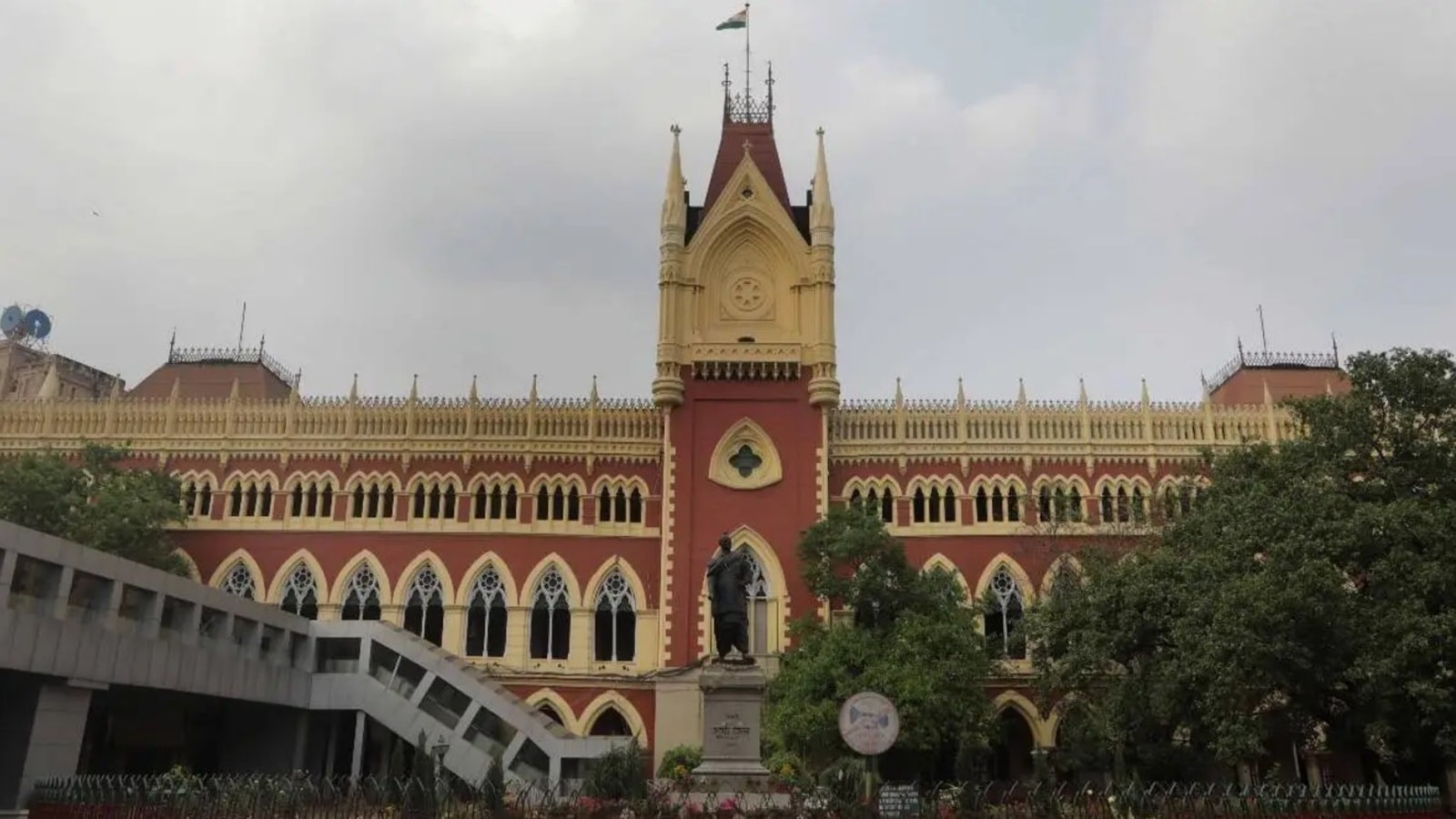
The Calcutta High Court has issued a temporary stop on a notice from the Election Commission regarding the identification of "troublemakers." The court ruled that the commission made a mistake by giving a broad, general order that did not follow specific legal steps. This decision is important because it protects the rights of citizens during the election period, ensuring that people are not unfairly labeled or restricted without proper evidence. The ruling highlights the need for a balance between maintaining peace and following the law.
Main Impact
The primary impact of this court order is a change in how election officials and police handle security lists. By stopping the "blanket direction," the court has sent a message that the Election Commission cannot use a one-size-fits-all approach to label individuals as potential threats to peace. This prevents local authorities from creating lists of people based on vague reasons or political pressure. For the average citizen, this means more protection against being wrongly targeted by the police during the high-pressure weeks leading up to a vote.
Key Details
What Happened
The case reached the Calcutta High Court after concerns were raised about how the Election Commission was identifying people it called "troublemakers." In many election cycles, the commission asks local police to find people who might cause violence or disrupt the voting process. However, the court found that the current notice was too wide in its scope. The judge noted that the commission "erred," which means they made a legal mistake by not providing specific guidelines or following the standard legal process for such actions.
The court issued what is known as an "interim stay." This is a legal term that means the order is paused for now. While this stay is in place, the Election Commission cannot act on that specific notice. The court wants to ensure that any action taken against a citizen is based on actual facts and past behavior, rather than a general suspicion or a broad administrative order.
Important Numbers and Facts
While the exact number of people on these lists changes, thousands of individuals are often affected by "troublemaker" notices during major elections. Under normal rules, people on these lists might be asked to sign a bond or promise to stay on good behavior, sometimes involving a financial penalty if they break that promise. The court's intervention stops this process from happening in a "blanket" way, where large groups of people are added to lists without individual reviews of their history.
Background and Context
In India, elections are massive events that require a lot of security. The Election Commission has the power to oversee the police and local government to make sure the voting is fair and peaceful. One of their common tools is the "troublemaker" list. Usually, this list includes people who have a history of criminal activity or those who have caused problems at polling stations in the past.
However, there is often a conflict between these security measures and the rights of the people. If the police put someone on a list without a good reason, it can stop that person from participating in the election or even lead to them being detained without a crime being committed. The Calcutta High Court's role is to act as a referee, making sure that the Election Commission uses its power correctly and does not violate the basic rights of the public.
Public or Industry Reaction
Legal experts have welcomed the decision, noting that it reinforces the importance of the rule of law. Many lawyers argued that the term "troublemaker" is not clearly defined in the main law books, which allows it to be misused. By stepping in, the court has forced a more careful look at how these terms are used.
Political groups have had mixed reactions. Some parties, who often claim their workers are unfairly targeted by the police, see this as a victory for fairness. On the other hand, some officials concerned with security worry that this might make it harder to control violent groups during the actual voting days. Despite these concerns, the general consensus is that the court is right to demand more specific evidence before someone's freedom is limited.
What This Means Going Forward
Going forward, the Election Commission will likely have to rewrite its instructions to local authorities. Instead of a broad order, they will need to provide a clear set of rules on who can be labeled a troublemaker. This will probably require the police to show actual evidence, such as past criminal records or specific reports of threats, before they can take action against an individual.
The case will continue in court as the judges look deeper into the legalities of the commission's powers. This ruling could set a precedent for other states in India. If the Calcutta High Court eventually decides that the entire process was flawed, it could change how every election in the country is managed from a security standpoint. It forces the government to be more transparent about how it identifies potential threats to the peace.
Final Take
The court's decision is a reminder that even during the most important democratic events, the law must be followed strictly. While keeping the peace is a top priority, it cannot be done by ignoring the rights of individuals. By stopping the blanket notice, the court has ensured that the process of identifying "troublemakers" remains fair, specific, and based on facts rather than general assumptions. This move strengthens the trust the public has in both the legal system and the election process.
Frequently Asked Questions
What is a "troublemaker" notice in an election?
It is a notice used by election officials and police to identify people who might cause violence or disrupt the voting process. These people are often monitored or asked to sign a bond to ensure they stay on good behavior.
Why did the Calcutta High Court stop the notice?
The court felt the notice was too broad and did not follow the correct legal procedures. It ruled that the Election Commission cannot give a general order to label people without looking at each case individually.
Does this mean there will be no security during the election?
No, security will still be in place. The ruling only means that the police and election officials must have specific reasons and follow the law when they identify and target individuals as potential troublemakers.



