
Summary
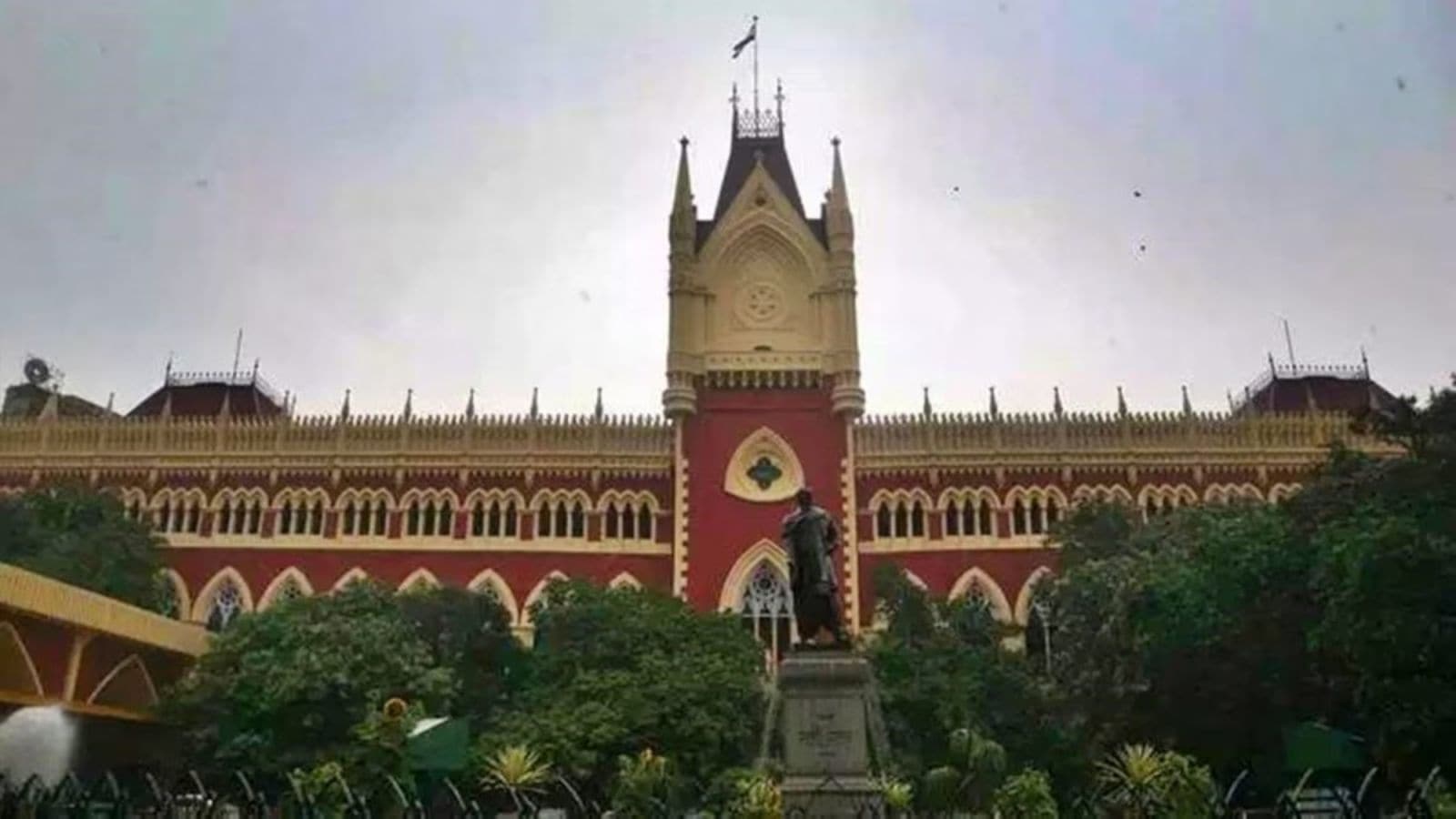
The Calcutta High Court has officially dismissed a legal challenge against the Election Commission of India regarding the transfer of top officials in West Bengal. The court ruled that the Commission has the full authority to move Indian Administrative Service (IAS) and Indian Police Service (IPS) officers to ensure a fair voting process. This decision comes after a petition claimed the state was being treated unfairly compared to other parts of the country. The judges found no evidence of bias and stated that the Commission was simply doing its job to maintain order during the election season.
Main Impact
This ruling is a major win for the Election Commission of India (ECI) as it prepares for the upcoming polls. By dismissing the plea, the court has confirmed that the ECI’s power to manage government staff during an election is very strong. This means the transfers of high-ranking police and civil officers will stand, and the state government cannot block these changes. For the public, this decision suggests that the legal system prioritizes the neutrality of the election process over the preferences of state administrations. It also prevents legal delays that could have disrupted the planning and security arrangements for the voting days.
Key Details
What Happened
A Public Interest Litigation (PIL) was filed in the Calcutta High Court to stop the Election Commission from transferring several key officers in West Bengal. The petitioner argued that the Commission was targeting the state and acting in a way that was unfair to the local government. However, the bench, led by Chief Justice T.S. Sivagnanam and Justice Hiranmay Bhattacharyya, disagreed with these claims. The court noted that the Election Commission has a constitutional duty to make sure no official can influence the outcome of a vote. They explained that moving officers is a standard procedure used across the country to prevent any local bias or political pressure from affecting the fairness of the polls.
Important Numbers and Facts
The case involved the transfer of several high-profile positions, including the Director General of Police (DGP) and various District Magistrates (DMs). In many instances, the Election Commission orders these changes immediately after an election schedule is announced. The court pointed out that these actions are not unique to West Bengal. Similar transfers have happened in other states like Gujarat, Bihar, and Uttar Pradesh during their respective election cycles. The judges emphasized that the "Model Code of Conduct" gives the Commission the right to oversee all administrative movements to keep the playing field level for all political parties.
Background and Context
In India, the Election Commission takes control of many administrative functions once an election is announced. This period is governed by the Model Code of Conduct. One of the most important tools the Commission uses is the power to transfer officers who have been in one position for a long time or those who might be seen as too close to the current state government. This is done to make sure that the police and local officials remain neutral while people cast their votes. In West Bengal, there has often been tension between the state government and the central Election Commission over who should lead the police force during these times. This legal battle was the latest attempt to challenge that central authority.
Public or Industry Reaction
The reaction to the court's decision has been mixed. Supporters of the ruling say it is a necessary step to protect the integrity of the democratic process. They believe that without these transfers, local officials might feel pressured to help the party currently in power. On the other hand, some supporters of the state government felt that the transfers were an interference in the state's right to manage its own staff. However, legal experts have noted that the court’s use of the phrase "no step-motherly treatment" was a clear signal. It meant the court found no proof that West Bengal was being singled out for harsher rules than any other state in India.
What This Means Going Forward
With the legal challenge out of the way, the new officers appointed by the Election Commission will continue their work. These officials are now responsible for maintaining law and order and making sure the voting booths are safe. The ruling also sets a clear example for future elections. It shows that the courts are unlikely to interfere with the administrative decisions of the Election Commission unless there is a very clear case of breaking the law. For the state of West Bengal, this means the current administrative setup will remain in place until the election process is completely finished and the results are announced.
Final Take
The Calcutta High Court has sent a strong message that the fairness of elections is more important than administrative disputes. By supporting the Election Commission, the court has ensured that the rules for voting remain consistent across the country. This decision helps maintain public trust in the electoral system, showing that independent bodies have the power to act without being blocked by local political interests.
Frequently Asked Questions
Why does the Election Commission transfer officers?
The Commission transfers officers to ensure they remain neutral. This prevents any official from using their position to help a specific political party during the election period.
What did the court mean by "step-motherly treatment"?
The court used this phrase to say that West Bengal was not being treated unfairly or differently from other states. The same rules for officer transfers are applied all over India.
Can the state government refuse these transfers?
No, once the election period begins and the Model Code of Conduct is in place, the state government must follow the directions and transfer orders issued by the Election Commission.



