
Summary
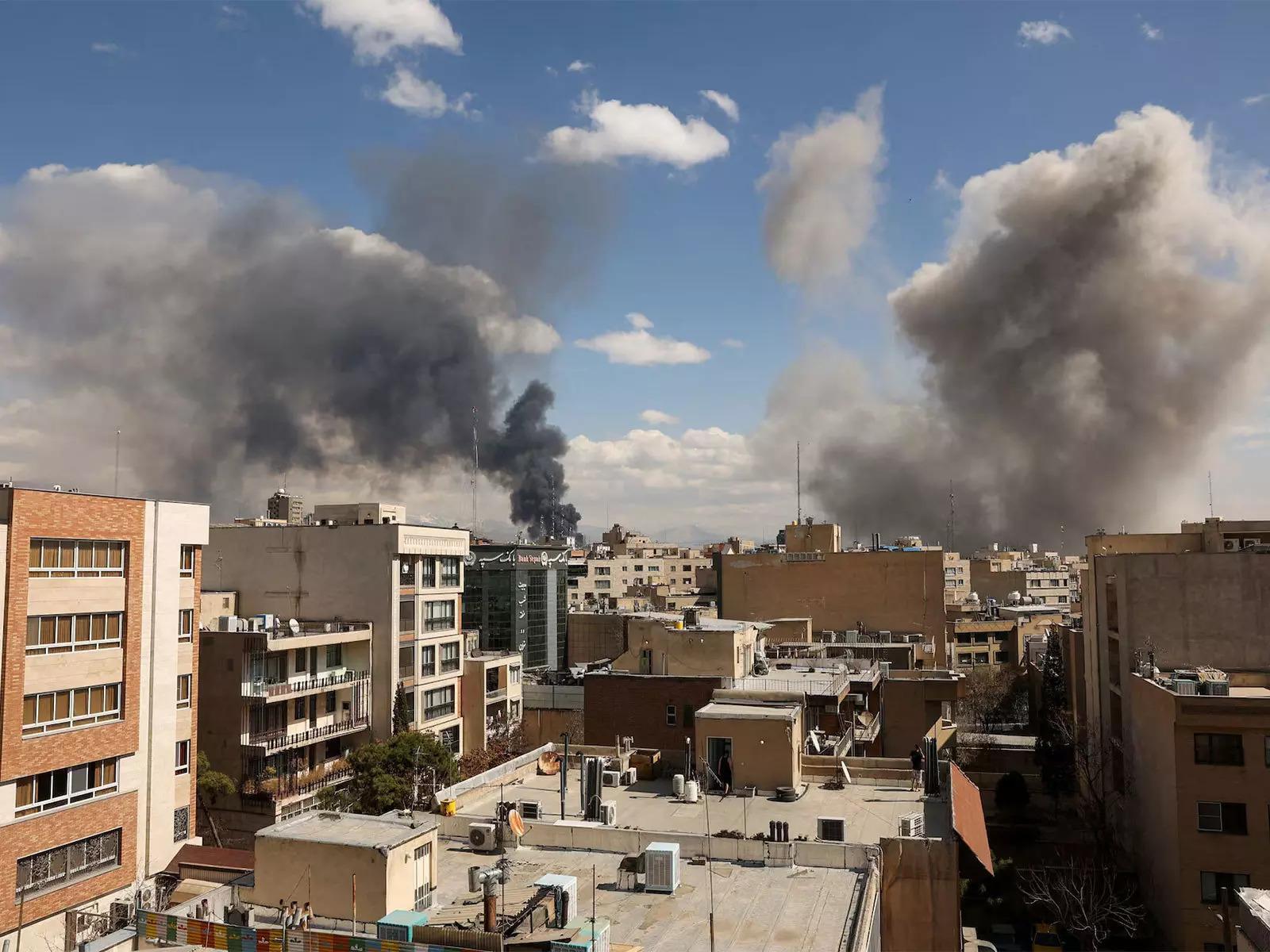
A projectile has reportedly struck the Bushehr nuclear power plant in Iran, marking a dangerous escalation in Middle East tensions. This event has put the international community on high alert due to the risks associated with nuclear facilities. In response to the growing crisis, Saudi Arabia has announced it will host a meeting of Arab and Islamic ministers. These leaders aim to discuss regional security and find ways to prevent the conflict from spreading further.
Main Impact
The strike on the Bushehr facility is a major turning point in the ongoing friction between Iran, Israel, and the United States. Any attack on a nuclear site carries the risk of environmental damage and radioactive leaks, though early reports focus on structural impact. This event has caused immediate instability in global energy markets and has forced neighboring countries to rethink their security plans. The primary fear is that this could lead to a direct and open war that involves multiple nations across the region.
Key Details
What Happened
Early reports indicate that a projectile hit the site of the Bushehr nuclear power plant, located on Iran’s southern coast. While the exact source of the projectile has not been officially confirmed, the event follows weeks of rising military actions in the region. Iranian officials are currently assessing the damage to the facility. Security around other sensitive sites in Iran has been tightened significantly following the incident.
Important Numbers and Facts
The Bushehr plant is Iran’s only operational nuclear power station and produces about 1,000 megawatts of electricity. It is a critical part of the country’s energy grid. The facility was built with significant help from Russia and has been a point of debate for years. International monitors from the IAEA (International Atomic Energy Agency) have frequently visited the site to ensure it is used for peaceful purposes. This strike is the first time such a major nuclear energy site has been directly hit during the current wave of regional violence.
Background and Context
To understand why this matters, it is important to look at the history of the region. For a long time, Israel and Iran have been involved in a "shadow war." This means they often attacked each other through third parties or via cyberattacks. Israel has often stated that it will not allow Iran to develop nuclear weapons, while Iran maintains that its nuclear program is only for making electricity and medical supplies. The United States has tried to use sanctions and diplomacy to control the situation, but these efforts have faced many challenges. Recently, the fighting has moved from the shadows into direct military strikes, making the situation much more dangerous for everyone involved.
Public or Industry Reaction
The reaction from global leaders has been swift. Many countries have called for "maximum restraint" to avoid a total war. Saudi Arabia’s decision to host a summit shows that regional powers are deeply worried about their own safety. Oil prices saw a quick jump after the news broke, as traders fear that shipping routes in the Persian Gulf might be closed or disrupted. Human rights groups and environmental experts have also expressed deep concern about the potential for a radiation leak, which could affect millions of people living near the Gulf.
What This Means Going Forward
The next few days will be critical. If Iran decides to retaliate with a large-scale attack, the conflict could grow into a full-scale war. The meeting in Saudi Arabia will be a key moment for diplomacy. These ministers will try to create a unified plan to pressure both sides to stop the violence. The United States will likely face pressure to either step in more forcefully or to find a way to calm the situation through back-channel talks. Everyone is watching to see if the damage at Bushehr leads to any long-term environmental issues, which would change the nature of the crisis from a military one to a humanitarian one.
Final Take
The strike on the Bushehr nuclear plant is a clear sign that the old rules of the conflict have changed. Attacking a nuclear site is a move that brings the entire region to the edge of a much larger disaster. While diplomatic efforts in Saudi Arabia offer a small hope for peace, the risk of further military action remains very high. The world is now waiting to see if leaders can choose words over weapons before the situation becomes impossible to control.
Frequently Asked Questions
Is there a radiation leak at the Bushehr plant?
Current reports have not confirmed any radiation leaks. Officials are still checking the site to see how much damage the projectile caused to the reactor's safety structures.
Why is Saudi Arabia hosting a meeting?
Saudi Arabia wants to prevent the war from spreading to its own borders. By bringing Arab and Islamic ministers together, they hope to find a diplomatic solution and show a united front against further violence.
What is the role of the United States in this conflict?
The United States is a close ally of Israel but also wants to keep the region stable to protect global oil supplies. The U.S. is currently trying to balance military support with diplomatic pressure to prevent a larger war.

