
Summary
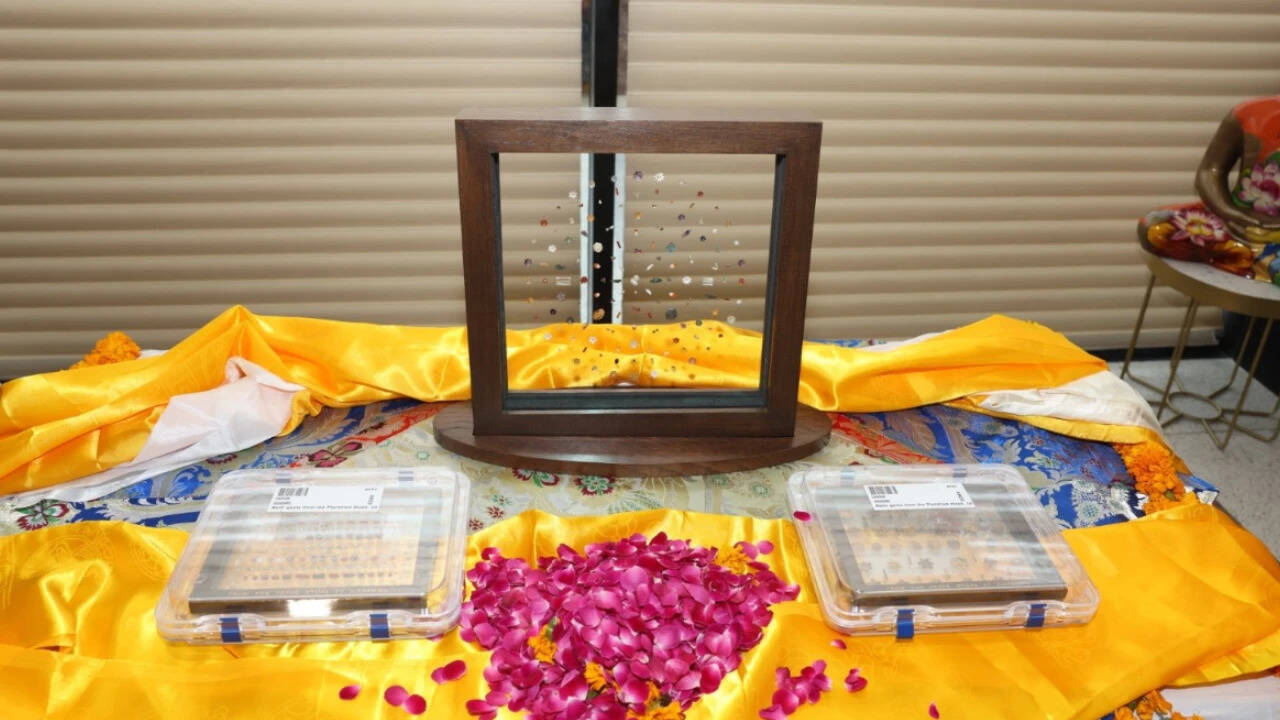
For the first time in India’s modern history, the sacred relics of Lord Buddha are being made available for public viewing in a special setting. These holy remains, which are usually kept under tight security in museum vaults, hold immense spiritual value for millions of people worldwide. This decision marks a significant change in how the country shares its ancient heritage with the general public. By opening this exhibition, the government aims to provide a rare opportunity for followers and history enthusiasts to see these artifacts up close.
Main Impact
The decision to display these relics has a deep impact on both religious and cultural levels. For Buddhist followers, seeing these relics is a once-in-a-lifetime spiritual event. It strengthens India’s position as the center of the Buddhist world, as the country is the birthplace of this global faith. Beyond religion, the move is expected to boost cultural tourism significantly. Travelers from across Asia and the rest of the world are likely to visit to witness these rare items, which helps the local economy and promotes international friendship.
Key Details
What Happened
The Indian government, through the Ministry of Culture, has organized a public display of the sacred Kapilvastu relics. These relics are bone fragments of Gautama Buddha that were found over a century ago. For many years, they have been housed at the National Museum in New Delhi. While they have been sent abroad for special exhibitions in countries like Thailand, Mongolia, and Sri Lanka, a large-scale public viewing within India is a new and historic step. The exhibition is designed to be respectful and secure, allowing people to pay their respects in a peaceful environment.
Important Numbers and Facts
The relics were discovered in 1898 during an excavation in Piprahwa, located in the Siddharthnagar district of Uttar Pradesh. This site is believed to be the ancient city of Kapilvastu. The items are over 2,500 years old, dating back to the time of Buddha’s passing. Because of their age and historical importance, they are classified under the "AA" category of antiquities. This means they are considered so precious that they are rarely moved and require the highest level of protection. In previous years, when these relics traveled to Thailand, millions of people stood in long lines just to catch a glimpse of them for a few seconds.
Background and Context
To understand why this event is so important, one must look at the history of Lord Buddha. After his death, his remains were divided into eight parts and given to different groups of followers. These groups built monuments called stupas to house the remains. Over time, many of these sites were lost or hidden. The discovery at Piprahwa was a major moment for archaeology because it confirmed the location of one of these original portions. In the modern era, India has used these relics as a way to build "soft power" and better relationships with other nations. Sharing these holy objects is seen as a gesture of peace and goodwill.
Public or Industry Reaction
The response from the public and religious leaders has been very positive. Many Buddhist monks have expressed their gratitude, stating that this move brings the teachings of Buddha closer to the people. Tourism experts believe this will lead to a rise in "pilgrimage tourism," where people travel specifically for religious reasons. They suggest that India could become a much bigger destination for travelers from Japan, South Korea, and Vietnam. Some historians have also praised the move, saying that history should not be locked away in basements but should be shared with the world to educate future generations.
What This Means Going Forward
This event could be the start of a new trend where India regularly displays its most precious historical treasures. It shows that the government is more confident in its security and museum management. In the future, we might see more "relic diplomacy," where India sends these items to other countries to improve political and cultural ties. However, there are also challenges. Keeping such old and fragile items safe from the weather and large crowds requires constant care. Experts will be watching closely to see how the relics handle the public exposure and if more such events can be planned safely.
Final Take
The public display of Buddha’s relics is a powerful reminder of India’s deep historical roots. It offers a rare moment of peace and reflection in a fast-moving world. By bringing these sacred items out of the shadows, the country is not just showing off its past, but also sharing a message of harmony that is still relevant today. This event will likely be remembered as a major moment in India's cultural history, bridging the gap between ancient tradition and modern society.
Frequently Asked Questions
What are the Buddha relics?
The relics are small bone fragments believed to be the physical remains of Gautama Buddha. They were recovered from ancient burial sites and are considered holy by millions of people.
Where were these relics found?
These specific relics were found in 1898 at a site called Piprahwa in Uttar Pradesh, India. Archaeologists believe this site was part of the ancient city of Kapilvastu, where Buddha spent his early life.
Why are they rarely shown to the public?
They are classified as "AA" category artifacts, meaning they are extremely fragile and valuable. Because of their age and importance, they are usually kept in high-security museum vaults to protect them from damage or theft.



