
Summary
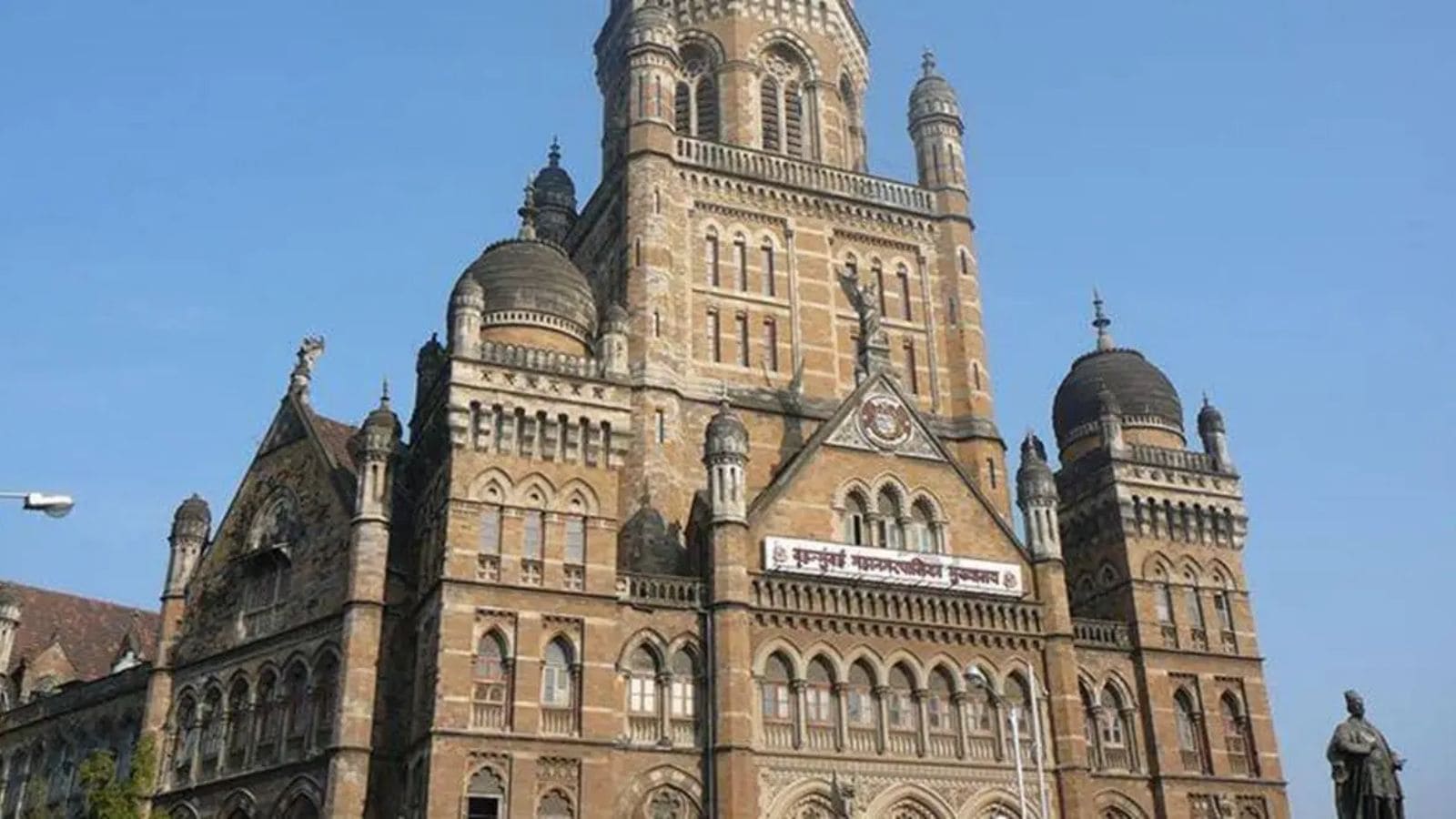
The Brihanmumbai Municipal Corporation (BMC) has officially released a list of 164 schools in Mumbai that are operating without proper legal recognition. A large number of these schools are located in the Govandi and Mankhurd areas, which fall under the M-East administrative ward. This annual list is published to warn parents against enrolling their children in institutions that do not meet government standards. By identifying these schools, the civic body aims to protect students from future academic problems caused by invalid certificates.
Main Impact
The most significant impact of this announcement is on the families living in low-income neighborhoods. Many parents in areas like Govandi and Mankhurd rely on these private schools because they are often closer to their homes or seem more affordable than larger institutions. However, studying in an unrecognized school means that the education the child receives is not legally valid. This can lead to serious issues when a student tries to move to a recognized high school or apply for higher education, as their school-leaving certificates may not be accepted by the state education board.
Key Details
What Happened
The education department of the BMC conducts regular surveys to ensure that all private schools follow the rules set by the Right to Education (RTE) Act. During the latest check, 164 schools were found to be operating without the mandatory "Certificate of Recognition" from the state government. These schools have failed to meet specific requirements regarding infrastructure, teacher qualifications, and safety standards. The BMC has now made this list public to ensure transparency before the new academic year begins.
Important Numbers and Facts
Out of the 164 schools identified, the highest concentration is in the M-East ward, which includes Govandi and Mankhurd. This area alone often accounts for a large portion of the city's unauthorized educational centers. According to the law, schools that continue to operate without recognition can face a one-time fine of up to ₹1 lakh. If they refuse to shut down after receiving a notice, they can be fined an additional ₹10,000 for every single day they remain open. The BMC has also urged parents to check the official list on the civic body’s website before paying any admission fees.
Background and Context
In India, the Right to Education (RTE) Act makes it mandatory for every school to get a certificate of recognition from the local government. This certificate proves that the school has enough classrooms, a playground, clean drinking water, separate toilets for boys and girls, and qualified teachers. Many small private schools start operating in rented rooms or small buildings without applying for these permissions. While they provide a service in crowded areas where government schools might be full, they do not follow the legal safety and quality rules required by the state.
Public or Industry Reaction
Education activists have expressed concern over the high number of illegal schools in the M-East ward. They argue that the government has not built enough municipal schools in these growing neighborhoods, which forces parents to choose these unauthorized private options. On the other hand, some parents feel trapped because they want their children to study in English-medium schools, and many of the unrecognized schools offer English instruction at a low cost. Community leaders are calling for the BMC to not just shut these schools down, but to help them improve their standards so they can become legally recognized.
What This Means Going Forward
The BMC is expected to issue formal closure notices to these 164 schools. For schools that have been on the list for multiple years, the civic body may take stricter legal action or involve the police to ensure they stop admitting new students. Parents who currently have children in these schools are advised to look for nearby municipal schools or recognized private schools to ensure their child's academic record remains valid. The government may also face pressure to increase the capacity of official schools in the Govandi-Mankhurd belt to accommodate the students who will need to move.
Final Take
Ensuring that every child has access to a safe and legal school is a major responsibility of the city government. While the list of 164 schools highlights a gap in the education system, it also serves as a necessary shield for parents. Choosing a recognized school is the only way to guarantee that a child's hard work in the classroom will be officially counted by the state. Moving forward, the focus must remain on improving school quality across all wards so that no parent feels forced to choose an illegal institution for their child's future.
Frequently Asked Questions
How can I check if a school is recognized by the BMC?
Parents can visit the official BMC website or the local ward office to see the list of approved and unrecognized schools. It is important to ask the school management to show their "Certificate of Recognition" before taking admission.
What happens to students already studying in these schools?
Students in unrecognized schools are usually advised to transfer to a nearby recognized school. The BMC often helps facilitate these transfers to ensure that children do not lose a year of their education.
Why are there so many unrecognized schools in Govandi and Mankhurd?
These areas have a very high population density and a shortage of official government schools. This creates a high demand for education, which leads to many small, private, and unauthorized schools opening to fill the gap.



