
Summary
The Brihanmumbai Municipal Corporation (BMC) has asked experts from the Indian Institute of Technology (IIT) and Mumbai University (MU) to study how tree roots and underground utility lines can share space in Mumbai. The city often faces problems where growing tree roots damage water pipes, sewage lines, and cables. This study aims to find practical ways to avoid such damage while keeping the city’s trees healthy. The findings could change how Mumbai plans its roads and underground networks in the future.
Main Impact
Mumbai’s tree roots frequently break or block underground utilities, leading to water leaks, sewage overflows, and power outages. This not only costs the BMC money for repairs but also causes daily trouble for residents. The new study hopes to create a balance between protecting the city’s green cover and ensuring smooth running of essential services. If successful, it could serve as a model for other Indian cities facing similar issues.
Key Details
What Happened
The BMC has officially asked IIT Bombay and Mumbai University to research the conflict between tree roots and underground utilities. The study will look at how roots grow, what types of trees cause the most problems, and how deep utility lines should be placed. The goal is to develop guidelines that help city planners and gardeners work together.
Important Numbers and Facts
Mumbai has over 30 lakh (3 million) trees along its roads and in public spaces. The BMC spends crores of rupees every year repairing damage caused by roots to water and sewage pipes. In many areas, old trees with large roots have lifted pavements and broken drainage lines. The study is expected to take about six months to complete, with initial results due by early 2027.
Background and Context
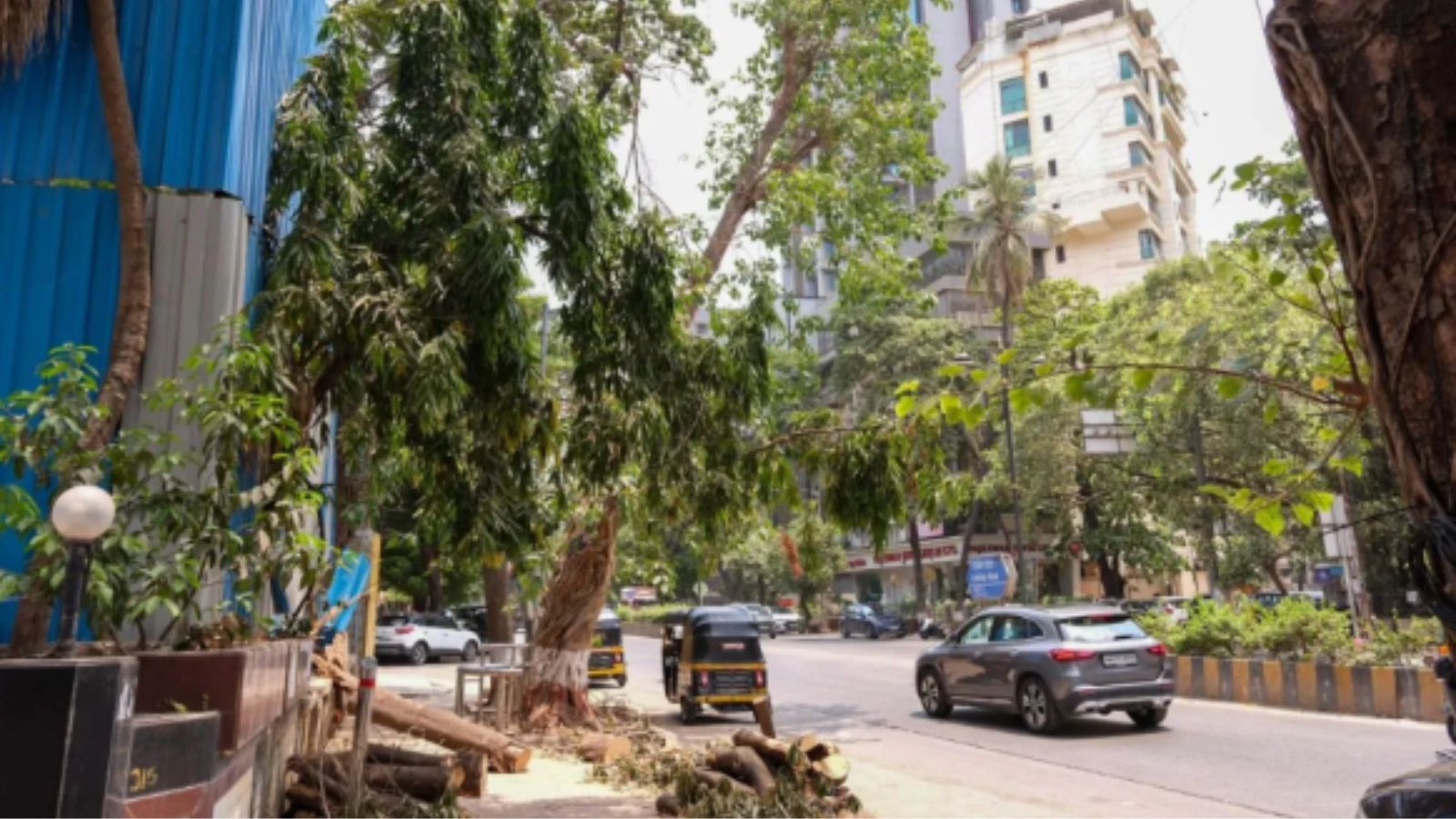
Mumbai is a crowded city with limited space. Trees are planted along roads for shade and clean air, but the same roots that keep them alive also grow into underground pipes. Over time, roots can crack concrete, block sewage flow, and even damage fiber optic cables. In the past, the BMC often cut down trees or trimmed roots heavily to fix utility problems, which hurt the environment. This study is an attempt to find a smarter solution that does not harm trees or disrupt services.
Public or Industry Reaction
Environmental groups have welcomed the move, saying it shows the BMC is thinking about long-term solutions. Some residents, however, are worried that the study might take too long while daily problems continue. Utility companies have also shown interest, hoping the research will reduce their repair costs. Experts from IIT and MU have said they will focus on simple, low-cost methods that can be used across the city.
What This Means Going Forward
If the study produces clear guidelines, Mumbai could see changes in how new roads and utility lines are built. For example, pipes might be placed deeper or wrapped in root-resistant materials. Tree planting could also be planned more carefully, with species that have less aggressive roots chosen for certain areas. The BMC may also start regular checks to catch root problems early. Other cities like Delhi and Bengaluru are watching this project closely, as they face similar challenges.
Final Take
Mumbai’s trees and its underground utilities do not have to be enemies. This study is a smart step toward making them live together peacefully. With expert help from IIT and MU, the BMC has a real chance to fix a long-standing problem without sacrificing the city’s green cover. The real test will be turning the research into action that benefits both nature and daily life.
Frequently Asked Questions
Why do tree roots damage underground pipes?
Tree roots naturally grow toward moisture and nutrients. Underground pipes often leak small amounts of water, which attracts roots. Over time, roots can grow into cracks or joints in the pipes, causing blockages or breaks.
Will the study lead to cutting down trees?
No. The main goal of the study is to find ways to protect both trees and utilities. The BMC wants to avoid cutting trees and instead use better planning and materials to prevent root damage.
How long will the study take?
The BMC expects the study to be completed in about six months. Initial findings and recommendations could be available by early 2027. After that, the city will need time to implement the suggested changes.



