
Summary
A new report from the Praja Foundation has revealed a serious crisis in Mumbai’s municipal school system. The data shows that 57% of staff positions in primary schools run by the Brihanmumbai Municipal Corporation (BMC) are currently vacant. This massive shortage of teachers and support staff is making it difficult for schools to function properly. As a result, many students are leaving these schools, raising major concerns about the future of public education in the city.
Main Impact
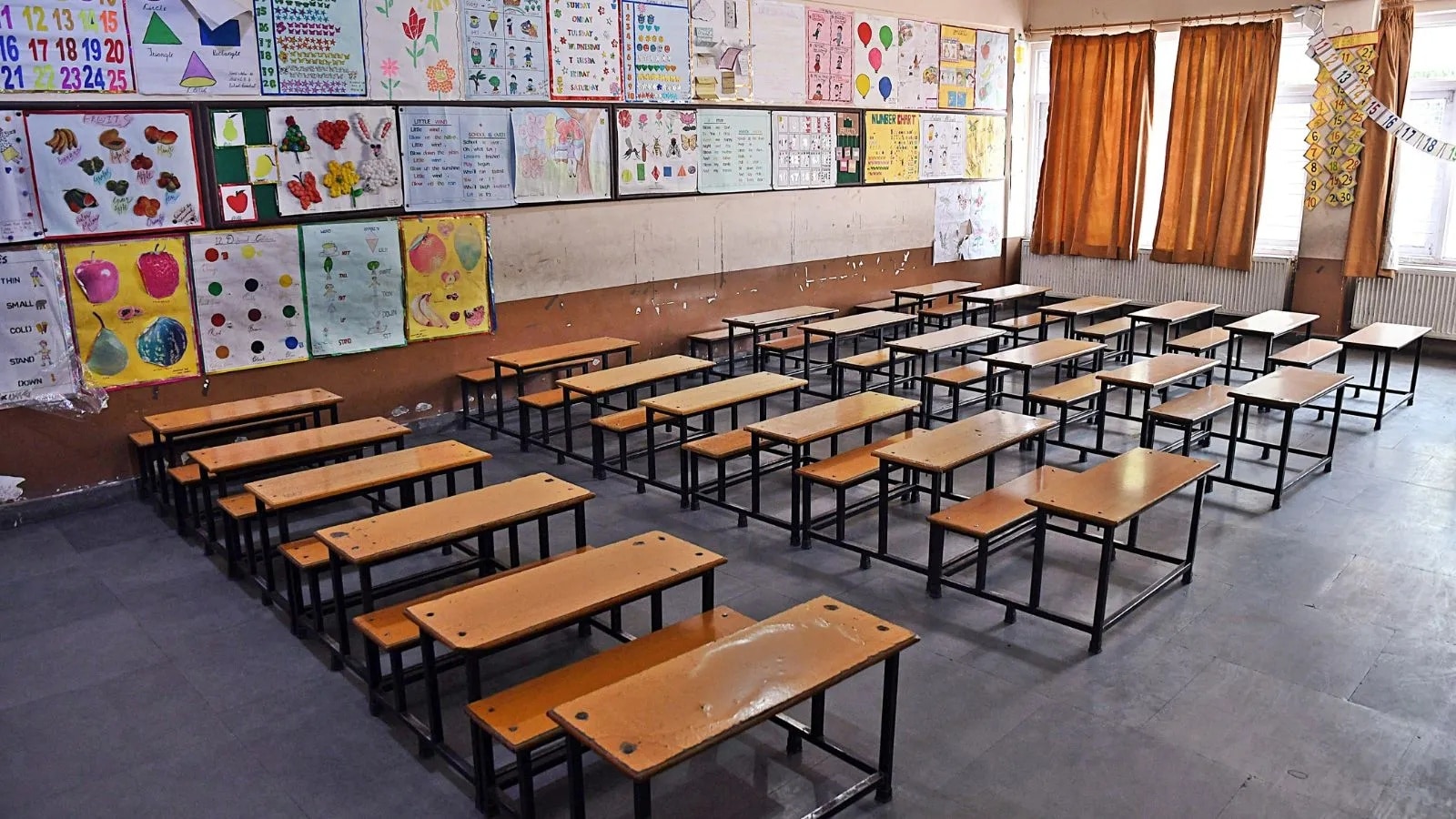
The high number of empty jobs is directly affecting the quality of education for thousands of children. When more than half of the staff positions are unfilled, the remaining teachers are forced to take on extra work. This leads to crowded classrooms and less individual attention for students. Because the quality of learning is dropping, many parents are choosing to move their children to private schools. This trend is dangerous because it suggests that the public school system is failing the families who rely on it the most.
Key Details
What Happened
The Praja Foundation, an organization that tracks civic issues, released its latest report on the state of education in Mumbai. The report highlights a growing gap between the number of staff members the BMC says it needs and the number of people actually working in the schools. While the city has the money to fund these schools, it has struggled to hire and keep enough qualified people to run them. This problem is most visible in primary schools, which provide the foundation for a child's entire education.
Important Numbers and Facts
The report provides several startling figures that show the scale of the problem. Out of all the sanctioned staff positions for primary schools, 57% remain empty. This includes not just teachers, but also principals and administrative staff who help the school run smoothly. Furthermore, the report points out that student retention is a major issue. Many children who start in the first grade do not stay in the BMC system until they finish their primary years. The data suggests that as the vacancy rate goes up, the number of students staying in school goes down.
Background and Context
The BMC is one of the wealthiest local government bodies in Asia. Every year, it sets aside a large budget for education, often spending thousands of rupees per student. However, having a large budget has not solved the staffing problem. In the past, BMC schools were a popular choice for many families. Over the last decade, there has been a shift. More parents want their children to learn in English-medium schools, and they often feel that private schools offer better facilities. The BMC has tried to open new English-medium schools to meet this demand, but without enough teachers, these new schools face the same challenges as the old ones.
Public or Industry Reaction
Education experts and community leaders have expressed deep concern over these findings. Many argue that the city is focusing too much on building new school buildings and not enough on the people who teach inside them. Parents have also shared their frustrations, noting that when a teacher is absent or a position is vacant, classes are often combined, making it hard for children to focus. Activists are calling for the BMC to simplify its hiring process and offer better incentives to attract qualified teachers to the public sector. They believe that if the staffing issue is not fixed soon, the gap between rich and poor students will only grow wider.
What This Means Going Forward
The BMC needs to take immediate action to fill these vacancies. This will likely require a massive recruitment drive and a review of why so many positions have remained empty for so long. There is also a need to focus on teacher training and support to ensure that those who are hired stay in the system. If the city can fill these roles, it might be able to stop the flow of students leaving for private schools. In the coming months, observers will be watching to see if the government makes education a top priority or if the vacancy numbers continue to climb.
Final Take
Building schools and buying supplies is only one part of a successful education system. The most important part is having enough teachers to guide and inspire students. The Praja report serves as a wake-up call for Mumbai. Without a full staff, the city's promise of providing quality education to every child remains unfulfilled. Fixing the vacancy crisis is the only way to ensure that municipal schools can once again become a place where all children can succeed.
Frequently Asked Questions
Why are there so many vacancies in BMC schools?
The vacancies are caused by a slow hiring process, retirements, and difficulty in finding qualified staff who want to work in the municipal system. The report shows that 57% of these roles are currently unfilled.
How does the staff shortage affect students?
With fewer teachers, students get less attention, and classes are often overcrowded. This leads to a lower quality of education and causes many students to leave the school system entirely.
Is the BMC spending enough money on education?
Yes, the BMC has a very large budget for education. However, the report suggests that the money is not being used effectively to fill staff positions, which is the most critical need for the schools.



