
Summary
The Brihanmumbai Municipal Corporation (BMC) recently took strong action by demolishing the home of a family involved in a communal clash in Mumbai. This move follows a series of violent events between two groups that caused tension in the local neighborhood. While officials state the demolition was due to illegal construction, the timing has raised questions about the use of "bulldozer justice" in the city. This event marks a significant moment in how local authorities respond to civil unrest and criminal accusations.
Main Impact
The immediate impact of this demolition is a mix of fear and debate across Mumbai. For the family involved, they have lost their primary residence and belongings shortly after being accused of participating in a riot. For the wider community, the sight of heavy machinery tearing down a house sends a strong message about the government's current stance on law and order. Many people are now worried that this sets a precedent where the city can bypass the usual court process to punish individuals before they are proven guilty in a court of law.
Key Details
What Happened
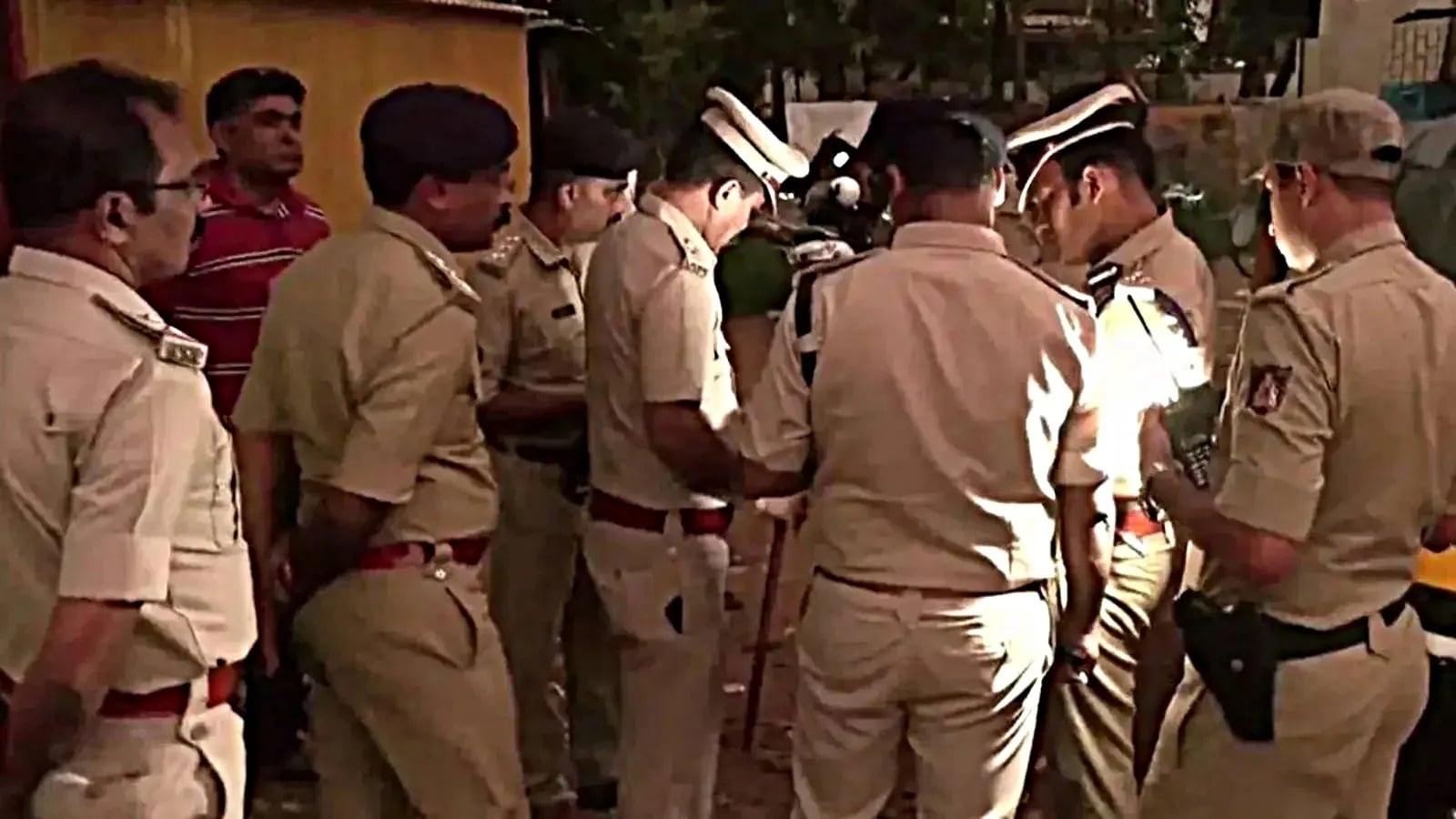
The situation began when a heated argument between two groups turned into a physical fight. This clash quickly grew, leading to stone-pelting and damage to local shops. The police arrived to stop the violence and arrested several people. Just a few days after these arrests, the BMC arrived at the home of one of the main accused individuals. With a large police force standing by, the workers used bulldozers to break down the walls and roof of the structure, claiming it did not have the proper building permits.
Important Numbers and Facts
The demolition took place early in the morning to avoid large crowds. According to local reports, at least three structures were targeted during the operation. The BMC officials stated that they had issued a notice regarding the illegal status of the building, though the family claims they were not given enough time to respond. Over 50 police officers were present to ensure that no one interfered with the machines. This action follows a pattern seen in other parts of the country where local governments use demolition as a quick response to social unrest.
Background and Context
The term "bulldozer action" has become very common in India over the last few years. It started in states like Uttar Pradesh and has now spread to other regions. The idea behind it is to show that the government is being "tough on crime." Usually, the authorities find a legal reason, such as a lack of building permits, to tear down the homes of people who are accused of serious crimes or rioting. Critics say this is a way to punish people without a trial, while supporters believe it helps stop future violence by making people afraid of the consequences.
Public or Industry Reaction
The reaction to the Mumbai demolition has been split. Some local residents feel that the action was necessary to bring back peace and show that violence will not be tolerated. They believe that if someone breaks the law by fighting, they should not expect the protection of the law for their property. On the other hand, human rights groups and legal experts are very concerned. They argue that even if a building is illegal, the law requires a specific process, including long notice periods and the right to appeal. They worry that the government is using the BMC as a tool for revenge rather than following urban planning rules.
What This Means Going Forward
This event suggests that Mumbai may see more of these actions in the future. It places a lot of pressure on the legal system to decide if these demolitions are constitutional. If the courts do not step in, city officials might continue to use this method as a standard response to communal tension. For residents, this means that having proper paperwork for their homes is more important than ever. It also means that any involvement in public fights could lead to the loss of their property, regardless of whether they have been convicted of a crime yet.
Final Take
The use of bulldozers in Mumbai marks a shift in how the city handles crime and communal issues. While the government claims it is simply enforcing building codes, the timing makes it look like a direct punishment for the recent clash. Moving forward, the balance between quick justice and the rule of law will be a major topic of discussion. The city must decide if it wants to follow the slow process of the courts or the fast action of the machines.
Frequently Asked Questions
Why did the BMC demolish the house?
The BMC stated that the house was an illegal construction and did not have the necessary permits. However, the action happened right after a member of the family was accused of taking part in a communal clash.
Is "bulldozer action" legal?
The government says it is legal because they are removing unauthorized buildings. However, many lawyers argue it is illegal because it often skips the required notice periods and targets people based on criminal accusations rather than just building violations.
What happened during the communal clash?
A fight broke out between two groups in a Mumbai neighborhood, leading to violence and property damage. The police arrested several people, and the demolition followed shortly after these arrests.



