
Summary
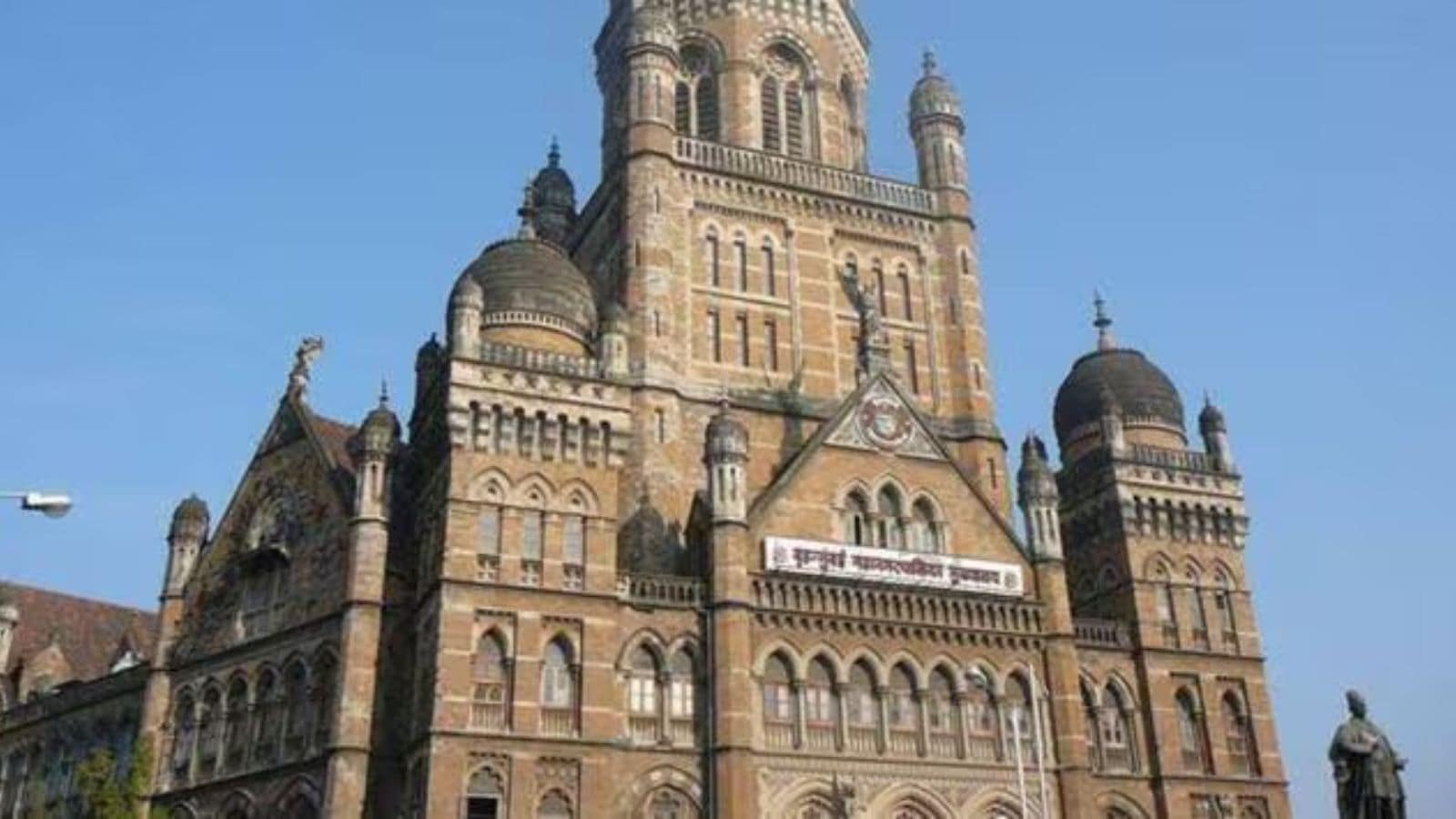
The Brihanmumbai Municipal Corporation (BMC) is planning a new initiative to hire a large group of young people to help manage the city. This "intern army," made up of members of Generation Z, will be tasked with monitoring essential services like road quality, garbage collection, and public transport. By using the energy and technical skills of younger residents, the city hopes to identify and fix local problems much faster than before. This move marks a shift toward a more modern and tech-driven approach to city management in Mumbai.
Main Impact
The primary impact of this plan is the creation of a massive, real-time monitoring system for Mumbai’s infrastructure. For years, the city has struggled with slow responses to complaints about broken roads and uncollected waste. By putting hundreds of interns on the streets, the BMC will have a constant stream of data and photos showing exactly where the problems are. This pressure is expected to make contractors and city departments more accountable, as they will no longer be able to ignore issues that are being reported daily by a dedicated team.
Key Details
What Happened
The BMC has proposed a program to recruit college students and recent graduates to serve as civic interns. These interns will not sit in offices; instead, they will be out in the field across various neighborhoods. Their job is to act as the "eyes and ears" of the municipal body. They will use mobile apps to log complaints, take photos of illegal dumping, and track the progress of road repairs. This initiative is designed to bridge the gap between the city government and the actual conditions on the ground.
Important Numbers and Facts
While the exact number of interns has not been finalized, officials suggest the group could include hundreds of participants spread across Mumbai’s 24 wards. The program is expected to target individuals aged 18 to 25 who are comfortable using digital tools and GPS-based reporting systems. Interns will likely receive a monthly stipend for their work, making it an attractive short-term job for students looking for experience in public administration or social work. The project focuses on three main areas: ensuring roads are free of potholes, making sure garbage is cleared on time, and checking that public transport services are running smoothly.
Background and Context
Mumbai is one of the most populated cities in the world, and managing its daily needs is a massive challenge. The city often faces heavy criticism during the monsoon season when roads fall apart and drainage systems fail. Traditionally, the BMC has relied on its own inspectors and citizen complaints to find problems. However, the city is so large that many issues go unnoticed for weeks. By hiring Gen Z interns, the BMC is trying to use a generation that grew up with smartphones to provide a faster, more transparent way of reporting civic failures. This is part of a larger effort to digitize city services and make the government more responsive to the needs of its people.
Public or Industry Reaction
The reaction to the proposal has been mixed but mostly positive. Many residents welcome the idea, hoping that young, motivated workers will be more honest and efficient than older bureaucratic systems. Urban experts believe that involving youth in city management will help them feel more connected to their community and teach them how local government works. However, some critics have raised concerns. They wonder if these interns will have any real power to make changes or if their reports will simply sit in a database without being acted upon. There are also questions about the safety of interns working in high-traffic areas or dealing with waste management issues.
What This Means Going Forward
If this pilot program works, it could change how cities across India manage their services. We may see a permanent "civic internship" model where young people spend a year helping their local government before moving into their professional careers. For Mumbai, the next step will be setting up a digital dashboard where the data collected by these interns can be viewed by the public. This would allow residents to see which wards are performing well and which ones are falling behind. The success of the plan depends on whether the BMC leadership actually uses the data to penalize bad contractors and reward good work.
Final Take
The BMC’s plan to hire a Gen Z intern army is a creative way to tackle old problems with new energy. By giving young people a role in fixing their city, the BMC is not just improving its monitoring system; it is also building a more active and informed group of citizens. While the plan faces challenges in terms of organization and follow-through, it is a necessary step toward making Mumbai a more livable and efficient city for everyone.
Frequently Asked Questions
Who can apply for the BMC intern army?
The program is mainly for college students and recent graduates, typically between the ages of 18 and 25, who live in Mumbai and are familiar with using mobile technology.
What will the interns actually do?
Interns will walk through assigned areas to check for potholes, overflowing garbage bins, and transport delays. They will report these issues through a special app with photos and location data.
Will the interns be paid for their work?
Yes, the BMC plans to provide a monthly stipend to the interns to cover their expenses and reward them for their time and effort in monitoring the city.



