
Summary
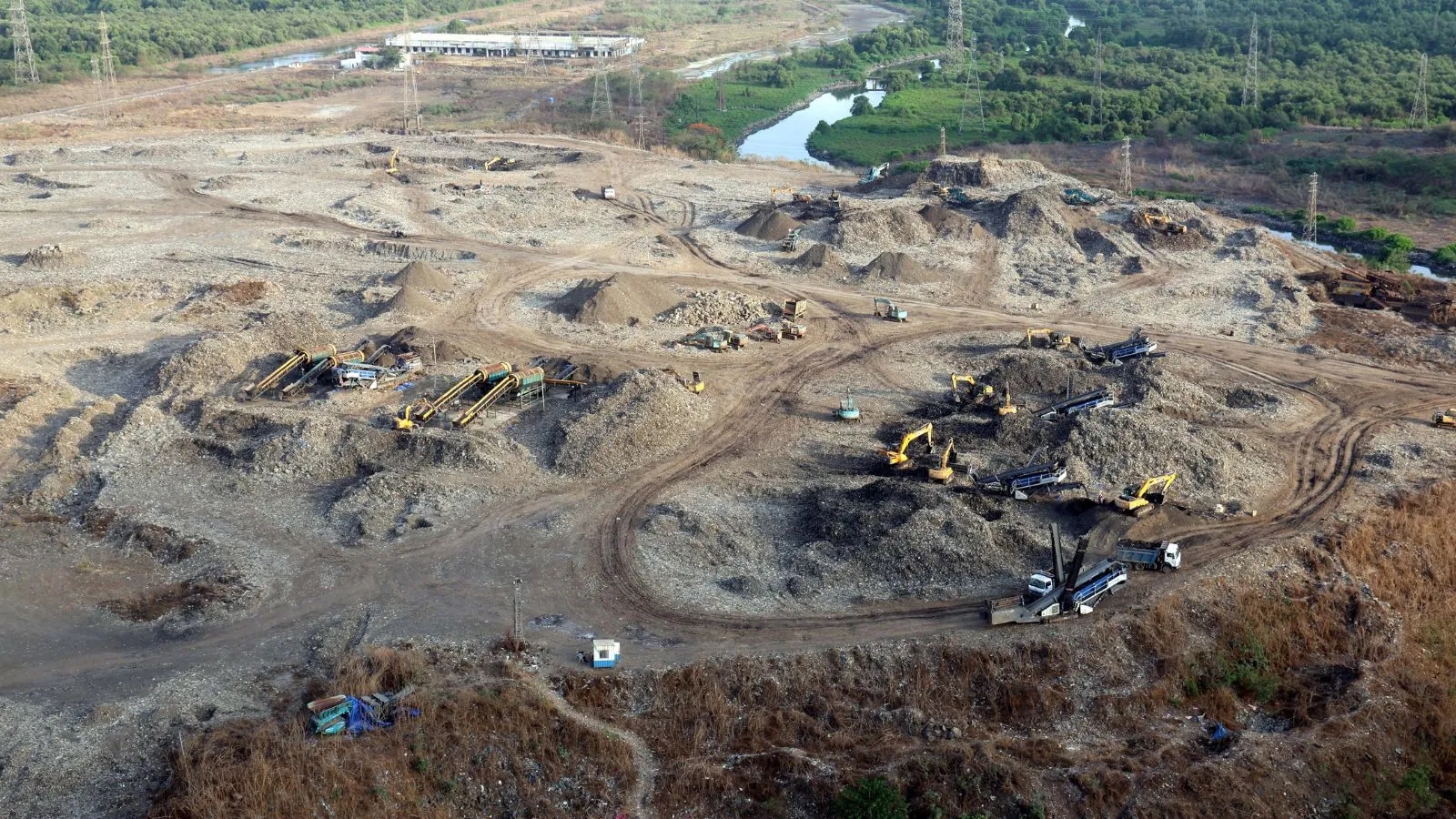
The Brihanmumbai Municipal Corporation (BMC) is planning to lease land at the Mulund landfill site for the Dharavi redevelopment project. This move comes after a similar plan for the Deonar landfill site. The BMC aims to use this land for rehabilitation of project-affected people and for other infrastructure needs related to the massive Dharavi redevelopment.
Main Impact
The decision to lease Mulund landfill land is a key step in the Dharavi redevelopment project. This project is one of the largest urban renewal efforts in India. The availability of land is critical for relocating residents and building new homes and facilities. By securing this land, the BMC can move forward with the rehabilitation process, which has been a major hurdle in the project's progress.
Key Details
What Happened
The BMC has decided to lease a portion of the Mulund landfill site for the Dharavi redevelopment project. This is similar to an earlier plan for the Deonar landfill. The land will be used to build homes for people who are displaced by the redevelopment. It will also be used for other infrastructure like roads, schools, and hospitals.
Important Numbers and Facts
The Mulund landfill covers a large area. The exact size of the land to be leased has not been finalized yet. The BMC will lease the land for a period of 30 years. The Dharavi redevelopment project aims to rebuild the entire Dharavi area, which is home to over 1 million people. The project is expected to cost thousands of crores of rupees.
Background and Context
The Dharavi redevelopment project has been planned for many years. Dharavi is one of the largest slums in Asia. The project aims to provide better housing and infrastructure for its residents. However, finding land for rehabilitation has been a major challenge. The BMC owns several landfill sites in Mumbai. Using these sites for rehabilitation is a practical solution. The Deonar landfill was the first choice, but now Mulund is also being considered.
Public or Industry Reaction
The decision has received mixed reactions. Some residents of Dharavi are hopeful that the project will finally move forward. They believe that the availability of land will speed up the process. However, some environmental groups have raised concerns. They worry about the safety of building on a landfill site. They say that the land may be contaminated and could pose health risks. The BMC has assured that proper environmental checks will be done before any construction begins.
What This Means Going Forward
The leasing of Mulund landfill land is a positive step for the Dharavi redevelopment project. It shows that the BMC is serious about finding solutions to the land problem. However, there are still many challenges ahead. The project needs to get all necessary approvals. It also needs to address environmental concerns. If successful, this project could serve as a model for other large-scale urban renewal projects in India.
Final Take
The BMC's plan to lease Mulund landfill land for the Dharavi project is a practical move to solve a long-standing problem. It provides a clear path for rehabilitation. While there are valid environmental concerns, the project's success depends on careful planning and execution. This decision brings the Dharavi redevelopment one step closer to reality.
Frequently Asked Questions
Why is the BMC using landfill land for the Dharavi project?
The BMC needs land to build homes and facilities for people who will be displaced by the Dharavi redevelopment. Landfill sites are large and owned by the BMC, making them a practical option for this purpose.
What are the environmental concerns with building on a landfill?
Landfill sites may contain harmful waste and gases. Building on them requires proper environmental checks and treatment to ensure the land is safe for habitation. The BMC has promised to do these checks before starting construction.
How will this affect the timeline of the Dharavi redevelopment project?
The availability of land is a major step forward. It should help speed up the rehabilitation process. However, the overall timeline also depends on other factors like approvals and funding. The project is expected to take several years to complete.



