
Summary
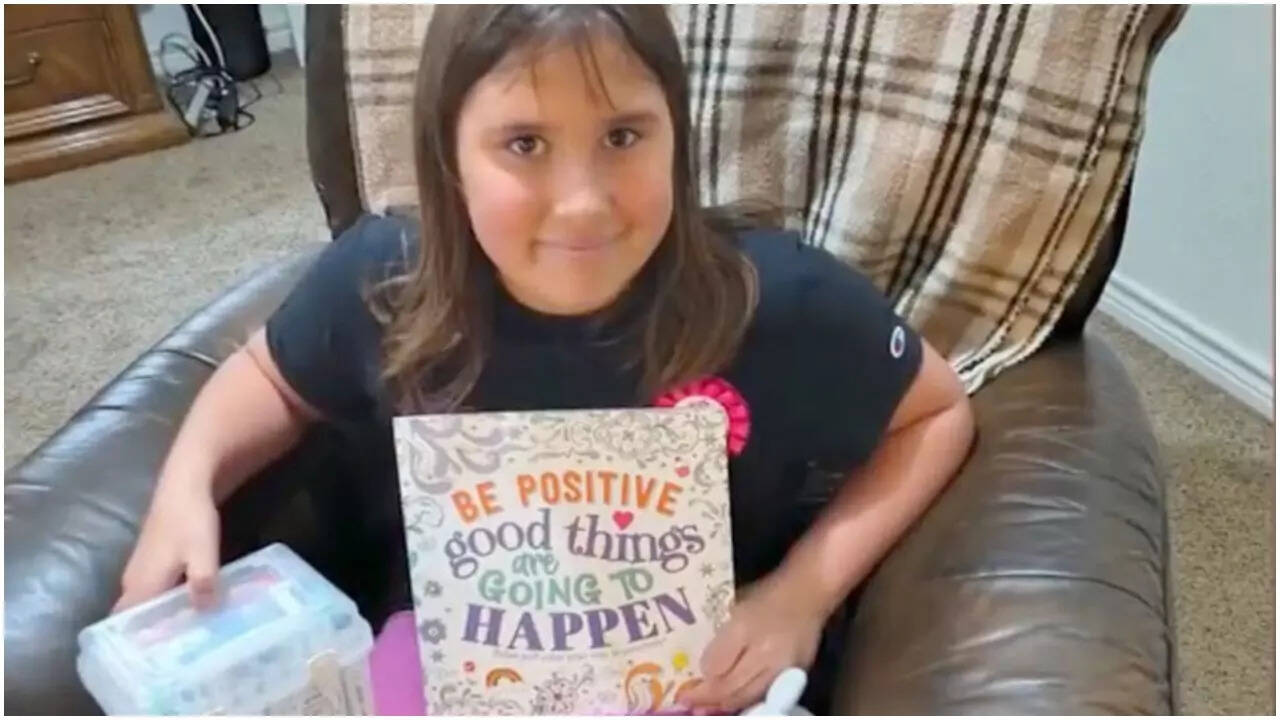
A nine-year-old girl recently lost her life after attempting a viral social media stunt known as the "blackout challenge." Her grieving parents are now speaking out to warn other families that this online trend is a deadly threat rather than a harmless game. They are calling for social media platforms to be held accountable for the content they show to young children. This tragedy highlights the growing danger of viral dares that encourage kids to take extreme physical risks for views and likes.
Main Impact
The death of this young girl has sent shockwaves through parenting communities and sparked a fresh debate about digital safety. The main impact of this event is a renewed focus on how social media algorithms suggest content to minors. When a child sees a "challenge" on their feed, they often lack the maturity to understand the physical consequences. This incident has led to increased pressure on lawmakers to pass stricter safety rules for internet companies to protect children from self-harm content.
Key Details
What Happened
The young girl was found unresponsive in her home after trying the "blackout challenge." This specific dare encourages participants to choke themselves or hold their breath until they lose consciousness. The goal is to experience a brief "high" or a rush when they wake up. Unfortunately, the girl did not wake up. Her parents discovered that she had seen videos of the challenge on a popular social media app and decided to try it herself, unaware of how quickly it could turn fatal.
Important Numbers and Facts
The blackout challenge is not new, but it has seen a massive resurgence due to video-sharing apps. Medical experts report that the brain can suffer permanent damage after only three minutes without oxygen. Death can occur shortly after. Over the last few years, dozens of deaths across several countries have been linked to this specific trend. Most victims are between the ages of 9 and 15. Despite efforts by some platforms to block search terms related to the challenge, users often use coded language or hashtags to keep the videos circulating.
Background and Context
While many people think of viral challenges as fun dances or harmless pranks, some are much darker. The blackout challenge has existed for decades under different names, such as the "choking game" or "pass-out challenge." In the past, it spread slowly through word of mouth on school playgrounds. Today, social media acts as a megaphone, spreading the idea to millions of children in seconds. Children are naturally curious and their brains are still developing the ability to judge risk. When they see others doing a dare online, they assume it is safe because the video is public.
Public or Industry Reaction
The reaction from the public has been one of anger and sadness. Many parents are demanding that social media companies do more than just put up a warning message. They want apps to use better technology to find and delete these videos before children see them. Some families have even filed lawsuits against tech companies, claiming that the apps' algorithms actively pushed dangerous content to their children. In response, some tech companies have stated they are working to improve their safety features, but critics say these changes are happening too slowly to save lives.
What This Means Going Forward
Moving forward, this tragedy serves as a loud wake-up call for both parents and schools. It is no longer enough to just limit screen time; parents are being urged to have open and honest conversations with their kids about the reality of online dares. Experts suggest that parents should explain the science of why these challenges are dangerous. On a larger scale, we may see new government regulations that force social media companies to be more transparent about how their software chooses which videos to show to kids. The goal is to create a digital environment where a child’s curiosity does not lead to a fatal mistake.
Final Take
The loss of a child to an internet trend is a preventable tragedy that no family should have to endure. It is clear that the responsibility for child safety online must be shared between parents, educators, and the tech companies that build these platforms. Protecting children in the digital age requires constant attention and a refusal to treat dangerous stunts as mere entertainment. Safety must always come before clicks.
Frequently Asked Questions
What exactly is the blackout challenge?
It is a dangerous dare where people try to make themselves pass out by holding their breath or using items to cut off their oxygen supply. It can cause brain damage or death within minutes.
How can I protect my child from seeing these videos?
You can use parental control settings on apps, but the best way is to talk to your child. Explain that many things they see online are staged or very dangerous, and encourage them to tell you if they see a "challenge" that involves hurting themselves.
Are social media companies doing anything to stop this?
Most platforms have rules against self-harm and dangerous acts. They often block certain search words, but new videos can still appear. This is why many people are calling for tougher laws to hold these companies responsible.

