
Summary
The Bharatiya Janata Party (BJP) has filed a formal complaint with the Election Commission of India regarding a controversial statement made by Congress President Mallikarjun Kharge. The complaint centers on a remark where Kharge allegedly referred to Prime Minister Narendra Modi as a "terrorist." This move by the BJP highlights the growing tension between the two major political parties as they compete for public support. The BJP argues that such language is unacceptable in a democracy and has called for immediate disciplinary action.
Main Impact
The primary impact of this development is a significant increase in political heat during the current election cycle. By taking the matter to the Election Commission, the BJP is seeking to hold the opposition accountable for its choice of words. This situation forces the commission to review the boundaries of political speech and decide if the remark violates the Model Code of Conduct. If the commission takes action, it could result in campaign restrictions for the Congress leader, which would influence the momentum of their election efforts.
Key Details
What Happened
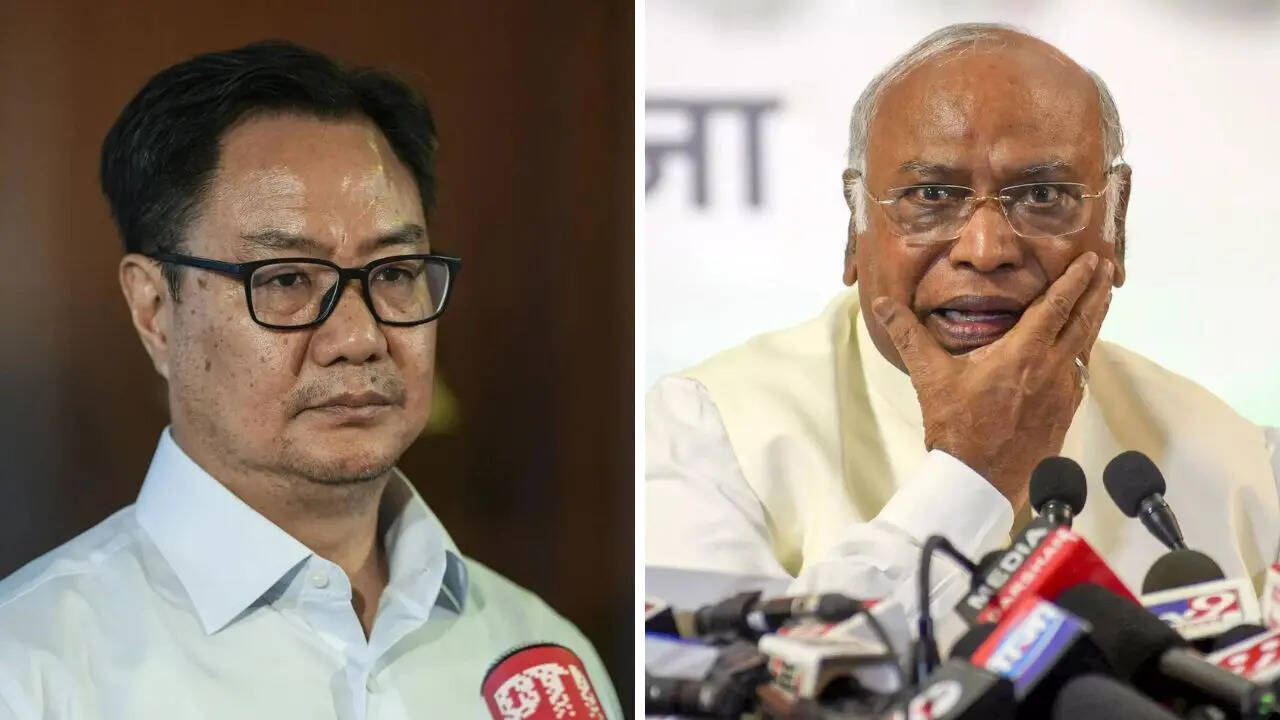
A high-level delegation from the BJP, which included Union Minister Kiren Rijiju, met with officials from the Election Commission to submit their grievance. The delegation expressed deep concern over the language used by Mallikarjun Kharge during a recent public event. They claimed that calling a sitting Prime Minister a "terrorist" is not just a personal insult but an attack on the dignity of the office itself. The BJP leaders spent time explaining why they believe this specific word is dangerous and how it could incite negative feelings among the public.
Important Numbers and Facts
The BJP delegation has demanded two main things: a formal apology from Mallikarjun Kharge and a separate apology from the Congress party as a whole. They have also asked the Election Commission to issue a strict warning or a ban on Kharge from making further speeches for a set period. While the exact date of the speech was part of the evidence submitted, the BJP emphasized that this is part of a recurring pattern of verbal attacks. The Election Commission is now expected to review the video recordings of the speech to verify the claims made in the complaint.
Background and Context
In India, elections are governed by a set of guidelines known as the Model Code of Conduct. These rules are designed to ensure that all parties have a fair chance and that the political environment remains peaceful. One of the key rules is that parties and candidates should not make personal attacks or use language that could create hatred between different groups. Over the years, the Election Commission has become more active in monitoring what leaders say during their rallies.
The relationship between the BJP and the Congress party has been very tense for a long time. Both sides often use strong words to criticize each other's policies and leadership. However, the BJP claims that the word "terrorist" goes far beyond normal political criticism. They argue that this type of language is unprecedented in Indian politics and sets a bad example for the youth and the general public. This incident is part of a larger trend where political battles are fought as much through words and social media as they are through policy debates.
Public or Industry Reaction
The reaction to this complaint has been divided along party lines. BJP supporters have taken to social media to express their outrage, stating that the Prime Minister deserves respect regardless of political differences. They believe that the public will "punish" the Congress party at the voting booths for using such harsh language. Many people feel that political discourse should focus on issues like the economy, education, and healthcare rather than personal name-calling.
On the other side, some members of the Congress party have defended their leader. They often argue that their statements are meant to highlight the government's actions and are sometimes taken out of context by the media or the ruling party. Neutral political observers have noted that both sides have used strong language in the past, but they agree that the current environment is becoming increasingly hostile. There is a general concern among the public that the real issues facing the country are being ignored in favor of these verbal disputes.
What This Means Going Forward
The next step lies with the Election Commission. They will likely issue a notice to Mallikarjun Kharge, asking him to explain his remarks. Depending on his response and the evidence found in the recordings, the commission could issue a warning, a temporary campaign ban, or even a police complaint if they feel the law was broken. This decision will be closely watched by all political parties as it will define what is considered "fair speech" for the remainder of the election season.
For the Congress party, this complaint could be a setback if it leads to negative publicity or legal trouble for their president. For the BJP, it serves as a way to rally their supporters and portray the opposition as a group that lacks respect for national institutions. As the election continues, it is likely that both parties will be more careful with their words, or they may double down on their current strategies to see which approach wins more votes.
Final Take
The health of a democracy depends on the quality of its political debates. While it is natural for parties to disagree, the use of extreme labels can distract from the actual needs of the citizens. The Election Commission now has the difficult task of balancing the right to free speech with the need to maintain a respectful and safe political environment. Ultimately, the voters will decide if they prefer a focus on policy or if these verbal battles will influence their choice at the ballot box.
Frequently Asked Questions
Why did the BJP complain to the Election Commission?
The BJP complained because they believe Congress President Mallikarjun Kharge used an offensive and inappropriate word to describe Prime Minister Narendra Modi, which they say violates election rules.
What is the Model Code of Conduct?
The Model Code of Conduct is a set of rules issued by the Election Commission to guide the behavior of political parties and candidates during elections to ensure fair play and peace.
What can the Election Commission do in this case?
The Commission can review the evidence and, if they find a violation, they can issue a warning, stop a leader from campaigning for a few days, or take other legal actions.



