Summary
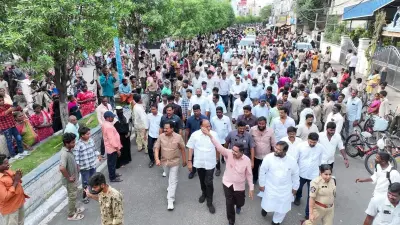
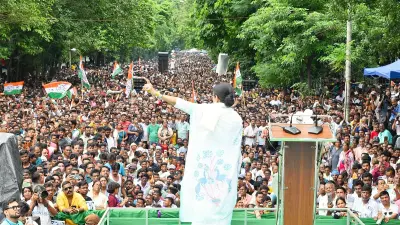
Police in Telangana took swift action this week to stop a planned political demonstration. The state president of the Bharatiya Janata Party (BJP), N Ramchander Rao, was placed under house arrest at his residence. This move was designed to prevent him from leading a protest against the failure of the Women's Reservation Bill in Parliament. The incident has raised questions about the freedom to protest and the ongoing struggle for gender equality in Indian politics.
Main Impact
The primary impact of this police action is the immediate halt of a major political gathering. By keeping the BJP chief inside his home, authorities effectively stopped a large-scale march that was expected to draw many supporters. This event highlights the deep political divide over the Women's Reservation Bill. It also shows the strict measures local law enforcement is willing to take to maintain public order, even if it means restricting the movement of high-profile leaders.
Key Details
What Happened
Early in the morning, a team of police officers arrived at the home of N Ramchander Rao. They informed the BJP leader that he would not be allowed to leave his premises for the day. This tactic, known as house arrest, is often used to prevent political figures from reaching the site of a planned protest. The BJP had organized a demonstration to express their anger over the central government's inability to pass the Women's Reservation Bill, which has been a topic of debate for many years.
Important Numbers and Facts
The Women's Reservation Bill is a significant piece of legislation that proposes to reserve 33 percent of all seats in the Lok Sabha and state legislative assemblies for women. Despite being introduced multiple times over the last few decades, it has faced many hurdles. The BJP in Telangana had planned to mobilize hundreds of party workers to demand the immediate passage of this bill. The police deployment at the leader's house included several dozen officers to ensure no unauthorized movement took place.
Background and Context
To understand why this protest was planned, one must look at the history of the Women's Reservation Bill. For a long time, activists and certain political groups have argued that women are not represented enough in the halls of power. Currently, the percentage of women in the Indian Parliament is much lower than in many other countries. The bill aims to change this by making it a law that one-third of the seats must go to female candidates. However, some parties worry about how this will affect their current members, leading to repeated delays in the voting process.
In Telangana, the political climate is very active. The BJP has been trying to grow its influence in the state, often clashing with the local government and the police. Protests are a common way for parties to show their strength and connect with voters. By focusing on a popular issue like women's rights, the BJP hoped to gain support from female voters across the region.
Public or Industry Reaction
The reaction to the house arrest was immediate and vocal. BJP supporters took to social media to complain about the police action, calling it an attack on democracy. They argued that every citizen has the right to protest peacefully. On the other side, some government supporters felt the police did the right thing to prevent traffic jams and potential security issues in the city. They pointed out that large protests can sometimes turn into chaotic situations if not managed strictly.
Women's rights groups have also weighed in. While some agree with the BJP's demand for the bill, others are cautious about the political motivations behind the protest. Many activists simply want to see the bill passed regardless of which party is leading the charge. They believe that the focus should remain on the law itself rather than the political drama surrounding it.
What This Means Going Forward
Looking ahead, this incident is likely to increase the tension between the BJP and the state authorities. The party has already stated that they will not be silenced and will plan more events in the future. This could lead to more standoffs with the police. For the Women's Reservation Bill, the path forward remains unclear. While there is a lot of public support for it, the political will to pass it in Parliament is still being tested.
The use of house arrests as a tool to stop protests will also likely be debated in legal circles. If these actions become more frequent, they may face challenges in court. For now, the focus remains on how the central government will respond to the growing pressure to give women a larger voice in the country's decision-making process.
Final Take
The house arrest of N Ramchander Rao is more than just a local news story; it is a sign of the intense struggle for political representation in India. While the police managed to stop a single protest today, they cannot stop the conversation about the Women's Reservation Bill. As long as the bill remains unpassed, political parties will continue to use it as a major point of contention. The real test will be whether this energy eventually leads to a change in the law or if it remains a tool for political gain.
Frequently Asked Questions
Why was the BJP chief put under house arrest?
He was placed under house arrest to prevent him from leading a planned protest against the failure of the Women's Reservation Bill. Police often use this method to maintain public order and prevent large crowds from gathering.
What is the Women's Reservation Bill?
It is a proposed law that would reserve 33 percent of the seats in India's Parliament and state assemblies for women. The goal is to increase the number of women in government positions.
Is house arrest a common practice in India?
Yes, it is a common tactic used by law enforcement to stop political leaders from participating in rallies or protests that the government deems potentially disruptive to public peace.