
Summary
The Bharatiya Janata Party (BJP) has started distributing physical cards to voters that promise monthly cash payments if the party wins the upcoming elections. This move has caused a major political fight, with the Trinamool Congress (TMC) claiming it is a clear violation of election rules. The TMC has asked the Election Commission to take immediate action, calling the cards an illegal way to bribe people for votes. This dispute highlights the growing tension between the two parties as they compete for support through direct financial promises.
Main Impact
The distribution of these "cash dole" cards has changed the mood of the election campaign. It has moved the focus away from general policy debates and toward direct financial benefits for individuals. If the Election Commission decides that these cards are a form of bribery, it could lead to strict penalties for the BJP candidates involved. On the other hand, if the move is allowed, it might set a new standard for how political parties use physical "guarantees" to win over voters who are struggling with money problems.
Key Details
What Happened
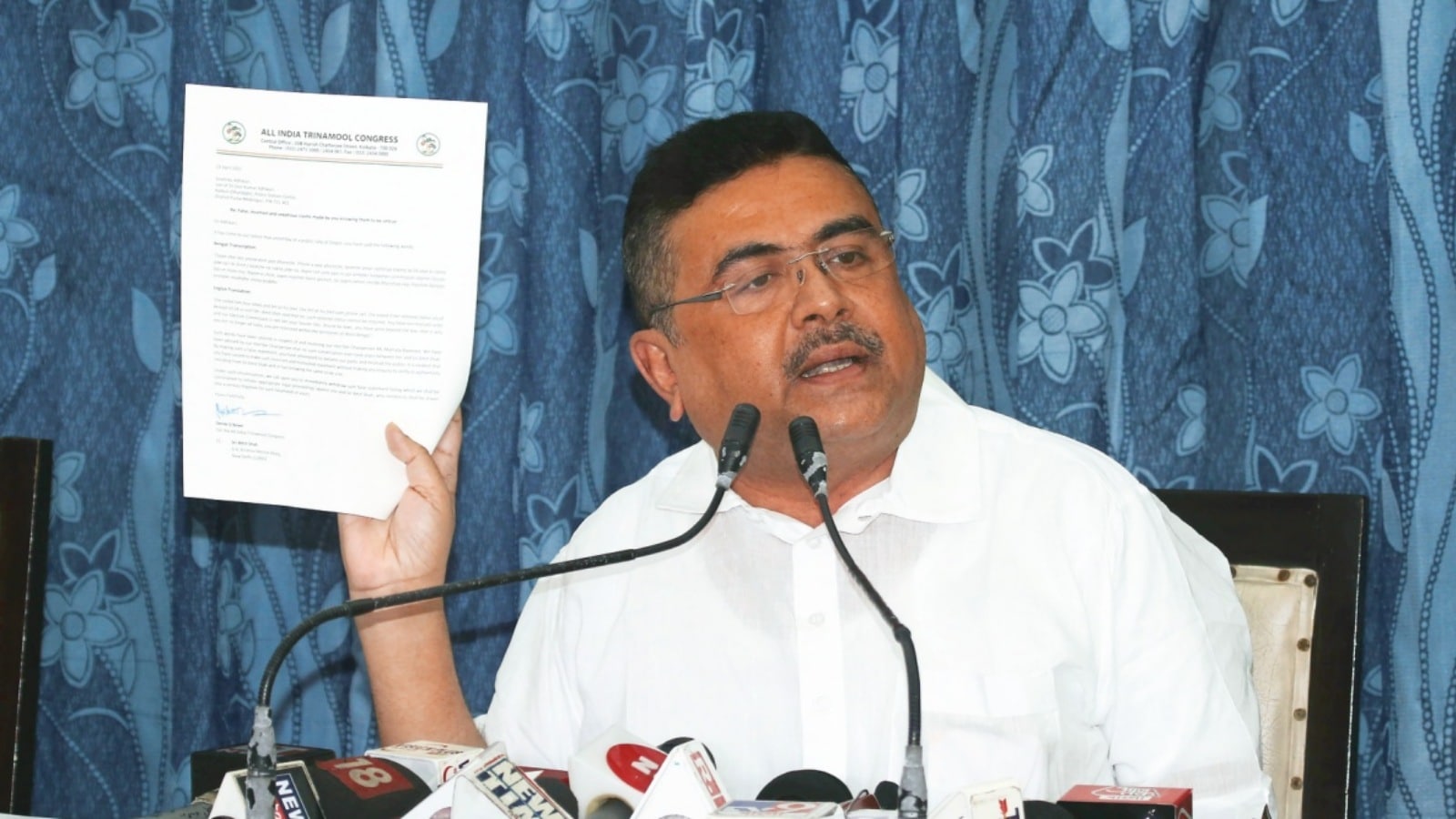
In several districts, BJP workers were seen going door-to-door to hand out printed cards. These cards look official and often have a space for the voter’s name and contact information. The text on the card promises that a specific amount of money will be sent to the holder's bank account every month if the BJP forms the government. The TMC quickly gathered video evidence of this distribution and sent it to election officials. They argue that while a party can promise a scheme in a manifesto, giving out a physical card that looks like a contract is a step too far.
Important Numbers and Facts
The cards reportedly promise monthly payments ranging from 2,000 to 3,000 rupees for women and unemployed youth. Reports suggest that thousands of these cards have already been given out in key areas where the race is very close. The TMC has filed over a dozen formal complaints with the Election Commission in the last 48 hours. Under the Model Code of Conduct, parties are not allowed to offer direct financial inducements to voters once the election dates are announced. The BJP, however, claims these are simply "guarantee cards" to show they are serious about their promises.
Background and Context
Direct cash transfers have become a very important part of politics in India. In West Bengal, the TMC government already runs a popular program called "Lakshmir Bhandar," which gives monthly money to women. The BJP is trying to counter this by offering even more money. In recent years, many parties have moved away from building roads or schools as their main promise. Instead, they focus on putting cash directly into people's pockets. This makes the "cash dole" card a powerful tool because it feels more real to a voter than a simple speech or a long book of promises.
Public or Industry Reaction
The reaction from the public has been mixed. Some voters are happy to receive the cards, seeing them as a sign that the party will help them with their daily costs. Others are skeptical and worry that these promises might not be kept after the election is over. Political experts say this move shows that the BJP is trying to beat the TMC at its own game. Meanwhile, the TMC leadership has held press conferences to tell voters that these cards have no legal value and are just a trick to get their names and phone numbers for the election day.
What This Means Going Forward
The next few days will be critical as the Election Commission reviews the complaints. If the commission bans the cards, the BJP will have to stop its door-to-door campaign and might face fines. If the commission does not act, other parties might start printing their own cards to stay competitive. This could lead to a situation where elections are won by whoever promises the most cash. There is also a risk that this practice could lead to legal trouble later if the winning party cannot afford to pay the promised money from the state budget.
Final Take
This fight over cash cards shows how competitive and personal the election has become. While parties have always made big promises, the use of physical cards makes the promise feel like a debt that must be paid. Whether this is a smart campaign move or a violation of the law is now in the hands of the election officials. The outcome will decide how future elections in the country are fought and what kind of promises parties are allowed to make to the public.
Frequently Asked Questions
What is a "cash dole" card?
It is a physical card given by a political party to a voter. It promises that the voter will receive a regular monthly payment if that party wins the election and takes power.
Why does the TMC say this violates the law?
The TMC argues that giving a card to an individual voter is like offering a bribe. They believe it goes beyond a normal campaign promise and tries to buy the person's vote directly.
What can the Election Commission do?
The Election Commission can order the party to stop giving out the cards, seize the remaining cards, or even take legal action against the candidates who authorized the distribution.



