
Summary
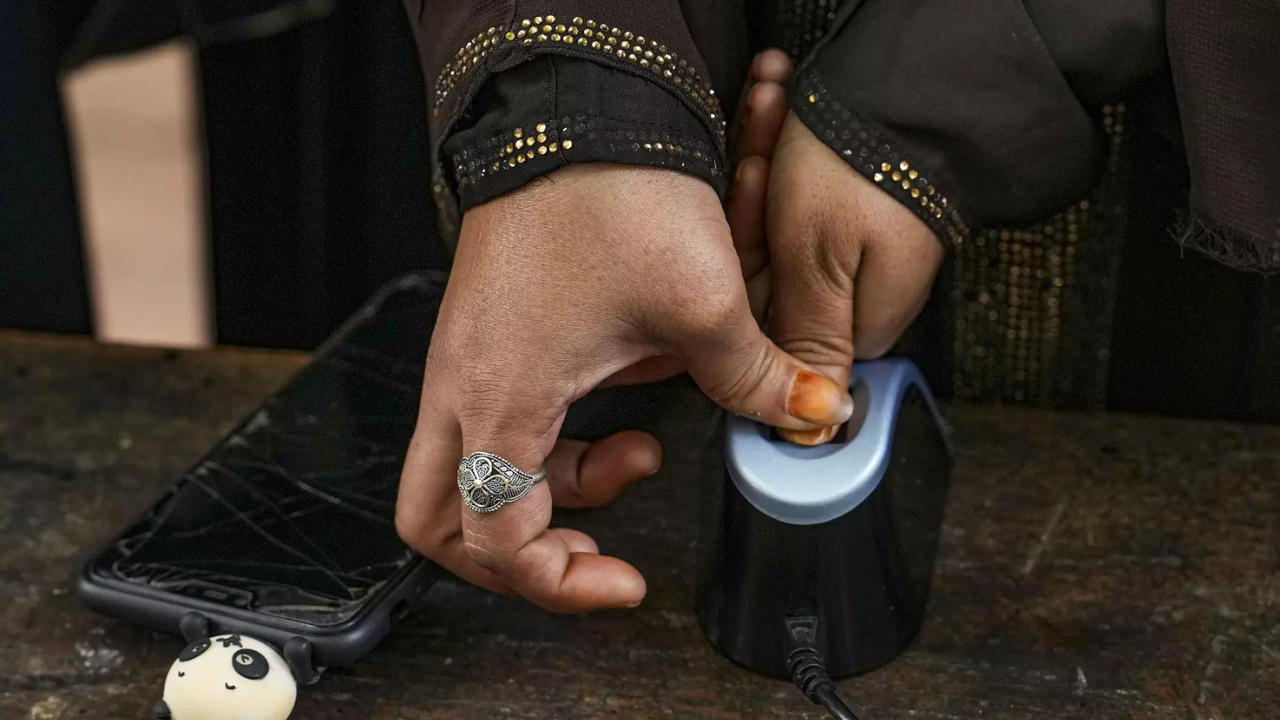
The Supreme Court of India has started looking into a proposal that could change how people vote. The court is asking the central government and the Election Commission to respond to a plea about using biometric checks at polling booths. This system would use fingerprints or face scans to verify a person's identity before they cast their vote. The main goal is to stop people from voting more than once and to prevent fake voting. This move could add a new layer of digital security to the world's largest democratic exercise.
Main Impact
If this proposal becomes a reality, it will mark a major shift in the Indian election process. Currently, voters show a physical ID card and get a mark of ink on their finger. Adding biometric checks would mean that a computer verifies the person is who they say they are. This could significantly reduce "bogus voting," where people use someone else's name to vote. However, it also raises questions about how to manage such a massive amount of digital data and whether the technology will work perfectly in every part of the country.
Key Details
What Happened
A petition was filed in the Supreme Court asking for a more secure way to identify voters. The person who filed the petition believes that the current system is not enough to stop all types of fraud. A bench of judges, led by the Chief Justice of India, heard the initial arguments. Instead of making a quick decision, the court decided to seek a formal reply from the Union Government and the Election Commission of India. They want to know if such a system is possible and what the experts think about it.
Important Numbers and Facts
India has nearly 970 million registered voters, making it the largest voting population on Earth. During a general election, the country sets up over one million polling stations. The petition suggests that these stations should be equipped with devices that can read fingerprints or scan faces. These devices would likely be linked to the Aadhaar database, which already holds the biometric information of most Indian citizens. The court wants to understand the costs, the technology needed, and the legal rules that would be required to make this happen.
Background and Context
For many years, India has worked hard to make its elections fair and transparent. The country moved from paper ballots to Electronic Voting Machines (EVMs) to make counting faster and more accurate. Later, they added the Voter Verifiable Paper Audit Trail (VVPAT), which gives a paper receipt to show the vote was recorded correctly. Despite these steps, some people still worry about identity theft at the polling booth. Biometrics are seen by some as the final step in making sure that every single vote belongs to a real, verified person. In simple terms, biometrics are physical traits that are unique to you, like your thumbprint, which a computer can recognize.
Public or Industry Reaction
The reaction to this news has been mixed. Many people who support the idea say it is time for India to use its tech power to protect the vote. They argue that if we use fingerprints to unlock phones or get rations, we should use them for something as important as an election. On the other hand, some experts and privacy groups have concerns. They worry about what happens if the internet fails or if a worker's fingerprints have faded due to manual labor. There are also concerns about privacy and how the government will handle such sensitive personal information during the voting process.
What This Means Going Forward
The next step is for the government and the Election Commission to file their official statements in court. They will have to explain if they have the budget and the tools to put biometric machines in every village and city. The Supreme Court will then look at these replies to see if the plan is fair and follows the law. This process will likely take some time. Even if the court agrees with the idea, it could take years to buy the equipment and train millions of poll workers. For now, the current voting system will stay the same, but the door is open for a big digital change in the future.
Final Take
Ensuring that every vote is honest is the foundation of a strong country. While technology like biometric scanning offers a way to stop cheating, it must be used in a way that does not make it harder for honest people to vote. The Supreme Court’s decision to ask for more information shows they are taking the matter seriously but also carefully. The balance between high-tech security and the simple right to vote will be the main focus of this legal journey.
Frequently Asked Questions
What are biometric checks in voting?
Biometric checks use a person's unique physical features, like fingerprints or an eye scan, to prove who they are before they are allowed to vote. This replaces or adds to the traditional method of checking a photo ID card.
Why is the Supreme Court involved?
The court is involved because a citizen filed a petition asking for these checks to prevent fraud. The court acts as a referee to decide if the government should change the rules to make elections more secure.
Will I have to give my fingerprints to vote in the next election?
Not yet. The Supreme Court has only asked the government for its opinion. No final decision has been made, and any change to the voting process would take a long time to plan and start.



