
Summary
A new food cart in Thrissur, Kerala, is making headlines by using biogas instead of traditional cooking gas. This change comes at a time when many small business owners are struggling with the high cost and low supply of LPG cylinders. By turning food waste into fuel, this mobile kitchen offers a smart way to save money and protect the environment. This move shows how local innovation can solve big problems like rising fuel prices and waste management.
Main Impact
The launch of this biogas-powered food cart is a major step for small-scale street vendors. For years, these sellers have relied on Liquefied Petroleum Gas (LPG), which has become more expensive and sometimes hard to find. By switching to biogas, the vendor has found a way to cut daily running costs almost to zero. This shift not only helps the business stay profitable but also provides a practical example of how to handle urban waste. Instead of throwing away food scraps, the cart uses them to create the energy needed to cook fresh meals for customers.
Key Details
What Happened
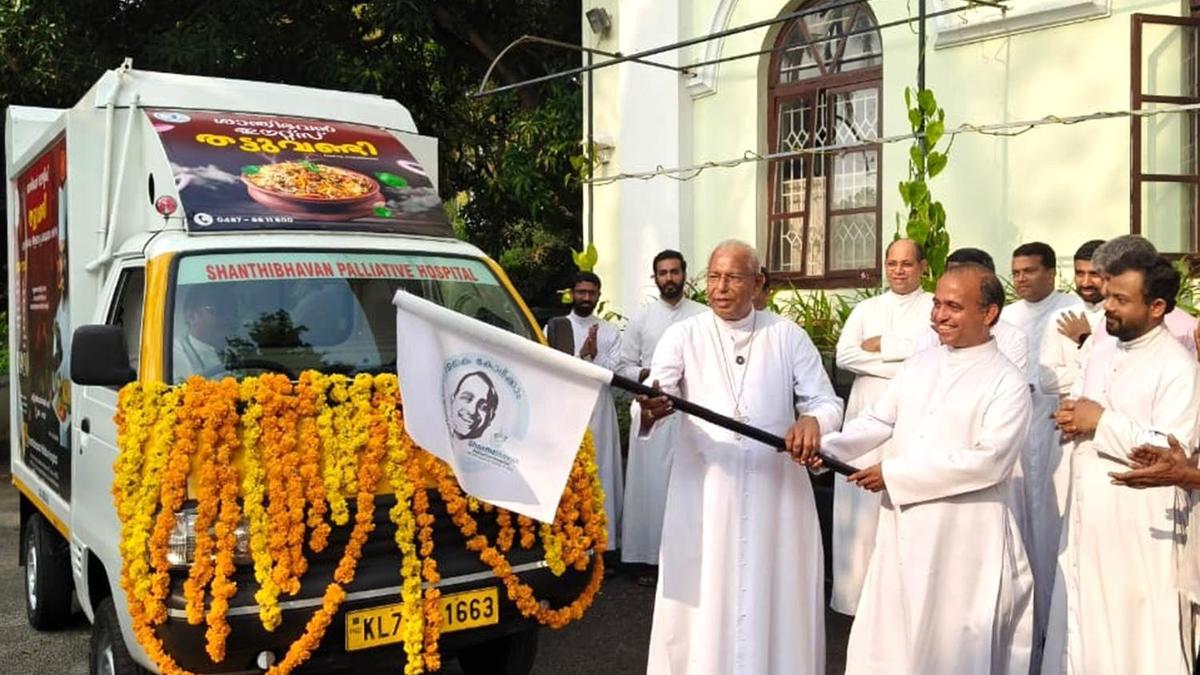
In the busy streets of Thrissur, a local entrepreneur decided to change how street food is prepared. Instead of carrying heavy and expensive gas cylinders, the vendor installed a compact biogas system directly onto the food cart. This system takes organic waste, such as vegetable peels and leftover food, and breaks it down to produce methane gas. This gas is then piped to a standard stove used for cooking snacks and meals. The cart has become a point of interest for locals who are curious about how a kitchen can run without a traditional gas connection.
Important Numbers and Facts
The cost of a commercial LPG cylinder has seen several price hikes over the last year, often putting a heavy burden on small food stalls. In contrast, the raw material for biogas—food waste—is often available for free or at a very low cost. A small biogas plant can produce enough fuel for several hours of cooking if fed with a few kilograms of organic waste daily. This setup can reduce a vendor's monthly fuel bill by a significant amount, often saving thousands of rupees over a year. Additionally, this method prevents organic waste from ending up in landfills, where it would otherwise produce harmful greenhouse gases.
Background and Context
Thrissur is known for its vibrant street food culture, but like many cities in India, it faces challenges with waste disposal and energy costs. LPG is a fossil fuel that must be transported over long distances, making it sensitive to global price changes and supply chain issues. When shortages happen, small vendors are often the first to suffer because they do not have the storage space or the funds to buy in bulk. At the same time, cities struggle to manage the tons of food waste produced every day. Biogas technology has existed for a long time, but it is usually seen in large farms or fixed homes. Bringing this technology to a mobile food cart is a creative way to address both the energy crisis and the waste problem at the same time.
Public or Industry Reaction
The local community in Thrissur has responded with a mix of curiosity and praise. Many customers are happy to support a business that is eco-friendly. Other street vendors are also watching the project closely to see if it is something they can copy for their own stalls. Environmental groups have pointed out that if more vendors made this switch, it could significantly reduce the carbon footprint of the city's food industry. While some people were initially worried about the smell or safety of a biogas plant on wheels, the vendor has shown that a well-maintained system is clean, safe, and efficient.
What This Means Going Forward
The success of this biogas cart could lead to a wider trend across Kerala and other parts of the country. If local governments provide support or small loans for such equipment, more vendors might move away from LPG. This would make small businesses more resilient to fuel price hikes. In the future, we might see "green zones" in cities where all street food is cooked using renewable energy. However, for this to grow, there needs to be better education on how to maintain these systems and a steady way to collect organic waste from the surrounding area to keep the biogas plants running smoothly.
Final Take
The biogas-powered food cart in Thrissur is more than just a clever invention; it is a practical answer to modern economic and environmental pressures. By looking at waste as a resource rather than a problem, this vendor has created a sustainable model that others can follow. It proves that you do not need expensive technology to make a big difference. Simple, local solutions are often the most effective way to handle global challenges like energy shortages and climate change.
Frequently Asked Questions
How does a biogas food cart work?
The cart has a small tank called a digester. When food waste is put into this tank, bacteria break it down in a process that creates methane gas. This gas is collected and used as fuel for the cooking stove.
Is biogas safe to use for cooking in public places?
Yes, biogas is safe when the equipment is built and maintained correctly. It burns cleanly and the pressure in these small systems is generally lower than that of a high-pressure LPG cylinder.
Can any type of waste be used to make the gas?
Most organic waste works well, including vegetable scraps, fruit peels, and leftover cooked food. However, things like plastic, glass, or heavy paper cannot be used as they do not break down to create gas.



