
Summary
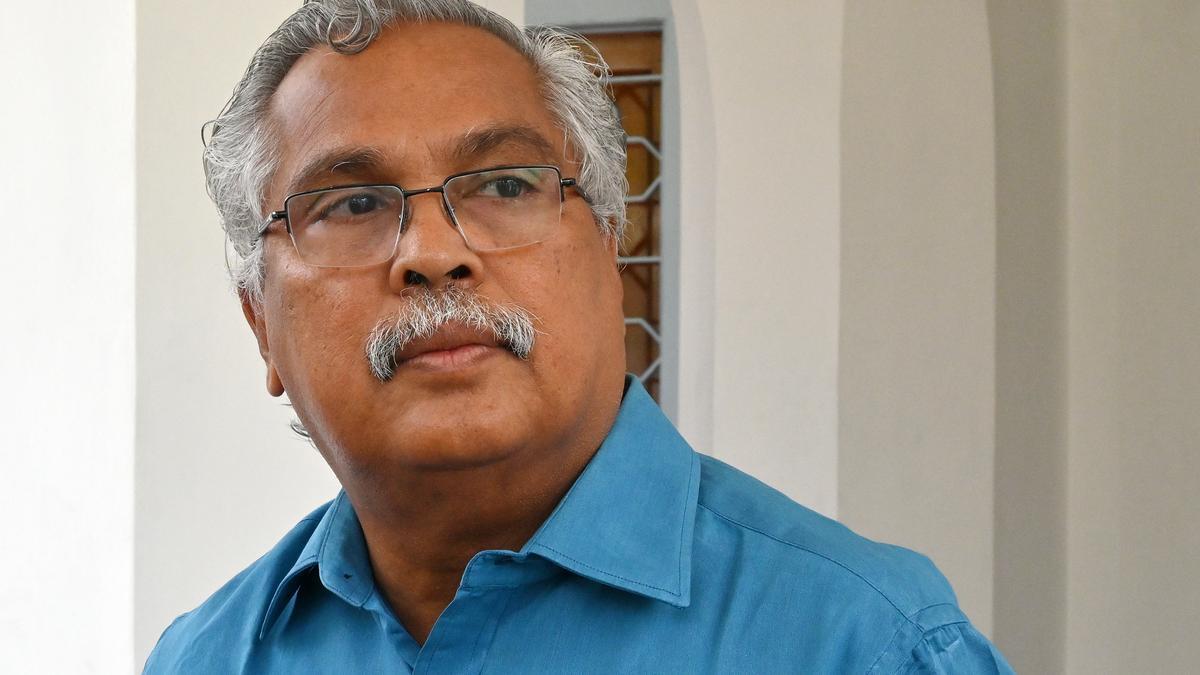
Binoy Viswam, a senior leader of the Communist Party of India (CPI), recently shared his views on the upcoming elections in Kerala. He clarified that his party has not officially turned away support from any group, including the Social Democratic Party of India (SDPI). Viswam stated that every vote is important and the party welcomes support from all voters. He also took the opportunity to dismiss rumors of a secret deal between the Left parties and the Bharatiya Janata Party (BJP), claiming instead that the real alliance exists between the BJP and the Congress party.
Main Impact
The statements made by Binoy Viswam have sparked a fresh debate in Kerala’s political circles. By saying that "all votes are welcome," the CPI leader is navigating a tricky path regarding the SDPI, a group that has often been at the center of controversy. This stance could change how different communities view the Left Democratic Front (LDF). Furthermore, his accusations against the Congress and BJP suggest that the election battle is becoming more intense, with each side accusing the other of making secret deals to win power.
Key Details
What Happened
During a recent interaction with the media, Binoy Viswam was asked about the party's position on receiving votes from the SDPI. The SDPI is the political wing of the Popular Front of India (PFI), a group that the central government has banned. Viswam explained that while the party has its own ideology, it does not tell specific groups of voters that their support is unwanted. He emphasized that in a democracy, the goal is to get as many votes as possible to win.
At the same time, Viswam addressed the ongoing talk about political "deals." In Kerala, the Congress party has often claimed that the CPI(M) and the BJP have a hidden agreement to help each other. Viswam strongly denied this. He argued that the Congress and the BJP are actually working together behind the scenes to weaken the Left. He suggested that their public rivalry is just a show to confuse the voters.
Important Numbers and Facts
Kerala has 20 Lok Sabha seats, and the competition is usually between the LDF and the Congress-led United Democratic Front (UDF). In the previous elections, the UDF won 19 out of the 20 seats, leaving the LDF with only one. This time, the Left is working hard to regain its ground. The SDPI recently announced that it would support the UDF in this election, which led to questions for the LDF about whether they would also seek or accept such support. Viswam’s comments serve as the official response to these questions, confirming that they will not reject any votes cast in their favor.
Background and Context
To understand why this matters, one must look at the unique political environment of Kerala. For decades, power has shifted between the Left and the Congress. The BJP has been trying to become a major player in the state but has struggled to win seats. Because the margins of victory can be very small, the support of smaller parties or community-based groups like the SDPI can be very important.
The SDPI is often criticized by both the Left and the Right for its hardline views. However, because they have a dedicated following in certain areas, their votes can decide the winner in close contests. This puts major parties in a difficult spot: they want the votes, but they do not want to be seen as being too close to a controversial group. Viswam’s approach is to focus on the act of voting rather than a formal political alliance.
Public or Industry Reaction
The reaction to Viswam’s comments has been mixed. Leaders from the Congress party have used his statement to claim that the Left is desperate for power and willing to accept help from anyone. They argue that the Left is being hypocritical by not clearly distancing itself from the SDPI. On the other hand, some political experts believe Viswam is simply being practical. They say that in a tight race, no politician can afford to tell a group of citizens not to vote for them.
The BJP has also weighed in, using the situation to attack both the Congress and the Left. They claim that both parties are competing for the support of radical groups, which they say is a threat to the state's safety. This back-and-forth has made the "SDPI vote" one of the most talked-about topics in the current election cycle.
What This Means Going Forward
As the election date gets closer, the focus on these small-group alliances will likely grow. The LDF will have to keep explaining its position to ensure it does not lose support from secular voters who might be wary of the SDPI. Meanwhile, the Congress will have to defend itself against Viswam’s claims of a secret deal with the BJP. If the voters believe there is a hidden alliance, it could change the way they cast their ballots.
The outcome of this election will show whether the Left's strategy of "welcoming all votes" was successful or if it gave their opponents too much fuel for criticism. It will also test whether the BJP can finally make a breakthrough by highlighting the alleged connections between their rivals and controversial organizations.
Final Take
Binoy Viswam’s comments highlight the complicated reality of modern politics. While parties have clear public goals, the need to win often leads to flexible strategies regarding voter support. By refusing to reject any votes, the CPI is prioritizing a win at the polls while trying to stay clear of formal alliances that could damage its reputation. The coming weeks will reveal if this balanced approach helps the Left regain its strength in Kerala.
Frequently Asked Questions
What did Binoy Viswam say about SDPI votes?
He stated that the party has not rejected any votes and that all votes are welcome in a democracy, regardless of who they come from.
What is the "secret deal" allegation mentioned in the news?
The Congress claims there is a deal between the Left and the BJP. However, Binoy Viswam claims the real secret deal is between the Congress and the BJP to defeat the Left.
Why is the SDPI's support controversial?
The SDPI is the political wing of the PFI, a group that has been banned by the government. This makes any association with them a sensitive issue for major political parties.



