
Summary
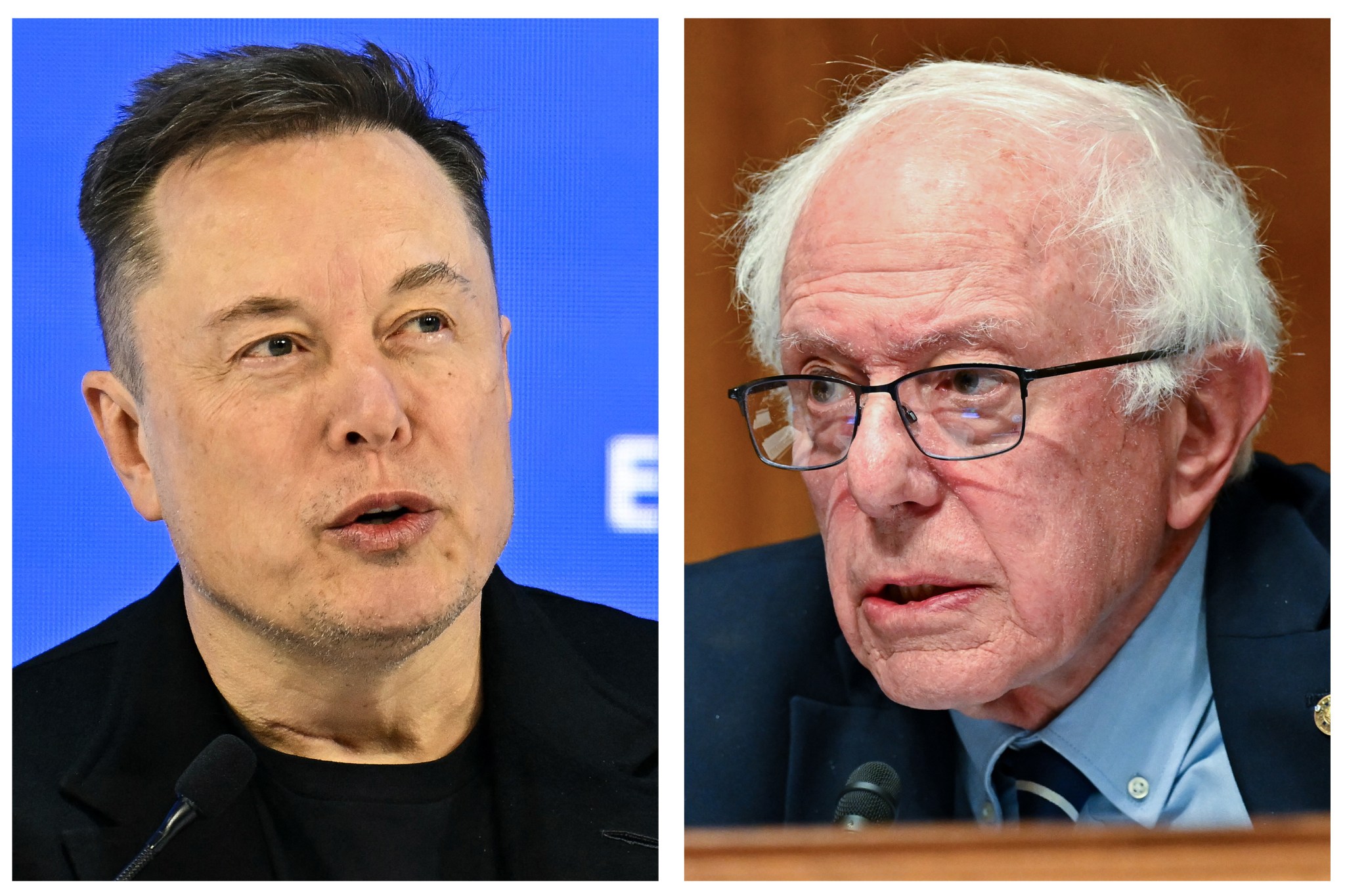
Elon Musk and Senator Bernie Sanders are currently debating how the United States should tax its wealthiest citizens. While Musk argues that even taking all the money from billionaires would not fix the country's massive debt, Sanders believes a small tax could provide significant relief to working families. The disagreement highlights two very different views on the purpose of taxes: paying down national debt versus funding social programs and direct payments to citizens.
Main Impact
The core of this debate centers on a new legislative proposal called the "Make Billionaires Pay Their Fair Share Act." If passed, this law would change the lives of millions of Americans by sending out one-time checks and increasing funding for schools and healthcare. However, it also brings up a serious concern about the national debt, which is growing at a rate that some experts find alarming. The outcome of this debate could decide whether the government focuses on balancing its books or providing immediate financial help to the middle class.
Key Details
What Happened
Senator Bernie Sanders and Representative Ro Khanna recently introduced a plan to place a 5% annual tax on anyone with a net worth of $1 billion or more. According to their research, there are only 938 billionaires in the United States. Together, these individuals own about $8.2 trillion in wealth. Sanders argues that taking a small portion of this wealth every year could generate $4.4 trillion over the next decade.
Elon Musk, the world's richest person, has a different perspective. He pointed out on social media that even if the government took 100% of what billionaires own, it would not be enough to pay off the national debt. Musk believes that the government spends too much money and that eventually, everyone will have to pay higher taxes to cover the bills.
Important Numbers and Facts
- National Debt: The U.S. national debt is currently approaching $39 trillion.
- Interest Payments: The government spends nearly $1 trillion every year just to pay the interest on the money it has already borrowed.
- The $3,000 Check: Under the Sanders plan, the money collected in the first year would be used to send a $3,000 check to every household earning $150,000 or less. This covers about 74% of the country.
- Social Funding: The tax would also be used to set a $60,000 minimum salary for teachers and limit childcare costs to 7% of a family's income.
Background and Context
The United States has been struggling with a growing debt problem for many years. The debt has increased by more than $11 trillion in just the last five years. Because the debt is so high, the interest payments alone are now more expensive than some major government programs, like Medicare. This has led to a heated debate in Washington about how to handle the country's finances.
At the same time, many Americans are struggling with the cost of living. Prices for food, housing, and healthcare have gone up, making it hard for middle-class families to save money. This "affordability crisis" is what Senator Sanders is trying to solve. He believes that the gap between the very rich and everyone else has become too wide and that the tax system should be used to close that gap.
Public or Industry Reaction
Elon Musk has been very vocal about his fears regarding government spending. He has warned that the United States is on a path toward bankruptcy if it does not stop borrowing so much money. He suggests that the focus should be on cutting costs rather than finding new ways to tax people. Many business leaders agree with Musk, fearing that high taxes on wealth could hurt investment and economic growth.
On the other side, many labor unions and social advocacy groups support the Sanders plan. They argue that billionaires have seen their wealth grow significantly while wages for average workers have stayed mostly the same. For these groups, the $3,000 check is seen as a fair way to help families who are struggling to keep up with inflation.
What This Means Going Forward
The debate between Musk and Sanders shows a clear split in how leaders think about the economy. In the coming months, we can expect more discussions about the national debt and tax fairness. If the debt continues to grow, the government may be forced to make difficult choices about which programs to cut or whose taxes to raise.
If the "Make Billionaires Pay Their Fair Share Act" gains more support, it could become a major topic in future elections. For now, the proposal serves as a reminder that there are two very different problems to solve: the government's massive debt and the financial struggles of everyday citizens. Solving one may not necessarily solve the other.
Final Take
The argument over taxing billionaires is about more than just money; it is about priorities. Elon Musk is focused on the long-term survival of the government's finances, while Bernie Sanders is focused on the immediate needs of the people. Both men use the same numbers to tell very different stories. Whether the solution is cutting spending or taxing the ultra-wealthy, it is clear that the current financial path of the country is a major concern for everyone involved.
Frequently Asked Questions
How many billionaires would be affected by this tax?
According to the proposal by Senator Sanders, there are 938 billionaires in the United States who would be required to pay the 5% wealth tax.
Who would receive the $3,000 check?
The plan suggests that any household earning $150,000 or less per year would receive a one-time payment of $3,000. This represents about 74% of all American households.
Would taxing billionaires pay off the national debt?
No. Even if the government took all the wealth from every billionaire in the country, it would only cover about one-fifth of the $39 trillion national debt. The tax is intended to fund social programs rather than eliminate the debt.



