
Summary
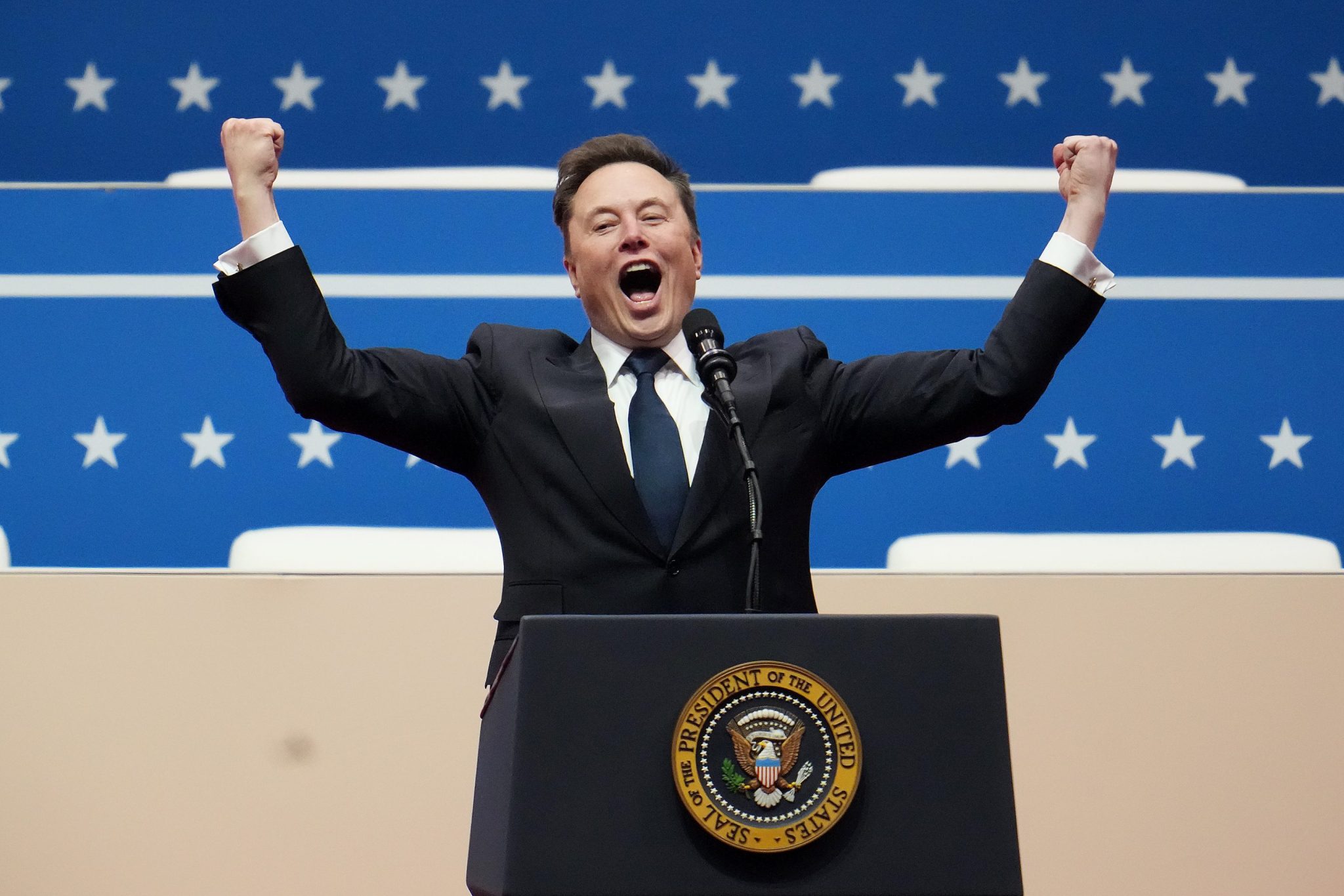
Many of the world's wealthiest people have promised to give away the majority of their fortunes to help others. However, recent data shows that very few have actually followed through on these public commitments. Elon Musk, currently the richest person in the world, recently stated that giving money away effectively is much harder than people think. Liz Baker, a leader in the nonprofit world, agrees with Musk and explains that responsible giving requires much more than just writing a large check.
Main Impact
The gap between making a promise and taking action highlights a major challenge in global charity. While hundreds of billionaires have signed "The Giving Pledge," the actual flow of money to those in need is much slower than expected. This delay means that many urgent global problems remain unfunded despite the massive wealth held by a small number of individuals. The situation suggests that the world cannot simply wait for billionaires to solve every crisis, as the process of giving away billions is slow and filled with obstacles.
Key Details
What Happened
Liz Baker is the CEO of Greater Good Charities, an organization that has managed over $1 billion in aid across more than 120 countries. She recently spoke about why so many billionaires struggle to give away their money. Baker noted that when someone gives a large amount of money, they have a massive responsibility to ensure it does not cause more harm than good. For example, giving too much money to a small community without a plan can make that community dependent on outside help rather than helping them become self-sufficient.
She also pointed out that philanthropy is different from buying a product. When you buy something, you see the result immediately. In charity, you are funding a vision for the future, and it can take years to see if the plan actually worked. This uncertainty makes many wealthy donors hesitate or move slowly.
Important Numbers and Facts
The Giving Pledge was started in 2010 by Bill Gates, Melinda French Gates, and Warren Buffett. It asks the ultra-wealthy to give away at least 50% of their wealth. Since it began, more than 250 billionaires have signed the pledge. However, reports show that fewer than 10 of these individuals have actually met that goal so far. Most of the signatories plan to give the money away only after they pass away. In the United States, John and Laura Arnold are noted as one of the only couples to fully comply with the pledge while still living.
Background and Context
Philanthropy is often viewed as a simple act of generosity, but at the highest levels, it functions like a complex business. Donors must navigate political issues, local laws, and social challenges in different countries. There is also the risk of "dependency," where a community stops developing its own resources because it relies entirely on donations. Because of these risks, many donors spend years researching where to put their money, which slows down the actual impact.
Elon Musk brought this issue to light when he mentioned that giving for the "reality of goodness" is difficult. He argued that it is easy to give money away, but it is hard to ensure that the money actually fixes the problem it was intended to solve. Baker’s support of this view shows that even professional charity workers find the process to be a constant struggle of trial and error.
Public or Industry Reaction
The reaction to these statements has been mixed. Some critics argue that billionaires use the "it's hard" excuse to keep their wealth for longer. They believe that with so much money, these individuals could hire the best experts to solve these logistical problems quickly. On the other hand, people within the nonprofit industry, like Baker, emphasize that throwing money at a problem without a careful strategy often leads to waste. Baker’s own organization holds top ratings for transparency, suggesting that while giving is difficult, it can be done successfully if the donor is willing to be honest about what works and what fails.
What This Means Going Forward
The slow pace of billionaire giving suggests that society should look for other ways to drive change. Baker encourages everyday people to take action in their own communities rather than waiting for a massive donation from a famous billionaire. Even though many families are currently struggling with the high cost of living, she believes that "chipping in" does not always require money. Giving time, skills, or labor to a local cause can be just as effective as a cash donation.
The future of charity may rely more on "micro-philanthropy," where many people give small amounts or volunteer their time. This approach creates immediate results in local neighborhoods and reduces the pressure on a few wealthy individuals to fix everything. It also encourages people to stop complaining about social issues and start innovating solutions themselves.
Final Take
Giving away a fortune is not as simple as it sounds on paper. It requires a deep understanding of human needs and a willingness to test different ideas. While the world's billionaires continue to navigate the difficulties of large-scale giving, the most immediate impact often comes from regular people who decide to help their neighbors today. Real change happens when everyone contributes what they can, whether it is a billion dollars or a single hour of work.
Frequently Asked Questions
Why is it so hard for billionaires to give away money?
It is difficult because large donations can cause unintended problems, such as making communities dependent on aid. Donors also have to deal with complex laws in different countries and ensure the money is actually solving the problem instead of being wasted.
What is The Giving Pledge?
The Giving Pledge is a commitment created by Bill Gates and Warren Buffett. It asks the world's wealthiest people to dedicate the majority of their wealth to charitable causes, either during their lifetime or in their wills.
How can regular people help if they don't have much money?
Charity experts suggest that giving time is just as valuable as giving money. Volunteering for one hour a week at a local nonprofit or using your professional skills to help a community project can make a significant difference.



