
Summary
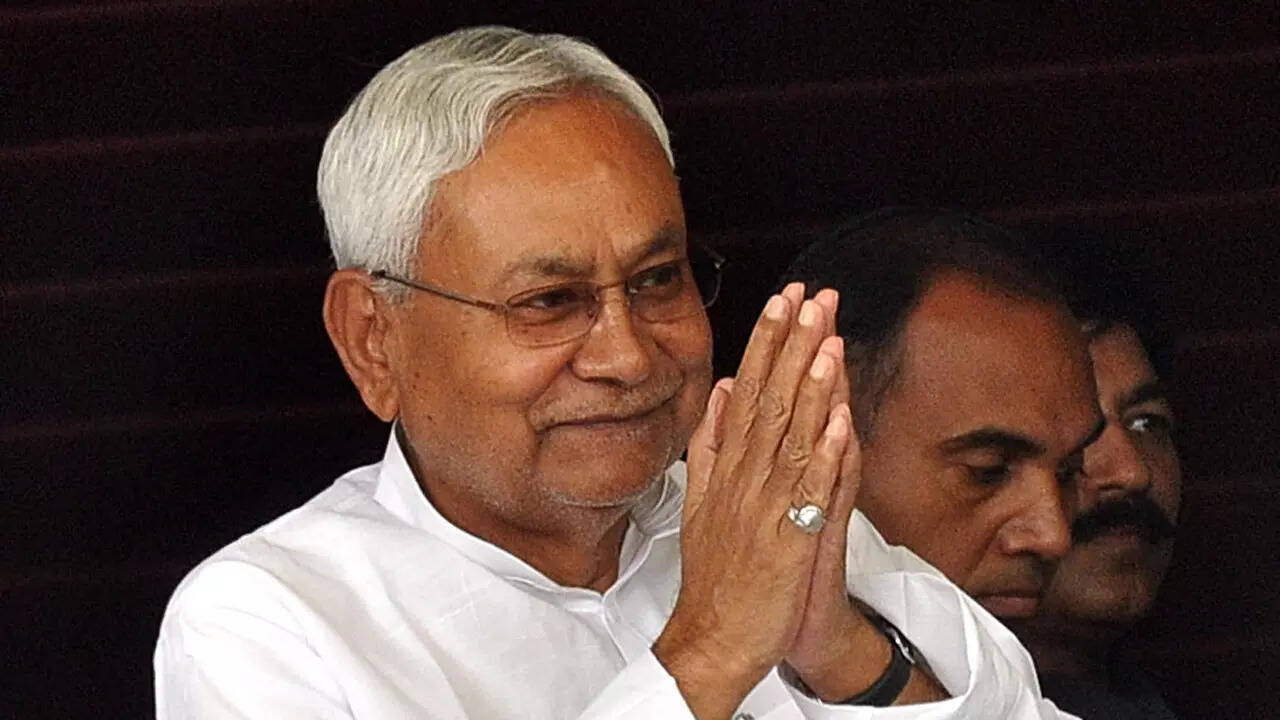
Bihar is witnessing a major change in its political leadership as Nitish Kumar moves away from the center of power. For over twenty years, he was the most important figure in the state, but his influence has started to fade. The Bharatiya Janata Party (BJP) has now taken the lead, marking the start of a new era in Bihar politics. This shift is important because it shows a move from local party dominance to a national party taking control of the state's future.
Main Impact
The biggest impact of this change is that the BJP is no longer a junior partner in Bihar. For a long time, the party followed the lead of Nitish Kumar and his party, the JD(U). Now, the roles have reversed. The BJP is making the main decisions regarding policy, government roles, and future election plans. This change affects how Bihar talks to the central government and how local laws are made. It also signals that the era of regional "strongmen" in Bihar is coming to an end.
Key Details
What Happened
The decline of Nitish Kumar’s power did not happen overnight. It was the result of several years of political moves that confused many voters. Nitish Kumar is famous for switching sides between the BJP and the RJD. While these moves helped him stay as Chief Minister, they weakened his party's base. In recent elections, his party won fewer seats, while the BJP maintained a strong following. This gave the BJP the power to demand more control in the state government.
Important Numbers and Facts
In the most recent state and national elections, the gap between the BJP and the JD(U) became clear. The BJP emerged as the party with the most support among the alliance partners. Data shows that the JD(U) has struggled to keep its hold on certain groups of voters that it once controlled easily. Furthermore, the BJP has built a very strong network of workers at the village level, which has helped them grow while the JD(U) stayed focused only on its top leader.
Background and Context
Nitish Kumar first became the Chief Minister of Bihar in 2005. At that time, people called him "Sushasan Babu," which means the man of good governance. He was praised for improving the state's roads, schools, and safety. He also created special programs for women and lower-income groups. However, over the last few years, the focus shifted from his work to his political survival. His frequent "U-turns" or changes in alliance made it hard for people to know where he stood. This allowed the BJP to step in as a more stable and powerful option for voters who wanted a strong government.
Public or Industry Reaction
The reaction in Bihar is mixed but points toward a desire for something new. Many younger voters feel that the old style of politics, which focused heavily on local leaders and caste, is not helping them find jobs. They see the BJP as a party that can bring more investment from the central government. On the other hand, supporters of Nitish Kumar feel sad to see his influence drop, as they believe he brought peace to the state after years of trouble. Political experts note that the opposition, led by the RJD, is also watching closely to see if they can win over voters who are unhappy with the current changes.
What This Means Going Forward
Looking ahead, the BJP will likely try to appoint its own Chief Minister in the next election. This would be a historic moment, as the party has never held the top post in Bihar on its own. For the JD(U), the future is uncertain. The party has always relied on the personality of Nitish Kumar, and there is no clear person to take his place. This could lead to the party becoming even smaller or merging with a larger group. The state will also see a shift in focus toward national issues, such as large infrastructure projects and digital growth, which are key parts of the BJP's national plan.
Final Take
The exit of Nitish Kumar from the main stage marks a turning point for Bihar. While he will be remembered for changing the state in the early 2000s, the current political climate demands a different kind of leadership. The rise of the BJP shows that Bihar is ready to move into a new phase where national parties play a bigger role in local governance. The next few years will show if this change brings the growth and stability that the people of Bihar are looking for.
Frequently Asked Questions
Why is Nitish Kumar losing his power in Bihar?
Nitish Kumar's power has decreased because his party won fewer seats in recent elections and because he switched political alliances many times, which led to a loss of trust among some voters.
Who is taking over the leadership in Bihar?
The Bharatiya Janata Party (BJP) has become the dominant force in the state government, taking over the lead role from Nitish Kumar's JD(U) party.
What was Nitish Kumar known for during his time as Chief Minister?
He was known for "Sushasan" or good governance, specifically for improving the state's infrastructure, education, and safety during his early years in office.



