
Summary
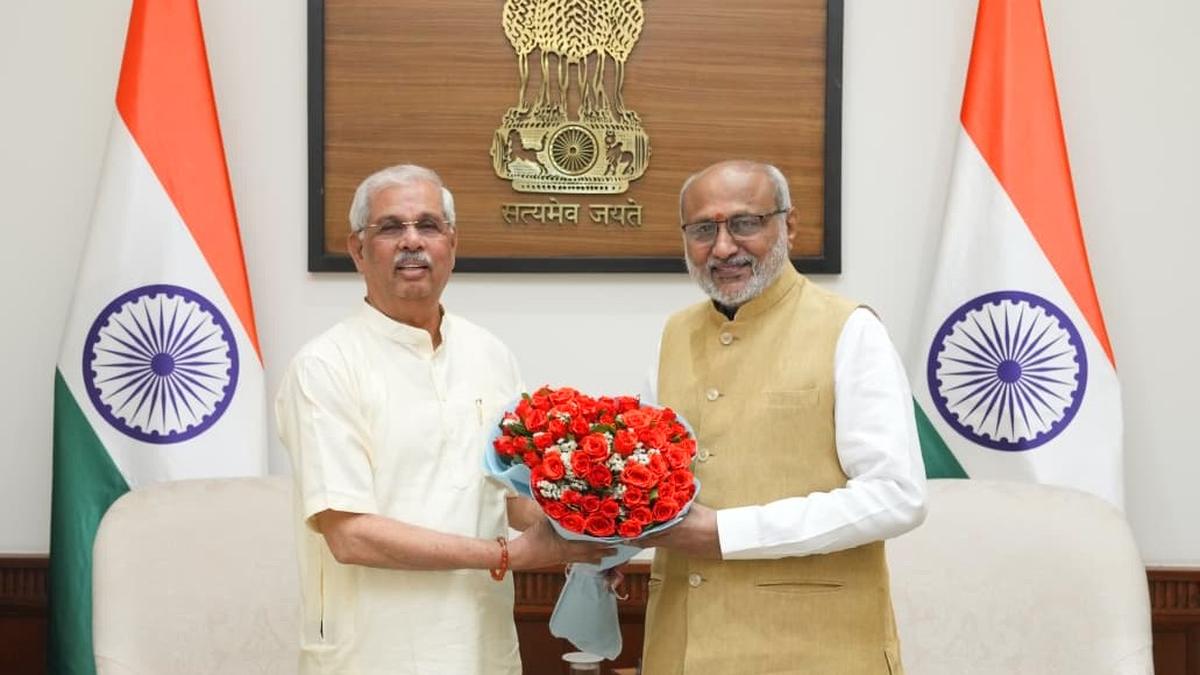
Bihar Governor Rajendra Arlekar recently met with Vice-President Jagdeep Dhankhar in New Delhi. This meeting was a formal visit, often called a courtesy call, which is common among high-ranking government officials. Such meetings are important because they allow state leaders to share updates with the central government and discuss the welfare of the people. By keeping these lines of communication open, the state and federal governments can work together more effectively on important issues like education and local administration.
Main Impact
The primary impact of this meeting is the strengthening of the relationship between the state of Bihar and the central government. When a Governor meets the Vice-President, it ensures that the concerns of the state are heard at the highest levels of power. This coordination is vital for the smooth running of government programs. It also helps in aligning state goals with national policies, especially in areas where the central government provides funding or guidance. For the people of Bihar, this means their state leader is actively engaging with national leaders to support the state's growth and stability.
Key Details
What Happened
Governor Rajendra Arlekar traveled to the national capital to meet Vice-President Jagdeep Dhankhar at his official residence. During the visit, the two leaders spent time discussing various matters related to the state of Bihar. While the meeting was officially described as a courtesy call, these sessions often involve informal talks about the social and economic conditions of the state. The Governor, who serves as the constitutional head of the state, acts as a bridge between the state government and the President of India. Meeting the Vice-President, who also leads the upper house of Parliament, is a key part of this role.
Important Numbers and Facts
Rajendra Arlekar has been serving as the Governor of Bihar since early 2023. Before this role, he served as the Governor of Himachal Pradesh and was a prominent leader in Goa. The Vice-President, Jagdeep Dhankhar, took office in August 2022. These meetings are part of a long-standing tradition in Indian politics where Governors visit the President and Vice-President at least once or twice a year. Bihar is one of India's most populous states, with over 120 million people, making the Governor's reports on state affairs very significant for national planning.
Background and Context
To understand why this meeting matters, it is helpful to know the roles of these two officials. In India, the Governor is appointed by the President to oversee a state. They make sure the state government follows the rules of the Constitution. The Vice-President is the second-highest constitutional office in the country. He also serves as the Chairman of the Rajya Sabha, which is the house of Parliament that represents the states. Because of these roles, a meeting between a Governor and the Vice-President is a meeting between two people who care deeply about how states are managed. In recent months, Governor Arlekar has been very focused on improving the higher education system in Bihar, including making sure university exams are held on time. It is likely that these efforts were mentioned during his talk with the Vice-President.
Public or Industry Reaction
The public generally views these meetings as a sign of a healthy democracy. Political experts note that Governor Arlekar is known for being very active and hands-on. His decision to maintain regular contact with central leaders is seen as a positive step for Bihar’s administrative health. Within the education sector, many hope that these high-level talks will lead to more support for Bihar’s universities. There has been no negative pushback regarding the visit, as it follows the standard protocol expected of a state Governor. Most observers see it as a routine but necessary part of official duties that helps maintain balance between different levels of government.
What This Means Going Forward
Looking ahead, this visit suggests that the Governor will continue to play an active role in Bihar’s development. We can expect more focus on streamlining state processes and ensuring that central schemes are implemented well in the state. The information shared during this meeting might also influence how the central government views Bihar’s needs in the coming months. If the Governor highlighted specific challenges, such as infrastructure or school reforms, those areas might see more attention from national agencies. These interactions help prevent misunderstandings between the state and the center, leading to more stable governance for the millions of citizens living in Bihar.
Final Take
The meeting between Governor Rajendra Arlekar and Vice-President Jagdeep Dhankhar is a clear example of how the Indian government stays connected. While it may seem like a simple formal visit, it represents the vital link between state leadership and national oversight. By maintaining these professional ties, leaders ensure that the government remains focused on serving the public. This visit highlights the ongoing commitment of Bihar’s leadership to stay engaged with the national government for the benefit of the state’s future.
Frequently Asked Questions
Why does a Governor meet the Vice-President?
A Governor meets the Vice-President as a matter of protocol and to discuss state affairs. These meetings help the central government stay informed about what is happening in different states across the country.
Who is Rajendra Arlekar?
Rajendra Arlekar is the current Governor of Bihar. He is a veteran politician who previously served as the Governor of Himachal Pradesh and the Speaker of the Goa Legislative Assembly.
What is a "courtesy call" in government?
A courtesy call is a formal meeting where officials visit each other to show respect and maintain good working relationships. While they are formal, they also provide a chance to talk about important work topics in a less rigid setting.



