
Summary
Starting April 1, 2026, electricity consumers in Bihar will see a change in how their bills are calculated. The state is moving to a "Time of Day" (TOD) tariff system, which means the price of power will change depending on the hour. Using electricity during the evening will become more expensive, while daytime usage will be cheaper. This new rule aims to help the state manage high demand during peak hours and keep the power grid stable.
Main Impact
The biggest change will be felt by families and businesses that use a lot of power between 5 PM and 11 PM. During these six hours, electricity rates will increase. For regular households, the cost will go up by 10% above the normal rate. For shops and factories, the increase is even higher at 20%. This change is expected to increase monthly bills for millions of people, especially those who use air conditioners, heaters, or heavy machinery in the evening.
Key Details
What Happened
The Bihar Electricity Regulatory Commission (BERC) gave the green light to this new pricing plan. The proposal came from the state's two main power companies: North Bihar Power Distribution Company Limited and South Bihar Power Distribution Company Limited. Officials explained that the state often has to buy extra power from national exchanges when demand is high. Since prices on these exchanges go up when everyone wants power at the same time, the state decided to pass some of those costs to the consumers.
Important Numbers and Facts
The new pricing structure is divided into three main parts of the day:
- 9 AM to 5 PM (Solar Hours): This is the cheapest time to use power. Consumers will only pay 80% of the normal rate, getting a 20% discount.
- 5 PM to 11 PM (Peak Hours): This is the most expensive time. Domestic users pay 110% of the rate, and commercial users pay 120%.
- 11 PM to 9 AM (Off-Peak): During the night and early morning, the price stays at the standard 100% rate.
Bihar has about 2.21 crore electricity consumers. Out of these, around 87 lakh people will be affected by the new TOD system immediately. This includes anyone with a smart prepaid meter or those who have a heavy power connection of more than 10 kilowatts.
Background and Context
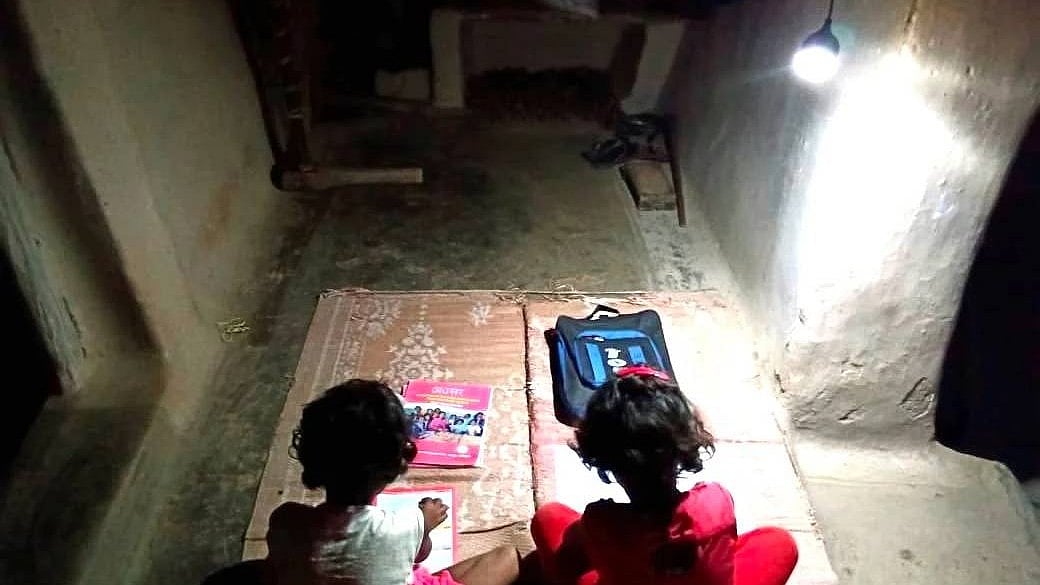
For a long time, most people in Bihar paid a flat rate for electricity regardless of when they used it. However, the demand for power is not the same throughout the day. In the evening, when people come home from work, they turn on lights, televisions, and kitchen appliances all at once. This puts a huge strain on the power grid. To meet this demand, power companies have to buy expensive electricity at the last minute.
The "Time of Day" system is a tool used to fix this problem. By making power cheaper during the day, the government wants to encourage people to do their heavy tasks—like pumping water or running washing machines—when the sun is out and solar power is available. This concept was first introduced by the Union government in 2020, and many other states like Uttar Pradesh, Gujarat, and Maharashtra have already started using it.
Public or Industry Reaction
The move has already sparked a debate. Political groups have criticized the decision, calling it a hidden price hike. They argue that most families cannot avoid using electricity in the evening because that is when they are at home. There are concerns that this will cancel out the benefits of the state's existing scheme that provides 125 units of free electricity to domestic users.
On the other hand, power experts say this is a necessary step for a modern energy system. They believe it will reduce the number of power cuts because the grid will not be overloaded in the evenings. Agricultural users are happy for now, as they have been kept out of this new pricing system to protect farming costs.
What This Means Going Forward
As more people get smart meters installed in their homes, the TOD system will eventually cover almost every consumer in Bihar. People will need to become more aware of the clock when using electricity. If a family can move their heavy power usage to the morning or afternoon, they might actually save money. However, for those who cannot change their habits, electricity will simply become a more expensive monthly expense.
The state government will likely monitor how much the demand shifts over the next few months. If the plan works, it could lead to a more reliable power supply with fewer unexpected outages during the hot summer months when demand is at its highest.
Final Take
The shift to Time of Day pricing marks a major change in how Bihar manages its energy. While it offers a discount for daytime use, the reality is that most people need power the most when it is now most expensive. Success for the average consumer will depend on their ability to adapt to these new timings. For the state, it is a gamble to see if higher prices can truly change how millions of people use energy every day.
Frequently Asked Questions
Will my electricity bill go up?
If you use most of your electricity between 5 PM and 11 PM, your bill will likely increase. However, if you move your heavy usage to the daytime (9 AM to 5 PM), you can take advantage of a 20% discount.
Does this apply to everyone in Bihar?
Initially, it applies to about 87 lakh consumers, specifically those with smart prepaid meters or high-load connections. Farmers are currently exempt from this new pricing system.
Why is the evening more expensive?
Demand for electricity peaks in the evening when everyone is at home. This forces power companies to buy expensive electricity from other sources. The higher price is meant to reduce this peak demand and keep the grid safe.

