
Summary
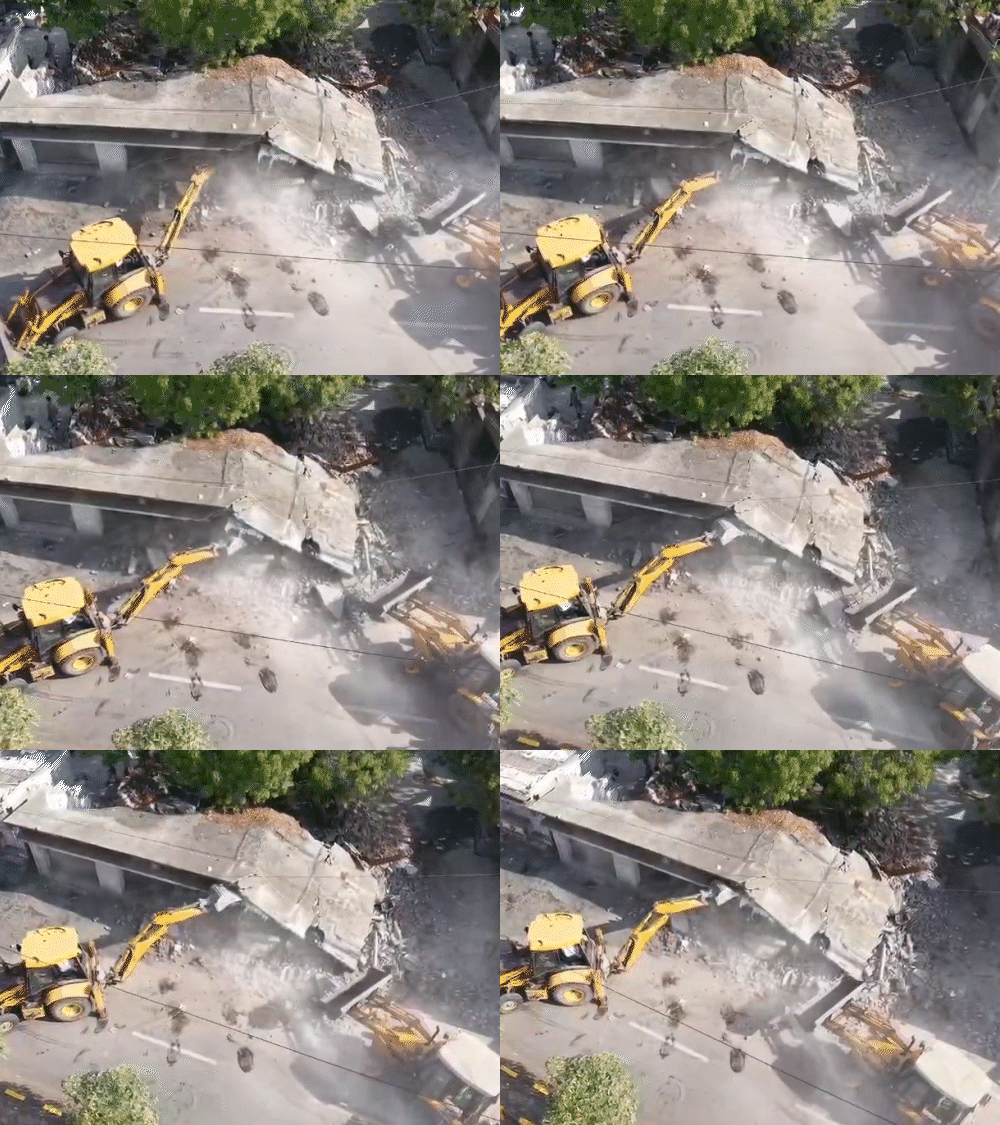
Authorities in Bhavnagar took a major step against local crime by destroying illegal buildings owned by known criminals. On the morning of March 23, 2026, police and city officials used heavy machinery to pull down houses and shops built on government land. The operation targeted four women involved in the illegal liquor trade and one man involved in violent crimes. This action cleared public land worth more than 1 crore rupees and sent a strong warning to others involved in illegal activities.
Main Impact
The primary impact of this demolition is the reclamation of valuable public space and the disruption of criminal networks. By removing the physical structures used by these individuals, the city has made it harder for them to operate. This move has created a sense of fear among local gangs and lawbreakers, showing that the government will use strict measures to stop crime. It also serves as a visual reminder to the public that illegal construction on government property will not be ignored.
Key Details
What Happened
The operation began early in the morning at around 8:00 AM. Led by Superintendent of Police (SP) Nitesh Pandey, a large team of over 200 police officers arrived in the Adodiya area of Bhavnagar. They brought four large JCB machines to tear down the illegal structures. The police first focused on the homes of four women who have been repeatedly caught selling illegal alcohol. After finishing in the Adodiya area, the team moved to the Prabhudas Talav area to remove buildings belonging to another criminal, Mohammad Zubair Sheikh.
The demolition was a coordinated effort. Along with the police, officials from the local municipal corporation, the electricity department (PGVCL), and the fire department were present. This ensured that power lines were safely disconnected and any emergencies could be handled immediately. While the buildings were being destroyed, some family members of the accused were seen crying, but the authorities continued the work to follow the law.
Important Numbers and Facts
The scale of the operation was significant. Here are the key figures from the day:
- Total Structures Removed: 21 illegal encroachments were cleared.
- Types of Buildings: This included 5 main houses, 14 shops, and 7 small rooms.
- Land Value: The cleared land is estimated to be worth over 1 crore rupees.
- Police Force: More than 200 officers from various departments, including the LCB and local police stations, provided security.
- Targeted Individuals: The main targets were Anjanaben Rathod, Minaben Rathod, Pritiben, Hiralben Parmar, and Mohammad Zubair Sheikh.
Background and Context
Bhavnagar has been dealing with a rise in criminal activities, particularly related to the sale of illegal liquor and physical assaults. In the state of Gujarat, there are strict laws against alcohol, making the "bootlegging" business a serious offense. Many of the individuals targeted in this raid were repeat offenders who had multiple cases filed against them. These criminals often build houses or shops on government-owned plots without permission, using these locations as bases for their illegal work. The city administration decided that simply arresting them was not enough, leading to the decision to remove their illegal properties.
Public or Industry Reaction
The reaction to the demolition has been mixed but intense. Among the criminal community, there is a clear sense of panic as they realize their properties are no longer safe. On the other hand, many law-abiding citizens feel that this is a necessary step to clean up the city. However, the scenes of families losing their homes caused some emotional distress in the neighborhoods. Local leaders have noted that while the action is harsh, it is a legal way to take back land that belongs to the public and the city government.
What This Means Going Forward
Moving forward, the Bhavnagar police have indicated that this is just the beginning. They plan to continue identifying illegal structures owned by people with long criminal records. This strategy aims to hit criminals financially and physically by taking away their places of business and residence. For the city, it means more land will be available for public use or official development. It also sets a precedent that the police will work closely with the municipal corporation to enforce both criminal and civil laws at the same time.
Final Take
The demolition drive in Bhavnagar shows a shift toward a much tougher style of policing. By destroying the illegal assets of bootleggers and violent offenders, the authorities are trying to break the cycle of crime in the city. While the immediate result is cleared land and broken buildings, the long-term goal is to make the streets safer for everyone. This event serves as a clear warning: those who break the law may lose more than just their freedom; they may also lose the roofs over their heads.
Frequently Asked Questions
Why were these specific houses targeted?
The houses belonged to individuals with long criminal records, specifically those involved in illegal liquor sales and physical violence. Additionally, these buildings were constructed illegally on government-owned land.
How much land was recovered during the drive?
The authorities cleared 21 different structures, including shops and rooms. The total value of the recovered land is estimated to be more than 1 crore rupees.
Which departments were involved in the operation?
The operation was a joint effort involving the Bhavnagar Police, the Municipal Corporation, the electricity department (PGVCL), and the local fire department.



