
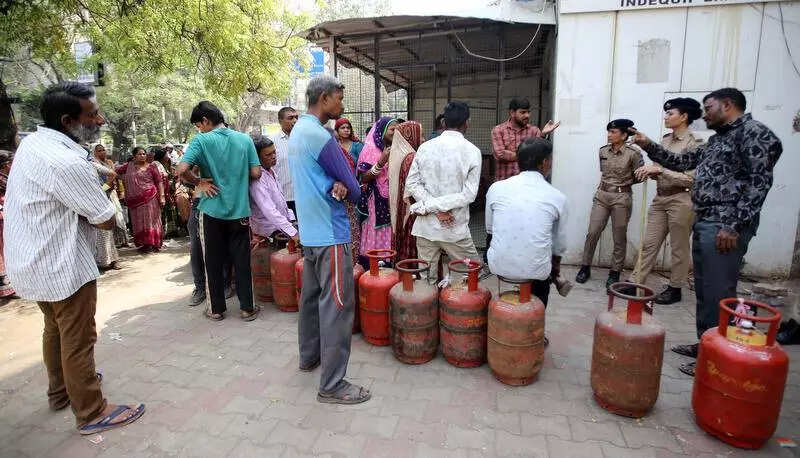
Summary
A major gas distribution agency in Bharuch is facing a serious investigation after nearly 1,000 cooking gas cylinders were reported missing. A total of 956 LPG cylinders could not be accounted for during a recent check of the agency’s stock. This discovery has sparked concerns about illegal sales and safety risks in the local area. Authorities are now looking into how such a large number of cylinders vanished without being noticed earlier.
Main Impact
The disappearance of 956 LPG cylinders has a direct impact on both the economy and public safety. Financially, this represents a loss of several lakhs of rupees for the gas company and the distributor. Beyond the money, there is a significant safety worry. When gas cylinders are moved outside of the official tracking system, they often end up in the black market. These cylinders may be stored in unsafe conditions or used by businesses that are not authorized to have them, increasing the risk of fires or explosions.
Key Details
What Happened
The issue came to light during a routine inspection or a stock audit at the gas agency located in the Bharuch district. Officials found that the physical number of cylinders present at the site did not match the numbers recorded in the official books. The gap was not small; almost a thousand units were simply gone. This suggests that the problem may have been growing over a long period rather than happening in a single night.
Important Numbers and Facts
The exact number of missing units is 956. In India, LPG cylinders are strictly regulated because they contain highly flammable gas. Each cylinder has a unique identification and is supposed to be tracked from the bottling plant to the consumer's home. The fact that nearly 1,000 units are missing suggests a major breakdown in the agency's management or deliberate foul play. Local police and officials from the food and civil supplies department are expected to join the investigation to trace where these cylinders went.
Background and Context
LPG, or Liquefied Petroleum Gas, is the primary fuel used for cooking in millions of Indian homes. Because the government provides subsidies on these cylinders to keep prices low for families, they are a valuable item. This high value often leads to "black marketing," where subsidized domestic cylinders are illegally sold to hotels, restaurants, or construction sites at a higher price.
Gas agencies are required to maintain strict records of every cylinder they receive and deliver. They must account for "empties" (cylinders returned by customers) and "fills" (full cylinders ready for delivery). When a large number of cylinders go missing, it usually points to a failure in this recording process or a planned theft involving people who have access to the storage area.
Public or Industry Reaction
The news has caused concern among local residents who rely on this agency for their daily cooking needs. Many fear that this discrepancy might lead to delays in their own gas deliveries or that the agency might face a temporary shutdown during the investigation. Industry experts say that such incidents hurt the reputation of oil marketing companies. They emphasize that digital tracking systems are in place to prevent this, but they only work if the staff at the local level follows the rules correctly. Local authorities have signaled that they will take strict action against anyone found guilty of diverting these essential goods.
What This Means Going Forward
In the coming weeks, the focus will be on the police investigation. They will likely check the agency’s delivery logs and interview the delivery staff to see if cylinders were sold "off the books." The gas agency could face heavy fines or even lose its license to distribute gas if it is found that the management was involved in the disappearance.
For the wider industry, this event may lead to more frequent and surprise inspections of gas godowns across the region. Oil companies may also introduce stricter digital verification, such as requiring a one-time password (OTP) for every single cylinder that leaves the warehouse, not just when it reaches the customer's door. This would make it much harder for cylinders to be moved illegally.
Final Take
The loss of 956 cylinders in Bharuch is a reminder of the challenges in managing essential supplies. It is not just a matter of missing inventory; it is a matter of public safety and law. Ensuring that every cylinder is accounted for is vital to prevent accidents and to make sure that subsidized fuel reaches the families who actually need it. The results of this investigation will be a clear signal to other agencies about the importance of following strict storage and delivery protocols.
Frequently Asked Questions
How can nearly 1,000 cylinders go missing?
This usually happens over time through poor record-keeping or illegal sales. Instead of delivering cylinders to registered customers, they may be sold to unauthorized buyers, and the records are then faked to hide the loss.
Is there a safety risk when cylinders go missing?
Yes. Missing cylinders are often stored in places that do not meet safety standards. They may also be used illegally in commercial kitchens without proper safety equipment, which can lead to dangerous gas leaks or fires.
What happens to a gas agency if they lose stock?
The agency can face criminal charges, heavy financial penalties, and the cancellation of its distribution license. The government and oil companies have a zero-tolerance policy for the diversion of subsidized cooking gas.



