
Summary
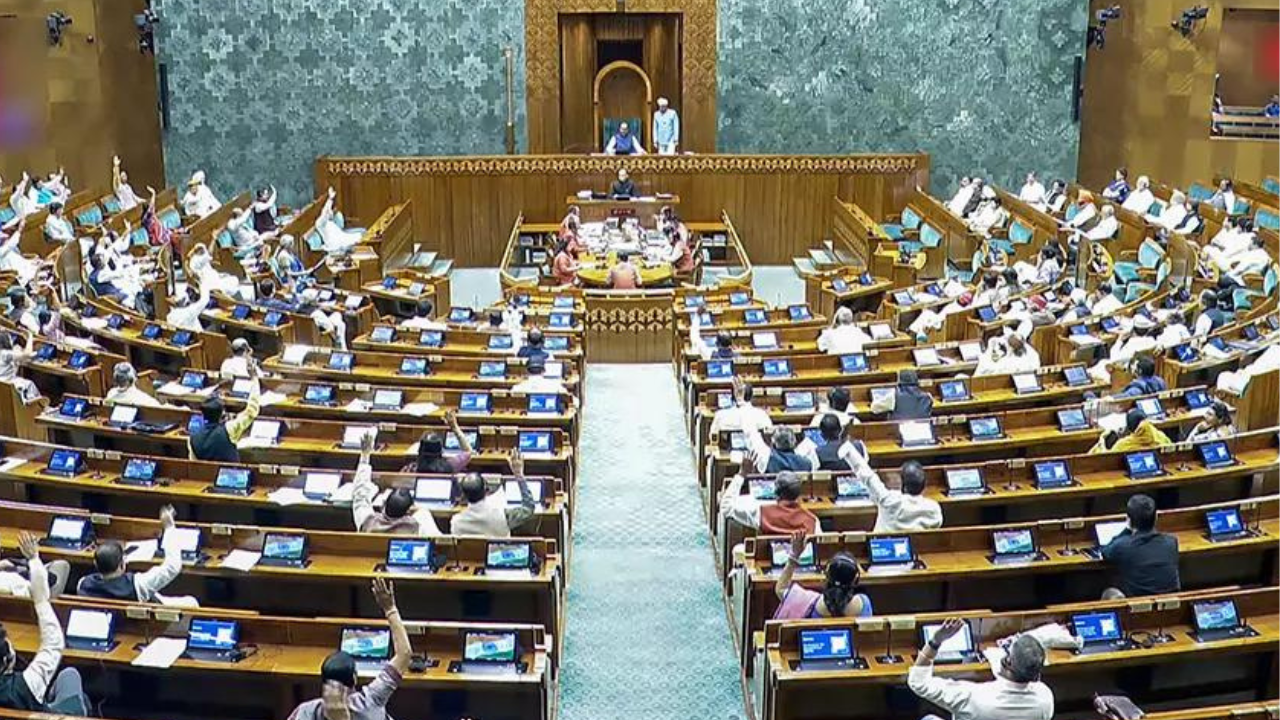
The Indian government recently shared an important update regarding the status of Bhagat Singh, Sukhdev, and Rajguru. During a session in the Lok Sabha, the government explained that the status of these three famous freedom fighters as martyrs does not depend on official government records. Their sacrifice is a well-known part of India's history and is deeply respected by the entire nation. This statement helps clarify why they might not be listed under a specific "martyr" category in certain government files, even though they are national heroes.
Main Impact
This announcement addresses a long-standing request from many citizens and groups who wanted the government to officially name these men as "Shaheed" or martyrs in all government documents. By stating that their status is not tied to official records, the government is saying that their bravery is bigger than any list or file. This move aims to show that the respect given to these heroes is permanent and does not need a formal certificate to be true. It also helps the government avoid complex legal debates about how to define the word "martyr" in official paperwork.
Key Details
What Happened
The issue came up when members of the Lok Sabha asked whether the government had officially recognized Bhagat Singh, Sukhdev, and Rajguru as martyrs. These three young men were executed by the British government on March 23, 1931, for their roles in the struggle for independence. For many years, people have felt that the lack of an official "martyr" title in government records was a sign of disrespect. However, the government clarified that the way history remembers them is more important than how a government department labels them. The Ministry of Home Affairs has often noted that there is no specific law or rule that allows them to officially grant the title of "martyr" to anyone, including those who died for freedom.
Important Numbers and Facts
Bhagat Singh, Sukhdev Thapar, and Shivaram Rajguru were all in their early 20s when they gave their lives for the country. They were hanged in the Lahore Jail. Every year, India observes March 23 as "Shaheed Diwas" to honor their memory. While the public uses the word "Shaheed" constantly, the government explained that this specific term is not part of the official language used in its record-keeping systems for freedom fighters. This is a technical detail that does not change how the government or the people view their massive contribution to India's freedom.
Background and Context
Bhagat Singh and his friends were part of a group that wanted to win India's freedom through bold actions. They were involved in the Lahore Conspiracy Case and the famous incident where they threw non-lethal bombs into the Central Legislative Assembly to protest against unfair British laws. Their goal was not to hurt people but to "make the deaf hear." Their arrest and later execution made them symbols of courage across the country. Over the decades, many families and historians have asked for a formal declaration of their status. They worry that without an official record, future generations might not understand the full weight of their sacrifice. The government’s current stance is that their story is already taught in schools and celebrated nationwide, which is the highest form of recognition possible.
Public or Industry Reaction
The reaction to this news has been mixed. Many people feel relieved that the government has openly acknowledged that these heroes do not need a piece of paper to be called martyrs. They believe that their place in the hearts of Indians is enough. On the other hand, some activists and family members of freedom fighters still feel that a formal record is necessary. They argue that if the government can have official lists for other things, it should also have a clear way to honor those who died for the nation's birth. Despite these different views, there is a general agreement that the bravery of Bhagat Singh, Sukhdev, and Rajguru remains a powerful source of inspiration for everyone in India.
What This Means Going Forward
In the future, it is unlikely that the government will create a new official list of martyrs. Instead, the focus will likely stay on memorial events, museums, and educational programs. By keeping their status outside of official "files," the government avoids the difficult task of deciding who else should be on such a list. This approach keeps the focus on the spirit of the freedom struggle rather than on legal definitions. Schools will continue to teach their stories, and national holidays will continue to honor them. The government's statement ensures that their legacy remains a matter of national pride that is shared by all citizens, regardless of what is written in a government ledger.
Final Take
The true value of a hero is measured by the impact they leave on the world, not by the titles found in a government office. Bhagat Singh, Sukhdev, and Rajguru changed the course of Indian history through their courage. While the debate over official titles may continue, the government has made it clear that their sacrifice is already written in the history of the nation. They are, and will always be, martyrs in the eyes of the people, and that is the most important record of all.
Frequently Asked Questions
Why doesn't the government officially call them martyrs?
The government says that the term "martyr" is not officially defined in its records or laws for freedom fighters. They prefer to honor them through history and national celebrations rather than through a technical label in a file.
When is Shaheed Diwas celebrated?
Shaheed Diwas is observed every year on March 23. This is the anniversary of the day in 1931 when Bhagat Singh, Sukhdev, and Rajguru were executed by the British.
Does this mean they are not considered heroes?
No, it means the opposite. The government believes their hero status is so high and well-known that it does not need to be proven or supported by an official government document.



